Solar-powered irrigation gains ground in Karnataka under PM‑KUSUM C
The government scheme is converting grid‑linked farm pumps to solar, giving Karnataka growers steady daytime power and cutting outages.
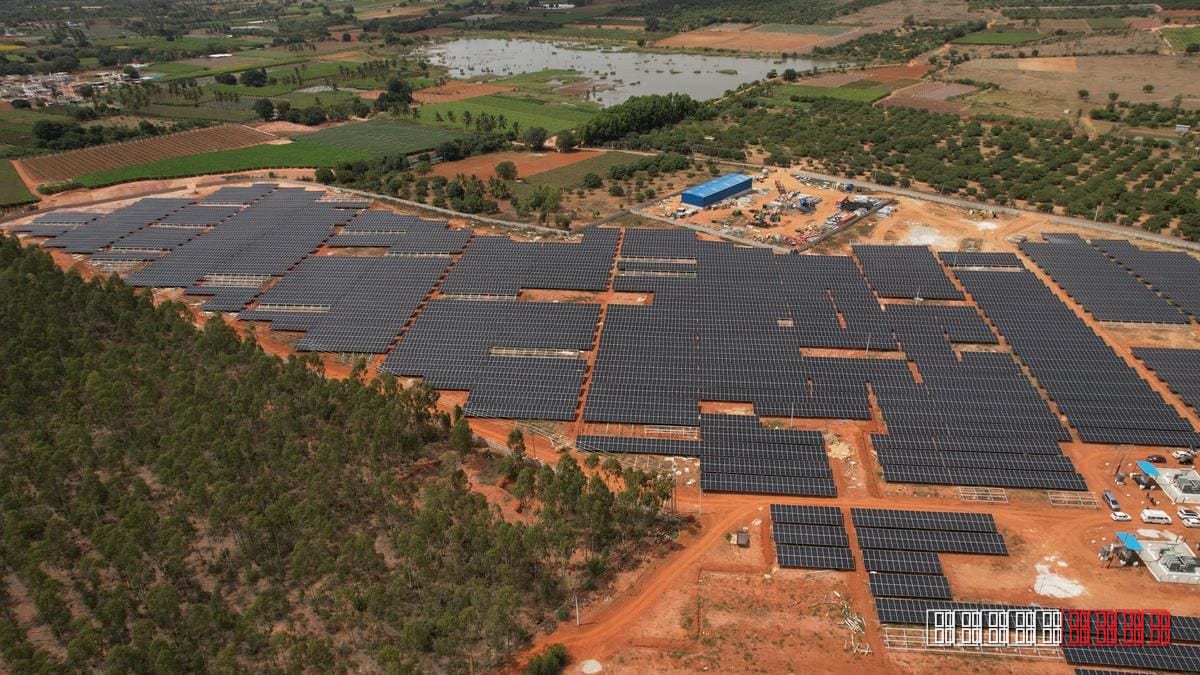
Karnataka has become a testing ground for the PM‑KUSUM C programme, a central government effort that equips existing agricultural water‑pumps with solar panels. According to The Hindu, the initiative “solarises” grid‑connected pumps, delivering reliable daytime electricity and eliminating power interruptions for farmers.
The rollout targets thousands of pump‑sets across the state, attaching rooftop photovoltaic modules to the existing infrastructure rather than replacing the whole system. By tapping sunlight, the pumps can operate throughout the day without relying on the grid’s variable supply, a boon in regions where load‑shedding is common.
The scheme is part of the larger Pradhan Mantri Kisan Urja Suraksha evam Utthaan Mahabhiyan (PM‑KUSUM), launched in 2019 to promote renewable energy in agriculture. Phase C, which focuses on solarising existing pumps, follows earlier phases that subsidised the purchase of new solar pump sets and encouraged farmers to install solar panels on their own land. Nationwide, the programme aims to install solar capacity of 30 GW by 2027, with a significant share earmarked for irrigation.
Karnataka’s agriculture sector, heavily dependent on groundwater extraction, stands to benefit from reduced electricity costs and lower carbon emissions. Farmers who adopt the solarised pumps can expect a steadier power supply during peak irrigation hours, potentially improving crop yields and reducing reliance on diesel generators. The state government has pledged financial assistance and streamlined approvals to accelerate adoption.
Experts note that while the technology is proven, scaling it requires addressing challenges such as upfront capital, maintenance of solar equipment, and ensuring that the grid‑connected pumps are compatible with the added panels. Successful implementation in Karnataka could serve as a model for other water‑stress states, demonstrating how renewable energy can be integrated into traditional farming practices.
The move aligns with India’s broader climate goals, aiming to increase the share of renewable energy in the power mix while supporting the rural economy. As more pump‑sets go solar, the cumulative reduction in grid load and emissions could contribute meaningfully to the nation’s net‑zero targets.
This report is based on original reporting by The Hindu. Read the original source →