South Korea blames US for scrapping planned marine drills amid Iran conflict
Seoul says Washington pulled the plug on a scheduled joint marine exercise, citing the ongoing war with Iran and a recent order to scale back other drills.
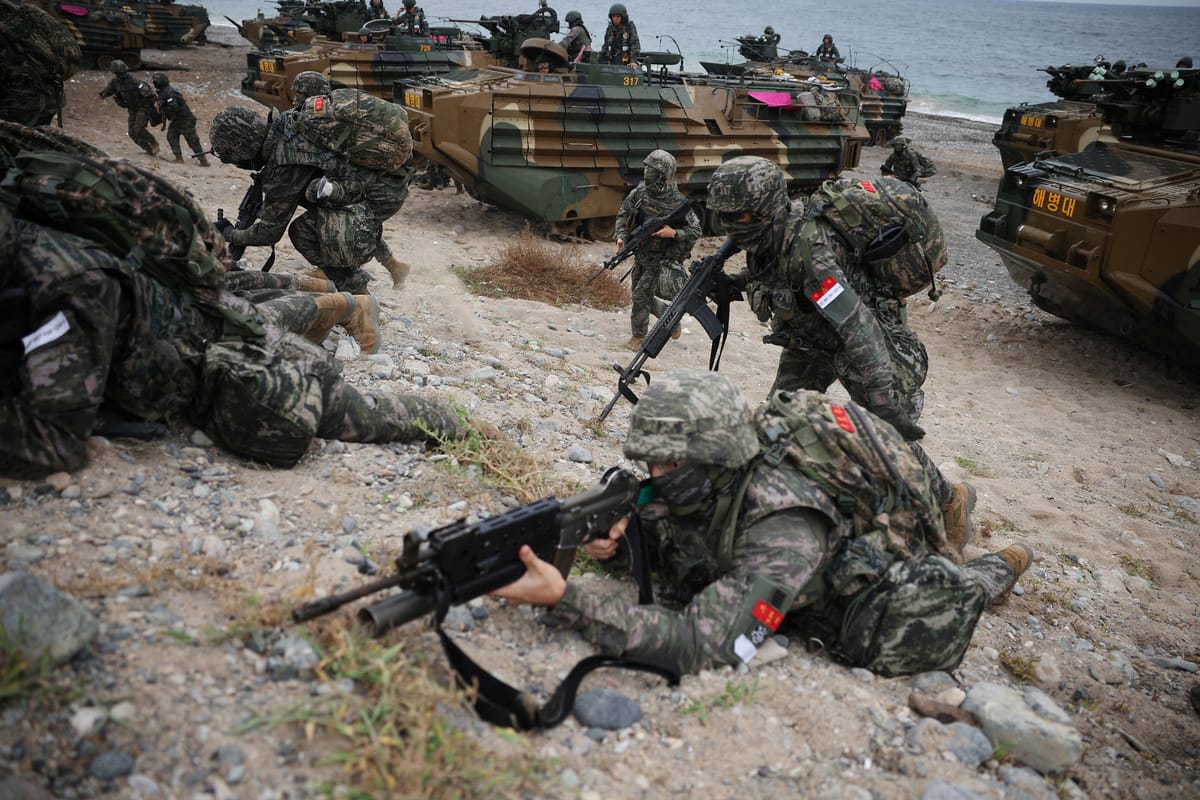
Seoul announced that the United States has cancelled a forthcoming joint marine exercise that was to be conducted by the two allies later this month. South Korean defence officials said the decision was taken in response to the intensifying war between Iran and its regional opponents, which has forced the United States to re‑allocate naval assets to the Middle East.
The cancellation follows a surprise directive issued last week by U.S. President Donald Trump, who ordered a reduction in the scope of a separate annual joint drill involving ground forces. That move, described by South Korean officials as “unanticipated,” raised concerns in Seoul about the reliability of the U.S. security umbrella in the Pacific.
Both countries have a long‑standing tradition of regular combined‑arms training, ranging from amphibious landings to anti‑submarine warfare. The scrapped marine exercise was expected to involve several hundred troops and a fleet of landing ships, providing a platform for interoperability and readiness in the face of North Korean provocations. Its abrupt termination, however, leaves a gap in the annual training calendar and has prompted Seoul to review contingency plans.
South Korean defence ministry spokesperson Kim Joon‑ho stressed that the decision does not alter the overall alliance framework, but called for clearer communication on future joint operations. "Our partnership remains strong, but sudden changes without prior consultation complicate our preparedness," he said.
Analysts note that the United States is currently juggling multiple security commitments, with the Iran war demanding significant naval and air resources. The shift may signal a broader recalibration of U.S. force posture, potentially affecting other regional exercises. For now, South Korea is exploring alternative training options, including bilateral drills with other partners, to maintain operational proficiency.
The episode underscores the delicate balance between global crisis response and regional alliance obligations, a dynamic that will likely shape future defence coordination between Washington and Seoul.