South Korea Reduces Joint War Drills After U.S. Request
Seoul trims the duration of combined exercises with American forces following a request from Washington and President Trump's recent remarks on North Korea.
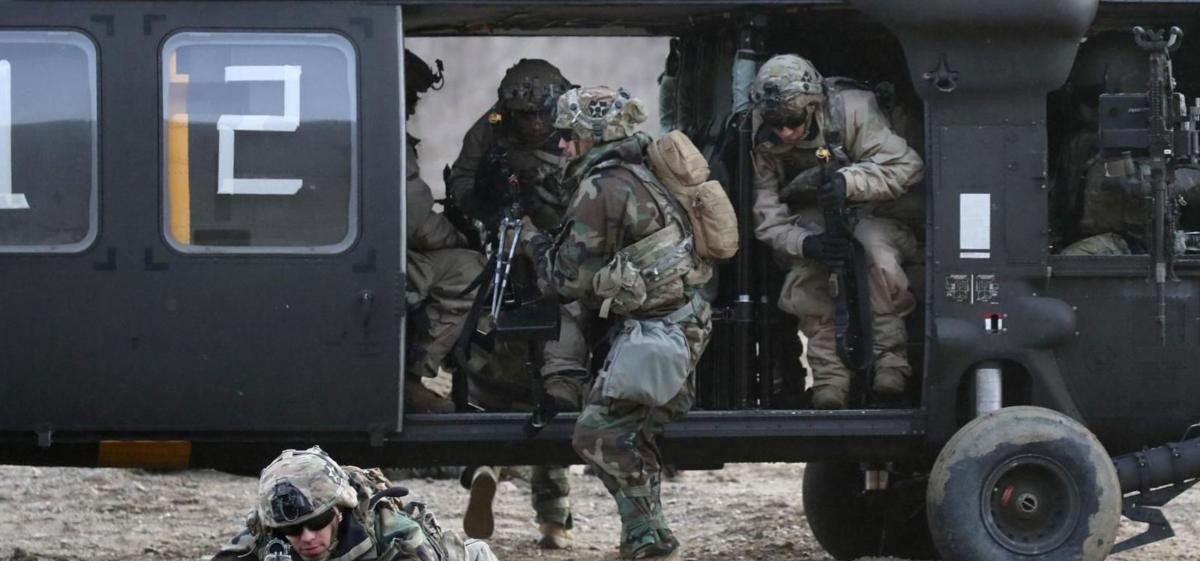
South Korea announced this week that it will shorten the upcoming joint war games with the United States, saying the adjustment follows a direct request from Washington. The decision marks a noticeable shift in the schedule of combined training that has long been a cornerstone of the U.S.–ROK security alliance.
The move comes shortly after President Donald Trump said the United States would scale back joint military exercises with Seoul, describing the relationship with North Korean leader Kim Jong Un as "very good" and suggesting that a reduced training footprint could support diplomatic progress. Trump’s remarks signaled a broader reassessment of the annual drills that North Korea routinely condemns as hostile.
Historically, the combined exercises have spanned several weeks and involve thousands of troops, air assets and naval units from both countries. By cutting the duration, South Korean officials aim to accommodate the U.S. request while maintaining the essential interoperability that the alliance depends on. The exact new timeline has not been disclosed, but the reduction is expected to be significant compared with previous iterations.
Analysts note that the scaling‑back could ease tensions on the Korean Peninsula, though it also raises questions about readiness and deterrence. North Korea has repeatedly used the drills as a pretext for missile tests and propaganda, so a shorter exercise may reduce the perceived provocation. At the same time, both Seoul and Washington stress that the core defensive capabilities of the alliance remain intact.
Looking ahead, the two governments say they will continue to coordinate closely on security matters, with the possibility of adjusting the scope of future drills based on diplomatic developments. The latest change underscores how geopolitical signals from the White House can directly influence operational planning on the ground in East Asia.