South Korea Tests Arctic Passage with First Container Vessel
The PanStar Acro departs for Europe via the newly ice‑free Arctic corridor, probing the commercial prospects of the emerging route.
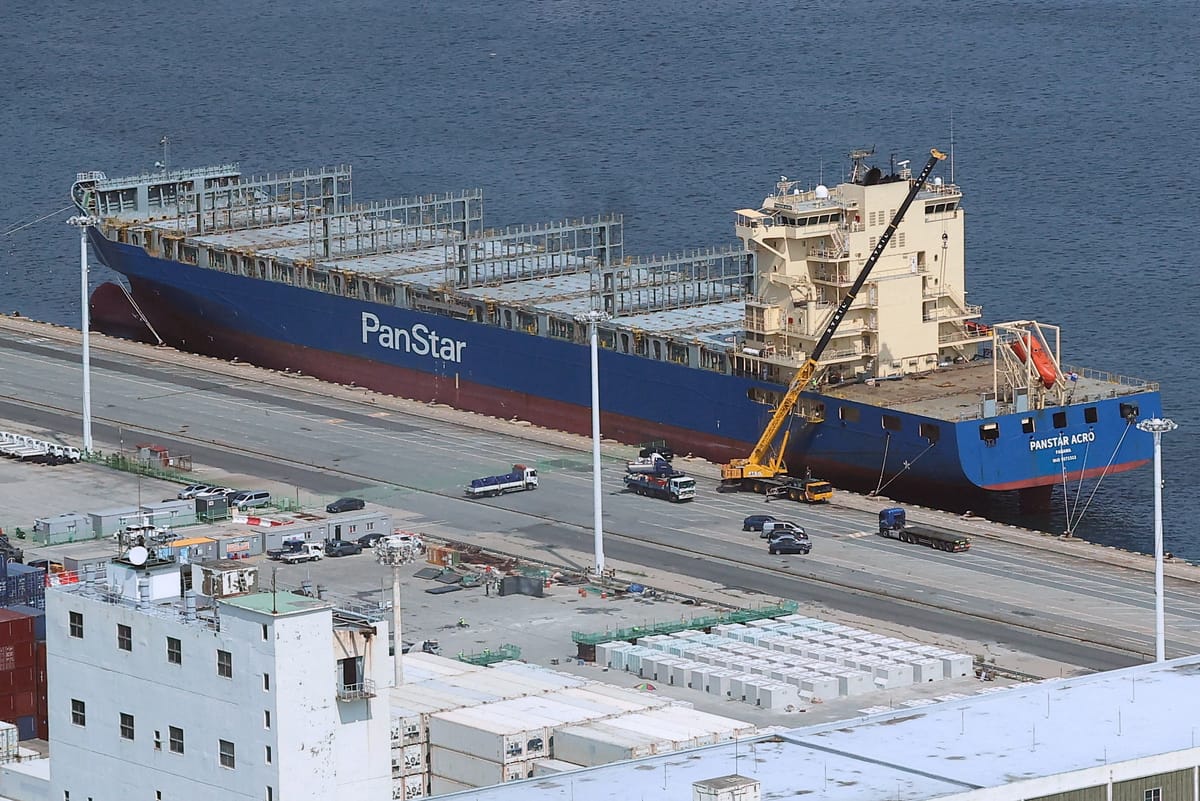
South Korea has launched its inaugural container ship through the Arctic, marking a milestone in the search for faster, lower‑cost links between Asia and Europe. The vessel, named PanStar Acro, set sail from Busan with a cargo destined for several European ports, navigating the high‑latitude waters that have become increasingly accessible as sea‑ice retreats.
The voyage is part of a broader effort by South Korean shipping firms to evaluate whether the Arctic corridor can compete with the traditional Suez Canal passage. By cutting several days off the journey, the route promises to reduce fuel consumption and emissions, but it also raises questions about reliability, ice‑breaker support and seasonal limitations. The PanStar Acro’s itinerary includes a transit through the Northern Sea Route, hugging the Russian coastline before turning toward the Atlantic.
Industry analysts note that the melting of Arctic ice, driven by climate change, is reshaping global trade patterns. While the opening of the passage offers potential economic gains, it also underscores the environmental stakes of increased maritime traffic in a fragile ecosystem. The ship’s operators have equipped the vessel with advanced ice‑navigation technology and are working closely with Russian authorities to secure ice‑breaker assistance when needed.
The trial will collect data on transit times, fuel usage, cargo handling and logistical challenges. If the results prove favorable, South Korean carriers could expand the use of the Arctic route, prompting other nations to explore similar options. However, experts caution that the window for safe navigation remains limited to the summer months, and any broader adoption will depend on consistent ice‑free conditions and robust international regulations.
As the PanStar Acro sails toward Europe, its journey serves as a real‑time experiment in adapting global supply chains to a warming planet. The outcome will inform not only South Korean shipping strategies but also the wider debate on balancing economic opportunities with environmental stewardship in the Arctic region.