South Korea worries US drill cut sparks alliance doubts
Seoul questions US security commitments after a Trump-era order to curb joint exercises amid rising Iran tensions.
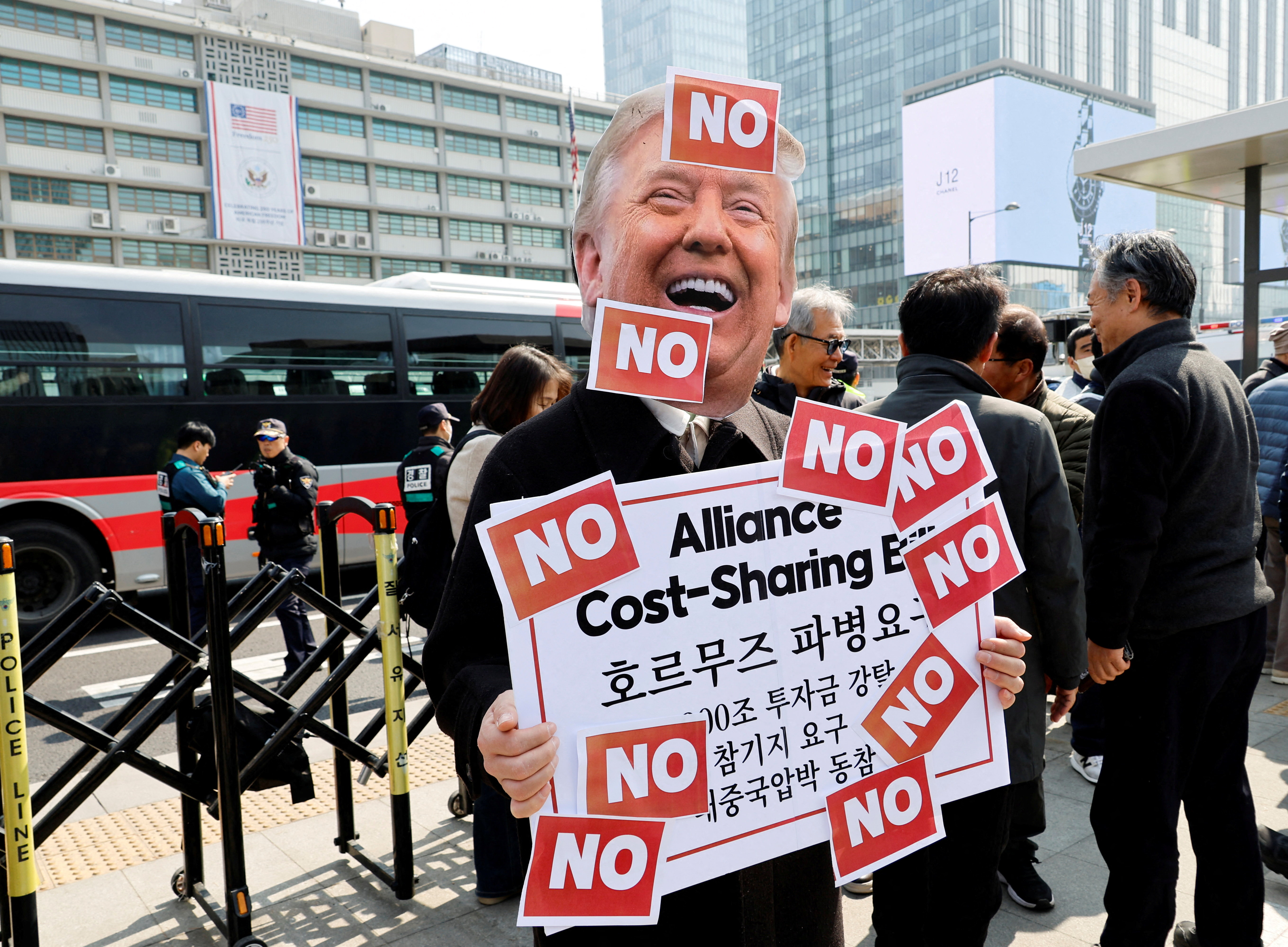
South Korean officials expressed alarm this week after Washington announced a reduction in the scope of combined military exercises with the Republic of Korea. The decision, traced to a directive issued during the Trump administration, came at a time when tensions between the United States and Iran have intensified over nuclear negotiations and regional proxy conflicts.
The United States and South Korea have maintained a formal security partnership since 1953, with annual large‑scale drills such as Foal Eagle and Ulchi Freedom Guardian serving as a cornerstone of deterrence on the Korean Peninsula. By scaling back these maneuvers, the United States has prompted Seoul to reassess the reliability of the alliance that has underpinned regional stability for more than seven decades.
In response, South Korean defense officials called for clarification on the rationale behind the change, emphasizing that any perceived weakening of the joint training regime could embolden North Korean provocations. While no official quote was released, diplomatic channels reportedly conveyed “deep concern” over the timing of the move, given the broader geopolitical backdrop of the U.S.–Iran dispute.
Analysts note that the drill reduction aligns with a broader U.S. strategic shift aimed at reallocating resources to address emerging threats in the Middle East, particularly the escalating standoff with Iran. However, experts caution that diverting attention from the Korean Peninsula may create security gaps, especially as Pyongyang continues to develop its missile capabilities.
The episode has revived longstanding debates within South Korea about the durability of the U.S. security guarantee. Lawmakers and think‑tanks are urging the administration to reaffirm its commitment to the alliance, while also exploring complementary defense measures, including greater self‑reliance and deeper cooperation with other regional partners.
As the United States navigates its complex relationship with Iran, the ripple effects are being felt far beyond the Middle East, testing the resilience of one of its oldest post‑World War II alliances.