Supreme Court orders police to provide written justification for UAPA arrests
The apex court ruled that authorities must furnish a written statement of grounds whenever detaining someone under the Unlawful Activities Prevention Act.
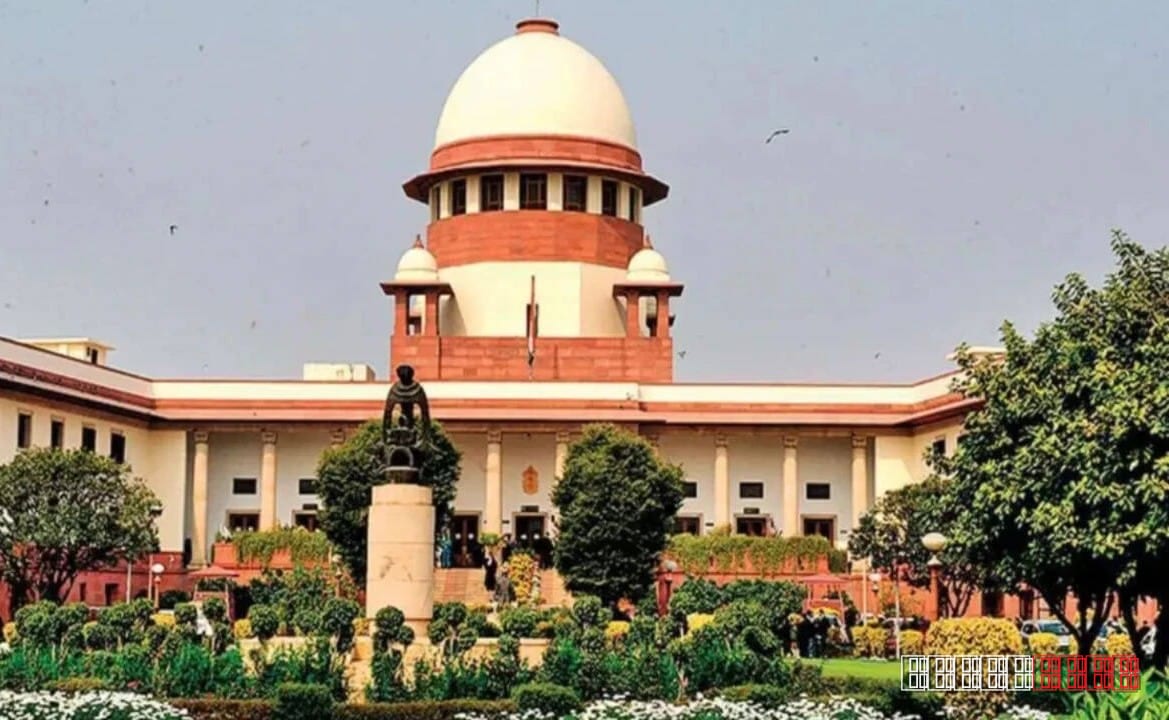
The Supreme Court has issued a directive that police must present a written statement outlining the reasons for any arrest made under the Unlawful Activities Prevention Act (UAPA), even in cases where the law traditionally allows broader discretion. The ruling, reported by the Times of India, emphasizes that a detainee’s right to know the specific grounds of their arrest cannot be ignored, regardless of the seriousness of the alleged offence.
In its order, the bench highlighted that the procedural safeguard of a written ground is a fundamental component of due process. It noted that while the UAPA grants the government extensive powers to curb terrorism and related activities, those powers do not override the constitutional guarantee that an arrested person must be informed of the case against them. The court therefore mandated that law‑enforcement agencies prepare a concise, written document that details the factual basis for the arrest and the statutory provisions invoked.
Background on the UAPA The Unlawful Activities Prevention Act, first enacted in 1967 and amended several times, is India’s primary anti‑terror legislation. It allows the government to designate individuals and organisations as terrorist entities and to detain them without filing a charge sheet for up to 180 days. Critics have long argued that the act’s broad language can be misused to stifle dissent, and that procedural safeguards are often overlooked. The Supreme Court’s recent clarification seeks to balance national security concerns with individual liberties, reinforcing the principle that even alleged terrorists are entitled to basic legal protections.
Legal experts say the decision could prompt a shift in how police departments document arrests. “Written grounds will create a paper trail that can be scrutinised by courts and civil society,” one commentator noted, adding that the move may reduce arbitrary or politically motivated detentions. The ruling also aligns with earlier Supreme Court pronouncements that stress the importance of transparency in criminal procedures, such as the D.K. Basu guidelines on custodial rights.
The order is expected to have immediate implications for ongoing investigations and pending cases under the UAPA. Law‑enforcement agencies will need to revise their arrest protocols, and defence lawyers are likely to cite the written grounds requirement in bail applications and habeas corpus petitions. The decision underscores the judiciary’s role in checking executive power, especially in matters that touch on civil liberties and security.
The Supreme Court’s directive thus marks a significant development in India’s legal landscape, reinforcing that procedural fairness remains a cornerstone of the justice system, even when confronting threats to national security.
This report is based on original reporting by Times of India. Read the original source →