Syria Turns to Diplomatic Channels with Israel Amid Ongoing Tensions
Beirut signals a willingness to negotiate with Jerusalem even as Israeli strikes continue in Syrian territory.
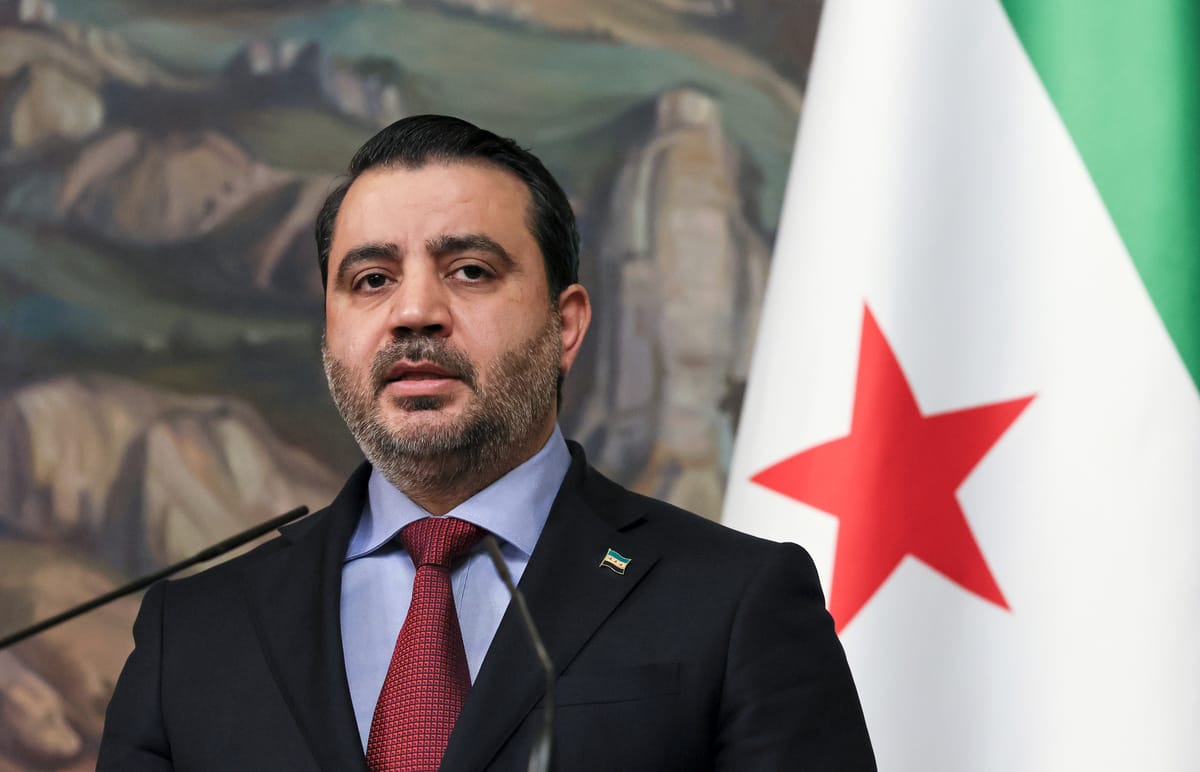
Syria’s foreign ministry has recently signaled a shift toward diplomatic engagement with Israel, a move that marks a notable change after decades of armed confrontation. The announcement comes as Israeli air operations persist in Syrian airspace, targeting Iranian‑backed militias and other groups that Tehran supports in the country. While Damascus has historically viewed Israel as an adversary, officials now argue that dialogue could help stabilize the volatile border regions and reduce civilian casualties.
The diplomatic overture was underscored by a series of low‑key contacts between Syrian and Israeli officials in Geneva and Amman. Syrian representatives emphasized the need for a “mutual understanding of security concerns,” proposing confidence‑building measures such as the establishment of a joint monitoring mechanism along the Golan Heights. Israeli officials, for their part, have not ruled out talks but continue to justify strikes as defensive actions aimed at preventing weapons transfers to Hezbollah and other hostile actors.
Regional powers are watching the development closely. Russia, which maintains a military foothold in Syria, has offered to mediate any potential agreements, stressing that a negotiated settlement could complement its broader strategy of preserving influence in the Levant. Tehran, meanwhile, warns that any Syrian‑Israeli rapprochement must not undermine Iran’s strategic depth in the region, a stance that could limit Damascus’ flexibility.
Analysts note that the diplomatic path faces significant hurdles. Trust between the two sides remains low after years of bombardments that have damaged infrastructure and displaced thousands of civilians. Moreover, the United States, a key ally of Israel, has signaled limited interest in brokering talks unless they align with its own security objectives. The Syrian government, still recovering from a protracted civil war, must also balance its internal political dynamics, where hard‑line factions may resist any perceived concession to Israel.
If the diplomatic initiative endures, it could reshape the security calculus of the eastern Mediterranean. A sustained dialogue might pave the way for broader regional cooperation on issues such as water management, refugee return, and counter‑terrorism. However, the durability of Syria’s approach will depend on whether both sides can translate tentative talks into concrete, verifiable actions that address each nation’s core concerns.