Syrian foreign minister denies any Turkish troop deployment plans
In a recent interview, Syria’s foreign minister affirmed that Turkey will not establish a permanent military presence despite a training visit to a Syrian airbase.
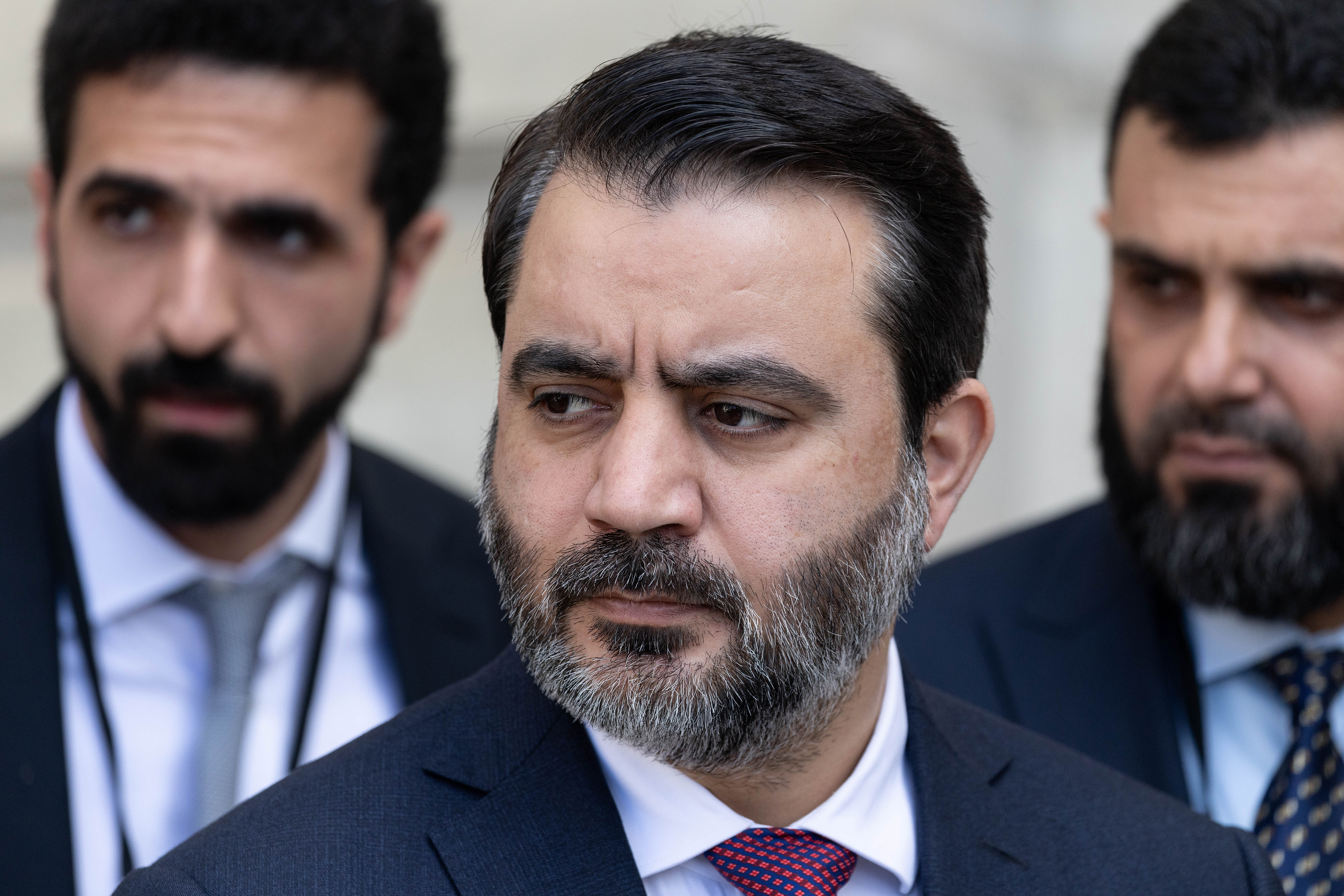
Syria’s top diplomat has publicly rejected the notion that Turkey intends to set up a lasting military foothold on Syrian soil. Speaking to a regional news outlet, the foreign minister said there are “no plans” for a Turkish permanent presence, underscoring Damascus’ stance amid ongoing regional tensions.
The comments came after a delegation of Turkish military officials arrived at a Syrian airbase for a short‑term training exercise. The visit, described by officials as a routine exchange, involved joint drills focused on logistics and airfield operations. Syrian authorities allowed the limited engagement but stressed that it does not signal a broader strategic shift.
The foreign minister emphasized that any future cooperation would remain strictly limited to specific, time‑bound activities and would not evolve into a stationed force. He added that Syria continues to prioritize its sovereignty and territorial integrity, and that decisions about foreign troop deployments are made in line with national security considerations.
Turkey’s involvement in northern Syria has been a flashpoint since the start of the civil war, with Ankara maintaining a network of observation posts and supporting various local groups. While Ankara has expressed interest in securing its border and countering insurgent threats, Damascus insists that any such measures must respect Syrian law and be confined to agreed‑upon parameters.
Analysts note that the foreign minister’s statement seeks to reassure both domestic and international audiences that Syria will not cede control of its airspace or territory to external forces. The clarification also aims to prevent misinterpretations that could inflame already fragile relations between the two neighbours.
For now, the limited training visit appears to be an isolated incident, and both governments have signaled a willingness to manage their security concerns through dialogue rather than permanent deployments.