Tariff standoff erupts as U.S. and Canada miss midnight deadline
Negotiations fell apart, prompting the United States to levy 50% duties on $20 billion of Canadian goods, with Ottawa pledging a matching response.
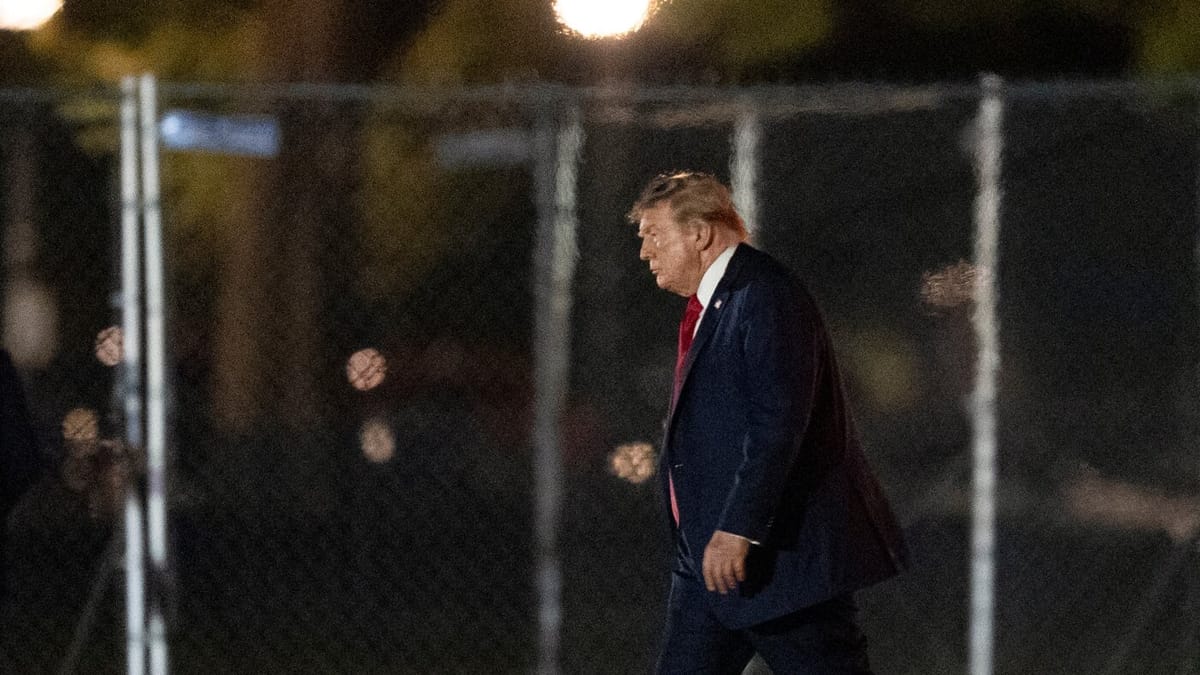
The final hours before a pre‑set midnight deadline saw U.S.‑Canada trade negotiations collapse, triggering a steep tariff regime. The United States announced it will impose a 50 percent duty on roughly $20 billion worth of Canadian exports, a move that marks the most aggressive escalation in the bilateral trade relationship in years.
The newly announced tariffs cover a broad swath of Canadian products destined for the American market. A 50 percent levy effectively doubles the cost of those goods for U.S. importers, creating an immediate financial shock for exporters and downstream businesses that rely on cross‑border supply chains. Analysts note that the $20 billion figure represents a significant slice of the total trade flow between the two nations, underscoring the potential for widespread disruption.
In response, Canadian Prime Minister Mark Carney declared that Canada will “match those tariffs dollar for dollar.” The statement signals a reciprocal strategy, meaning Canadian authorities intend to impose equivalent duties on U.S. goods of comparable value. Carney’s pledge aims to level the playing field and deter further escalation, while also sending a clear message that Canada will not absorb the cost of the American measures.
The tariff standoff raises questions about the future of North American trade. Both governments have indicated a willingness to reopen talks, but the immediate impact will be felt by manufacturers, farmers, and consumers on both sides of the border. Companies may need to seek alternative markets or absorb higher costs, while policymakers brace for possible retaliatory steps. The situation remains fluid, and the next round of negotiations will likely determine whether the dispute can be defused before it spreads into a broader economic confrontation.