Tehran Rejects Intimidation, Calls for Diplomatic Channels Amid Ongoing Conflict
Iran's president asserted at the UN that the nation will not succumb to pressure while staying receptive to negotiations, as war tensions persist.
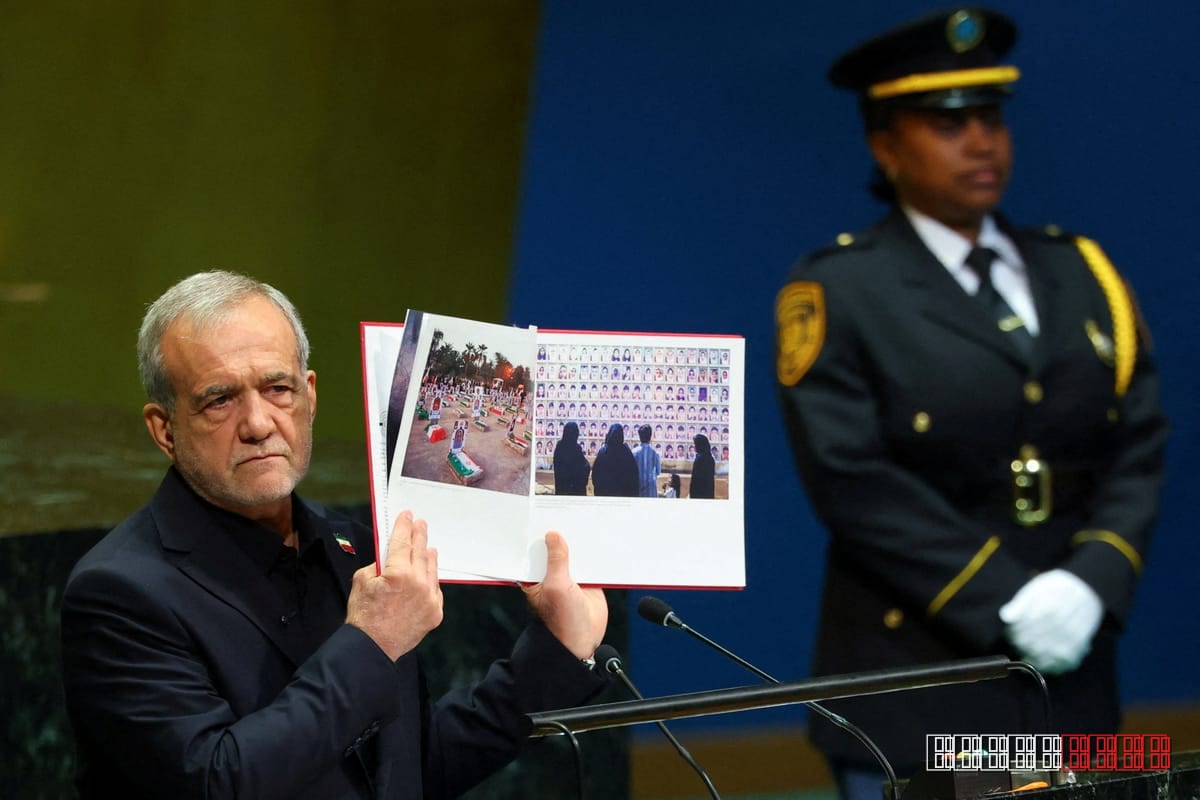
Iranian President Ebrahim Raisi delivered a resolute address to the United Nations on Saturday, declaring that Tehran will not be coerced by external forces but remains willing to engage in dialogue, Al Jazeera reported. The speech came amid heightened military activity in the region, with reports of air strikes and naval engagements involving multiple state actors.
Raisi emphasized that Iran’s sovereignty cannot be compromised, stating, “We will not be bullied, but we are open to talks that respect our national interests.” He urged the international community to pursue diplomatic solutions rather than escalating hostilities. The remarks were timed as the United Nations Security Council convened an emergency session to discuss the spiralling conflict, which has drawn attention from both regional powers and global institutions.
The president’s stance reflects a broader pattern in Iranian foreign policy, where diplomatic overtures are often paired with firm resistance to perceived external threats. Since the outbreak of the current hostilities in early September, Iran has faced accusations of supporting proxy forces in neighboring countries, while simultaneously denying direct involvement in recent attacks. The UN platform provides Tehran an opportunity to shape the narrative, positioning itself as a potential mediator rather than a belligerent.
Historically, Iran’s approach to conflict resolution has oscillated between hardline posturing and back‑channel negotiations. The 2015 Joint Comprehensive Plan of Action (JCPOA) exemplified a period when Tehran engaged in extensive talks with world powers, only to withdraw in 2018 over sanctions disputes. The present situation echoes those dynamics, as Iran balances its strategic interests with the need to avoid international isolation. Analysts note that maintaining open lines of communication could prevent further escalation and open pathways for a cease‑fire agreement.
The UN’s emergency session is expected to produce a resolution urging restraint and proposing a framework for mediated talks. While no concrete timeline has been set, Raisi’s comments signal Iran’s readiness to participate, provided its core concerns—such as sanctions relief and security guarantees—are addressed. The international community will be watching closely to see whether diplomatic overtures can translate into tangible de‑escalation measures.
The developments underscore the delicate balance between military action and diplomatic engagement in a region already fraught with longstanding tensions. As the conflict unfolds, Tehran’s insistence on not being bullied while staying open to negotiations may shape the next phase of international efforts to restore stability.
This report is based on original reporting by Al Jazeera. Read the original source →