Thousands March in Bangladesh Over Soaring Living Costs
Protesters across Bangladesh rallied this week demanding urgent measures to curb inflation and ease household expenses.
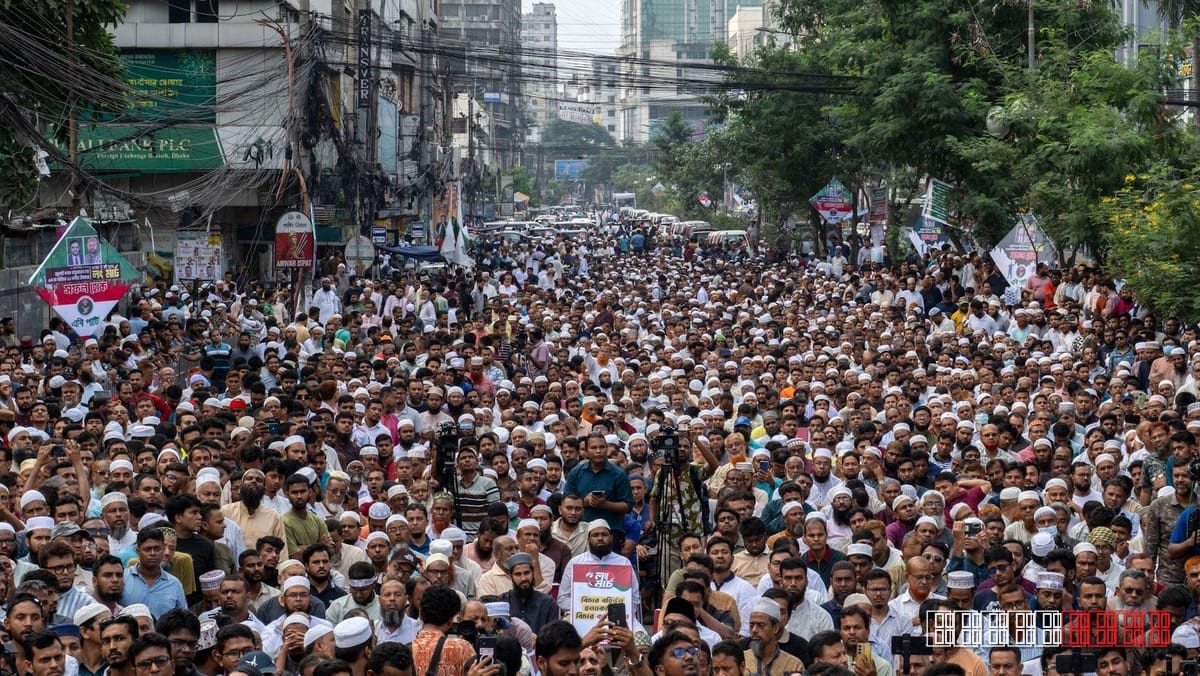
Bangladesh saw its largest street demonstrations since the 2018 student protests, as thousands converged on Dhaka and other cities demanding relief from rapidly rising living costs, Al Jazeera reported. Demonstrators carried placards calling for price controls on food, fuel and utilities, and shouted slogans urging Prime Minister Tarique Rahman to act swiftly.
The rallies, which began on Saturday and continued into Sunday, were organized by a coalition of trade unions, consumer rights groups and student bodies. Participants claimed that inflation has pushed basic commodities beyond the reach of average families, with rice and cooking oil prices reportedly up by more than 20 percent over the past six months. The protesters also highlighted recent hikes in electricity tariffs and public transport fares, saying these measures disproportionately affect low‑income households.
Prime Minister Tarique Rahman, who took office in early 2026 after a contested election, has faced criticism for his government's handling of the economy. While his administration points to a 7.2 percent GDP growth rate in the first quarter, analysts warn that growth has been uneven, with rural incomes lagging behind urban gains. The current cost‑of‑living squeeze follows a series of external shocks, including a sharp depreciation of the Bangladeshi taka and higher global oil prices that have strained the country's trade balance.
Historically, Bangladesh has managed inflation through targeted subsidies and price caps, but those tools have been stretched thin amid fiscal deficits. The last major nationwide protest over economic grievances occurred in 2018, when students demanded better job prospects and lower tuition fees. The present demonstrations differ in scale and focus, reflecting broader public anxiety about everyday expenses rather than sector‑specific concerns.
The government has so far responded with a promise to review the pricing of essential goods and to hold a meeting with union leaders later this week, according to Al Jazeera. However, activists remain skeptical, noting that previous pledges have yielded limited tangible outcomes. Observers say the protests could pressure the Rahman administration to accelerate reforms, such as expanding social safety nets and stabilising the currency, to prevent further social unrest.
As the demonstrations continue, the international community watches closely. Bangladesh, a key garment exporter, relies heavily on foreign investment and trade. Sustained unrest could impact production schedules and foreign confidence, underscoring the urgency of addressing the cost‑of‑living crisis before it escalates into broader economic instability.
This report is based on original reporting by Al Jazeera. Read the original source →