Trump dismisses Iran's cease‑fire proposal, leaning on sanctions
The U.S. president rejected Tehran's truce offer, believing economic pressure will yield greater diplomatic gains, analysts say.
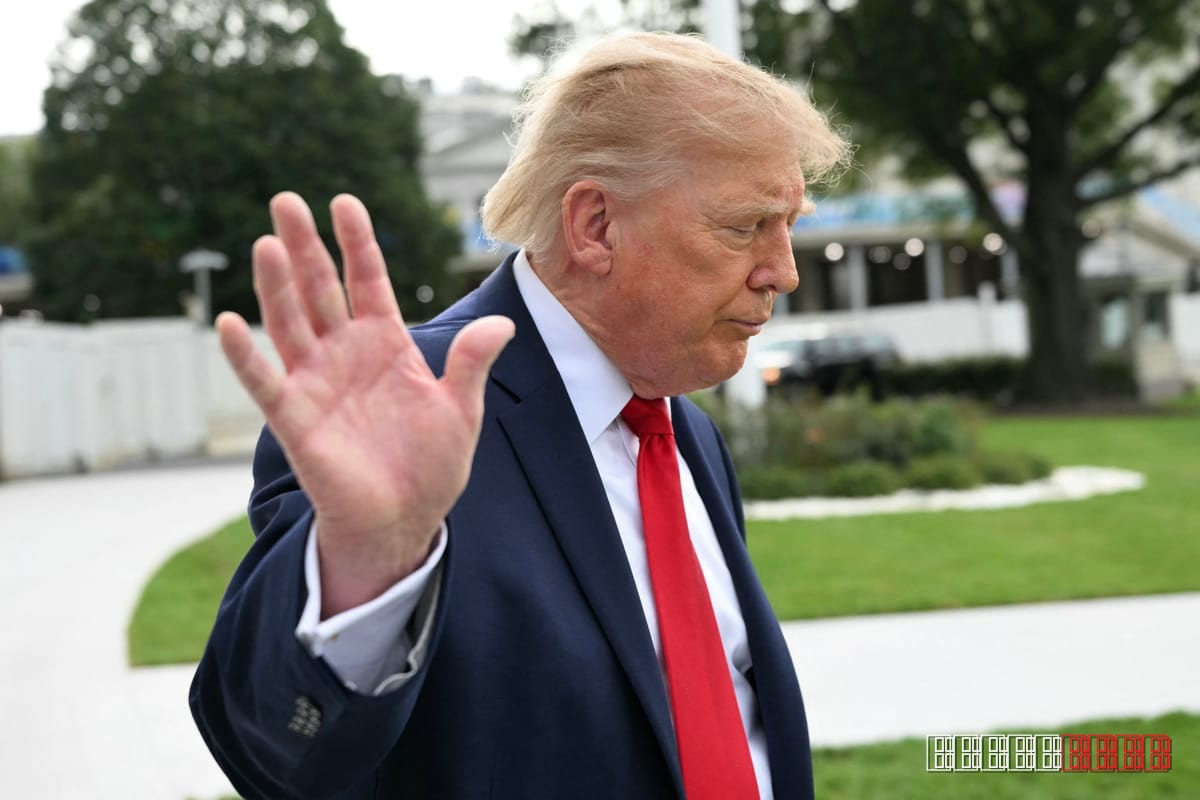
Donald Trump has turned down a recent Iranian proposal for a cease‑fire, a move that signals his continued reliance on economic sanctions as a bargaining chip, Al Jazeera reported. The White House did not provide a detailed explanation, but officials close to the decision indicated that the president views sanctions as the most effective lever to compel Tehran to make broader concessions.
Experts cited by Al Jazeera argue that Trump’s stance reflects a broader strategy of using financial pressure to extract political wins. By rejecting the truce, the administration hopes to keep Iran economically vulnerable, thereby increasing the likelihood of a more favorable deal on issues such as its nuclear program and regional activities. However, analysts warn that this approach could also erode U.S. leverage if sanctions begin to lose their impact or if allied nations grow weary of prolonged economic warfare.
The backdrop to this rejection is a complex web of U.S.–Iran relations that have been strained since the United States withdrew from the 2015 Joint Comprehensive Plan of Action (JCPOA) in 2018 and re‑imposed sweeping sanctions. Over the past years, Tehran has periodically offered diplomatic overtures, often linked to regional conflicts or nuclear negotiations, only to see them rebuffed or stalled by Washington’s hard‑line policies. The current truce offer emerged amid heightened tensions in the Middle East, where Iran has sought to position itself as a mediator in broader regional disputes.
Historically, cease‑fire proposals have served as confidence‑building measures that can open the door to more substantive talks. When such offers are declined, the diplomatic deadlock can deepen, potentially prompting both sides to adopt more confrontational postures. For the United States, maintaining a credible threat of sanctions is crucial to its negotiating toolkit, but the effectiveness of that threat depends on the international community’s willingness to enforce and support the measures.
The decision also carries implications for other actors in the region, including Israel, Saudi Arabia, and European powers that have pursued parallel diplomatic tracks with Tehran. A continued U.S. emphasis on sanctions may push Iran to seek alternative economic partners, while also influencing the calculus of regional allies who weigh the costs of aligning with or opposing Washington’s approach. As the situation evolves, the international community will watch closely to see whether the sanctions‑centric strategy yields the desired diplomatic outcomes or merely entrenches the stalemate.
This report is based on original reporting by Al Jazeera. Read the original source →