Trump dismisses US‑China AI partnership, calls safety fears a hoax
The president rejected a joint artificial‑intelligence program with China, labeling alarmist warnings as unfounded.
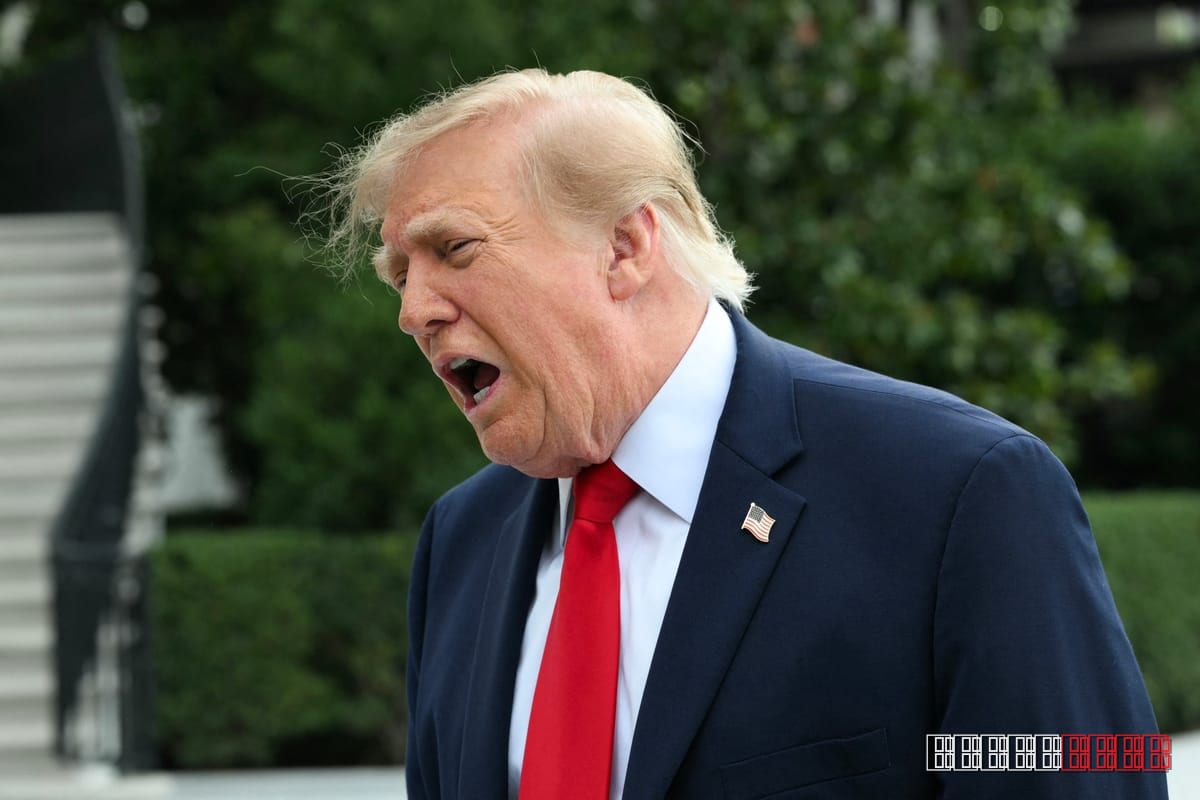
President Donald Trump has turned down a proposal to merge American and Chinese artificial‑intelligence initiatives, describing concerns about the technology as "hoaxes," Al Jazeera reported. The decision was announced during a press briefing on Tuesday, where Trump said any effort to combine U.S. and Chinese AI research would jeopardize national security and that the public's fear of AI‑driven threats was largely imagined.
According to Al Jazeera, Trump’s remarks followed a recent diplomatic overture by senior officials from both Washington and Beijing, who had suggested a limited cooperation framework aimed at sharing safety protocols and preventing an uncontrolled AI arms race. The president dismissed the idea outright, insisting that the United States must pursue its own AI agenda without Chinese involvement.
White House spokesperson Jenna Hayes declined to elaborate on the president’s comments but reiterated that the administration remains committed to "protecting American innovation and security." Chinese officials, meanwhile, have not issued an official response, though analysts note that Beijing has previously signaled openness to dialogue on AI governance.
The debate over U.S.-China AI collaboration reflects a broader strategic rivalry that has intensified over the past decade. Both nations invest billions in AI research, with the United States leading in foundational models and China rapidly advancing in applications such as facial recognition and autonomous systems. Past attempts at cooperation, including a 2023 bilateral summit on AI ethics, have stalled amid mutual suspicion and competing economic interests. Experts warn that a lack of coordinated standards could accelerate a fragmented global AI landscape, increasing the risk of incompatible regulations and potential misuse.
Trump’s rejection may reshape the policy trajectory for the upcoming fiscal year, as Congress prepares to allocate additional funding for domestic AI projects. Industry leaders are watching closely, fearing that a hardline stance could limit access to Chinese data sets and hardware that many U.S. firms rely on. The administration’s next steps are likely to focus on bolstering home‑grown AI capabilities while tightening export controls on advanced chips, a move that could further widen the technology gap between the two powers.
This report is based on original reporting by Al Jazeera. Read the original source →