Trump Rejects Iran Dialogue Amid Hormuz Waterway Dispute
The U.S. president says there will be no talks with Tehran as regional states keep negotiating the Strait of Hormuz.
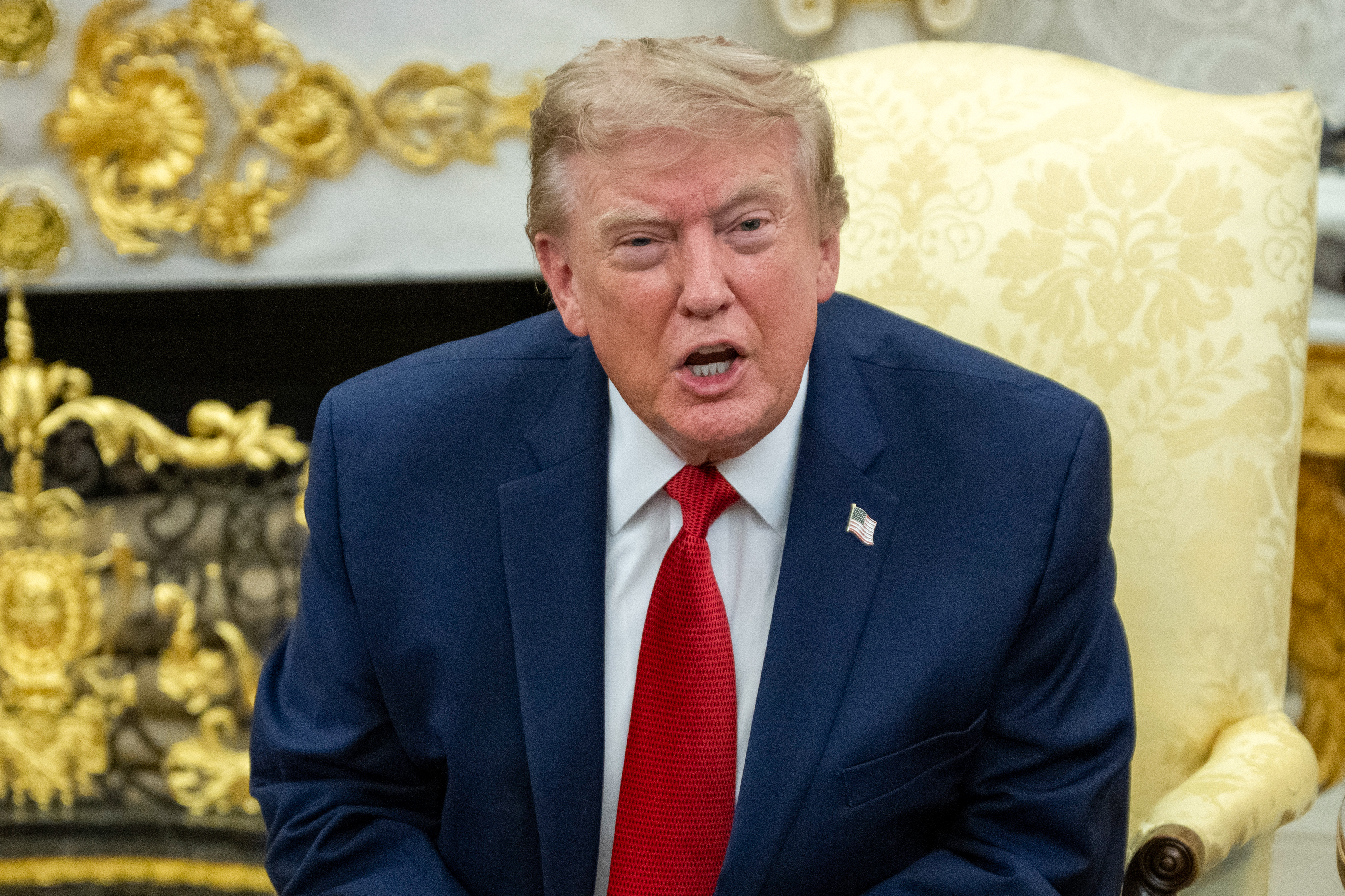
President Donald Trump has publicly ruled out any diplomatic engagement with Iran, stating that the United States has no plans for talks with the Tehran government. His remarks came as neighboring countries around the Strait of Hormuz – a narrow passage that funnels a significant share of the world’s oil – continued discussions on how to manage the strategic waterway.
The controversy stems from a recently announced agreement between Iran and Oman concerning navigation and security in the Hormuz corridor. While the deal has been welcomed by several Gulf states as a step toward stabilising shipping routes, Trump characterized the arrangement as a provocation and warned that the United States would not be drawn into negotiations that, in his view, could legitimize Tehran’s regional influence.
Countries bordering the strait, including the United Arab Emirates, Saudi Arabia and Oman, have been meeting to coordinate patrols, share intelligence and develop joint response protocols to potential disruptions. These talks are aimed at safeguarding the flow of maritime traffic that passes through one of the world’s most critical chokepoints. Despite the regional momentum, the White House has signalled a reluctance to join the process, with Trump emphasizing that any U.S. involvement would require a broader framework that addresses Iran’s broader regional behavior.
The president’s comments underscore a continuing split within U.S. foreign policy circles over how to handle Iran’s growing diplomatic outreach. While some officials argue that engagement could reduce the risk of accidental clashes, Trump’s stance reflects a more confrontational approach, insisting that Tehran must first meet a set of pre‑conditions before the United States would consider any dialogue.
Analysts note that the absence of U.S. participation may complicate efforts to achieve a comprehensive security architecture for the Hormuz Strait, but they also point out that the United States retains significant naval capabilities in the region that can be deployed unilaterally if necessary.