Trump teams with Mesabi Metallics on $15 billion Iowa steel megaproject
The former president unveiled a partnership to build the nation’s biggest steel plant, a move that could reshape U.S. manufacturing ahead of the midterms.
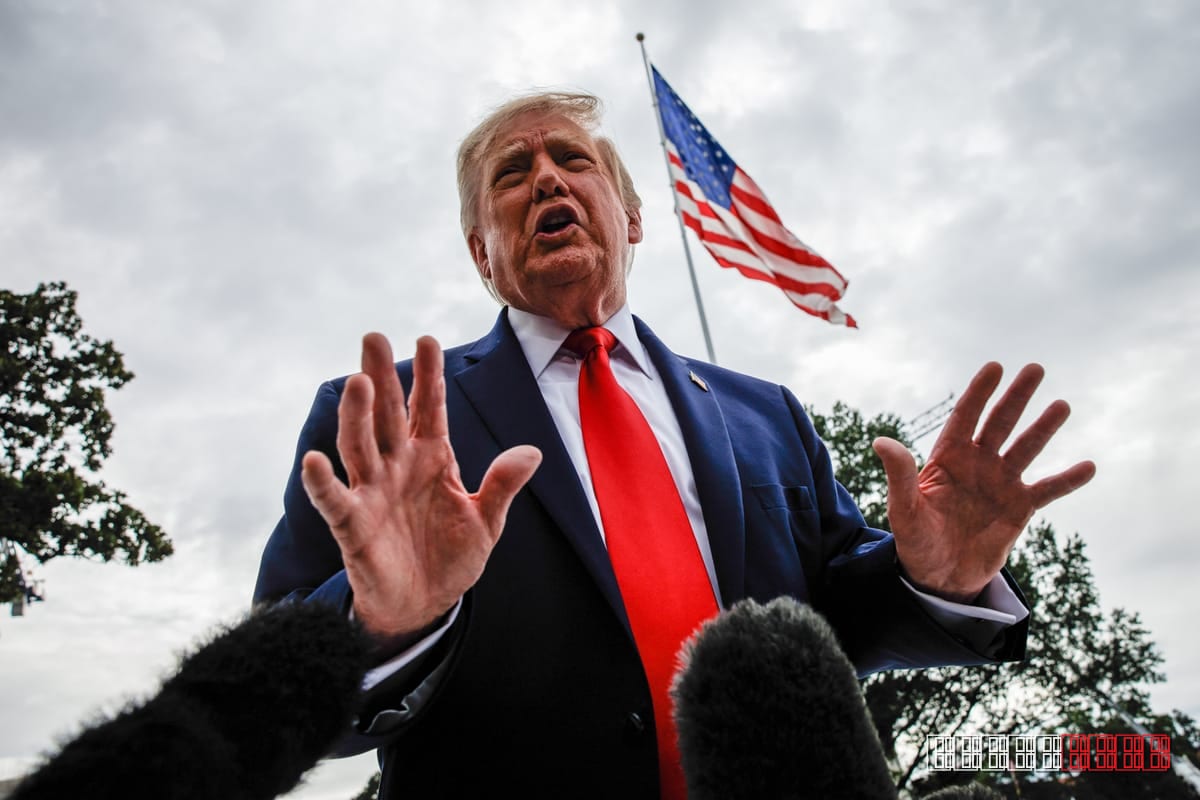
Former President Donald Trump announced a joint venture with Mesabi Metallics to construct a $15 billion steel facility in Iowa, a project that would become the largest steel plant ever built in the United States. CNBC reported that the venture aims to produce high‑grade steel for automotive, construction and renewable‑energy sectors, and is slated to begin groundbreaking in early 2027.
The proposed complex would span roughly 2,500 acres and incorporate advanced electric‑arc furnace technology, a departure from the traditional blast‑furnace methods that dominate older U.S. plants. Trump highlighted the project’s potential to create up to 5,000 permanent jobs and to revive a region that has seen manufacturing decline for decades. The former president framed the announcement as a “America‑first” effort to reduce reliance on imported steel.
Political analysts note that the timing aligns with a volatile economic mood among voters. A recent poll cited by CNBC shows a growing share of Americans dissatisfied with the state of the economy, a sentiment that could influence the upcoming midterm elections. By positioning the steel plant as a tangible job‑creation promise, Trump hopes to bolster his influence over swing‑state electorates where manufacturing jobs have historically been pivotal.
The steel industry has faced a steep downturn over the past two decades, with domestic capacity eroding as cheaper imports from China and Europe captured market share. Prior to this announcement, the largest U.S. steel facility was the U.S. Steel Gary Works in Indiana, which has a capacity of about 5 million tons per year. If realized, the Iowa plant would surpass that scale, potentially adding 10 million tons of output annually. The project also arrives amid ongoing debates over the effectiveness of the tariffs Trump imposed on steel imports during his administration, which some economists argue have only partially shielded U.S. producers.
Local officials in Iowa have expressed cautious optimism, emphasizing the need for rigorous environmental reviews and infrastructure upgrades. While the partnership promises significant economic benefits, critics warn that the massive capital outlay could strain financing if market demand softens. The plant’s success will hinge on securing long‑term contracts and navigating regulatory hurdles, a process that could take several years.
If the venture proceeds as outlined, it would mark a historic infusion of private capital into U.S. heavy industry and could serve as a template for future large‑scale manufacturing projects. Observers will watch closely how the initiative impacts both the regional labor market and the broader narrative of American industrial resurgence.
This report is based on original reporting by CNBC. Read the original source →