U.S. and China locked in high‑stakes contest for AI dominance
Both nations pour billions into artificial‑intelligence research as they vie to set the global standard.
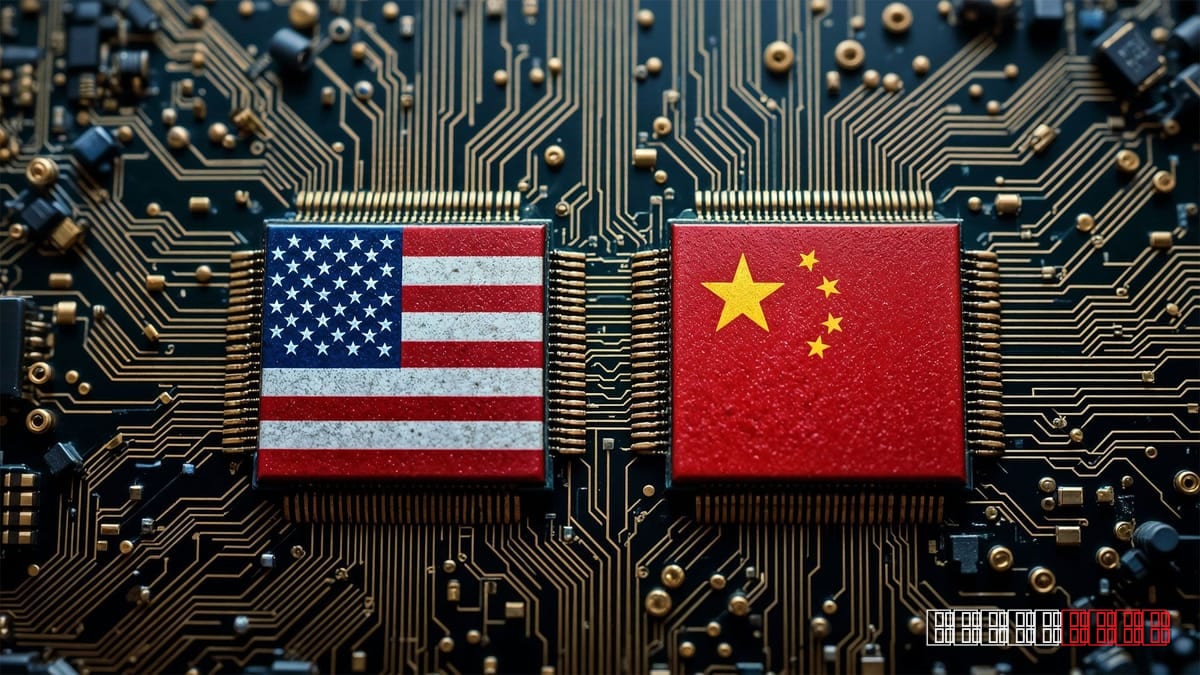
The competition to become the world’s leading artificial‑intelligence power is intensifying, with the United States and China each committing massive resources to outpace the other, Al Jazeera reported. Washington’s strategy hinges on private‑sector innovation and a series of federal subsidies, while Beijing is leveraging state‑directed funding and a coordinated national plan to accelerate development.
According to Al Jazeera, the United States has seen venture capital flow surge to AI startups, with major cloud providers offering free compute credits to attract talent. In parallel, the Chinese government has earmarked over $150 billion for AI research through its “New Generation AI Development Plan,” targeting breakthroughs in areas such as autonomous vehicles, facial‑recognition systems, and large‑language models. Both sides are also courting top scientists, offering lucrative packages and fast‑track visas to secure a competitive edge.
The stakes extend beyond commercial profit. Al Jazeera highlighted that leadership in AI could shape global standards for data privacy, military applications, and digital infrastructure. A nation that sets the dominant architecture may dictate how future economies operate, influencing everything from supply‑chain logistics to cybersecurity protocols. Analysts warn that the winner could wield unprecedented soft‑power, potentially reshaping alliances and trade patterns.
The current race builds on a longer history of technological rivalry. During the Cold War, the United States and the Soviet Union vied for supremacy in space and computing, each breakthrough translating into geopolitical leverage. In the 1990s, the rise of the internet sparked a new competition over digital standards, a contest that ultimately settled with U.S. dominance. Today’s AI contest mirrors those past battles: the nation that first achieves reliable, scalable, and ethically governed AI systems may set the rules for the next era of global technology.
Looking ahead, experts suggest that cooperation could temper the rivalry. Joint research initiatives, shared safety protocols, and multilateral governance frameworks may help prevent an unchecked arms race in AI. Yet, as Al Jazeera noted, both governments remain wary of ceding strategic advantage, making the path to collaboration uncertain. The outcome of this AI superpower race will likely reverberate across economies, militaries, and societies worldwide.
This report is based on original reporting by Al Jazeera. Read the original source →