UAE joins regional ban on Iranian carriers amid tightening US aviation sanctions
The United Arab Emirates announced it will prohibit Iranian airlines from operating in its airspace, aligning with several neighboring states as U.S. measures choke Iran's aviation industry.
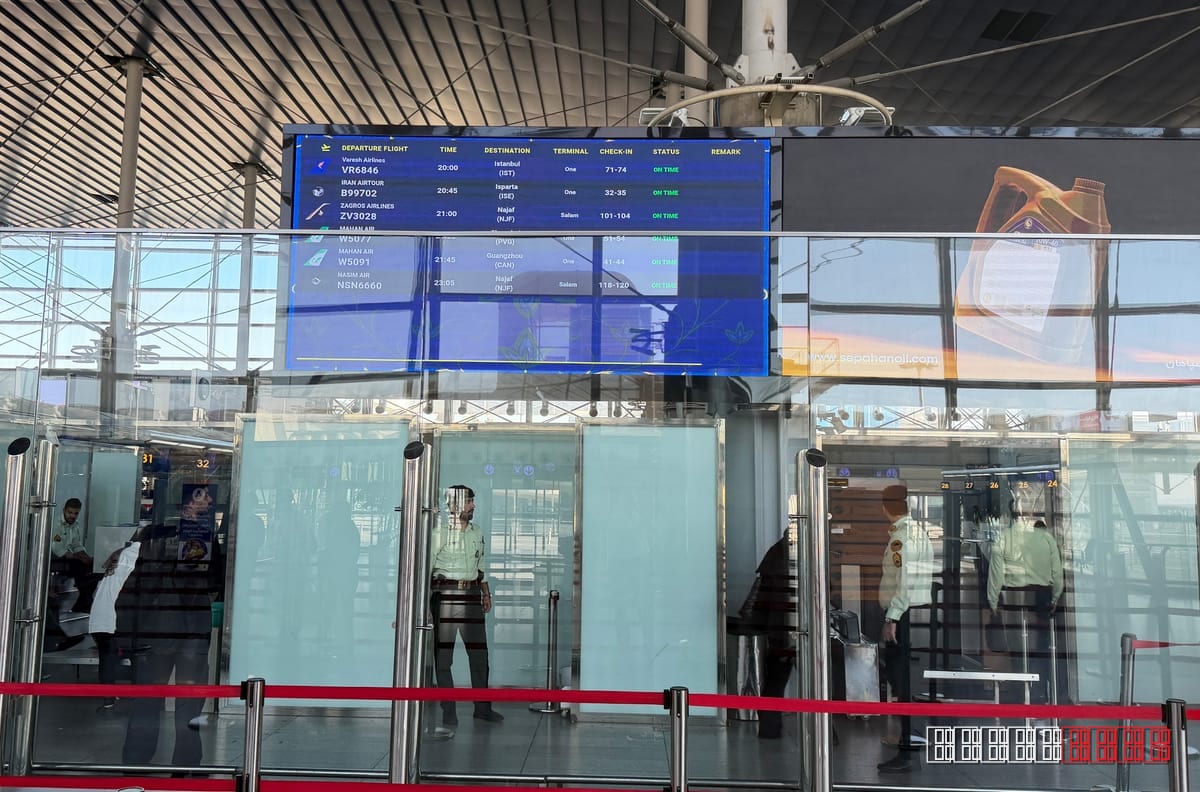
The United Arab Emirates confirmed on Sunday that it will no longer allow Iranian airlines to land or transit through its airports. The decision, announced by the UAE civil aviation authority, marks the latest step in a coordinated effort by several countries to limit Iran’s air links.
According to Al Jazeera, the UAE’s move follows similar restrictions imposed by Oman, Iraq, Azerbaijan, Georgia and Turkmenistan, which have all recently barred Iranian carriers from their airspace or airports. The collective action effectively isolates Iran’s commercial aviation network from a swath of the Middle East and the Caucasus.
The bans are being driven by a renewed wave of U.S. sanctions that target Iran’s aviation sector. Since 2022, Washington has tightened controls on the sale of aircraft parts, leasing arrangements and insurance for Iranian airlines, citing concerns over the regime’s procurement of dual‑use technology. The latest sanctions, announced earlier this month, expand the list of prohibited entities and increase penalties for companies that facilitate aircraft maintenance for Iran.
Iran’s airlines, many of which rely on foreign leasing firms to keep their fleets operational, have already seen a steep decline in available aircraft. Al Jazeera reported that the sanctions have forced carriers to ground a significant portion of their planes, leading to reduced flight schedules and higher ticket prices for passengers traveling to and from Tehran. The restrictions also hamper cargo routes that are vital for Iran’s trade, especially for perishable goods and medical supplies.
The regional clampdown underscores the strategic importance of air connectivity for the Gulf states. The UAE, home to the world‑ranking hub Dubai International Airport, has positioned itself as a neutral transit point for global airlines. By aligning with its neighbours, Abu Dhabi signals compliance with U.S. policy while also protecting its own aviation market from potential secondary sanctions.
Analysts note that the cumulative effect of these bans could push Iran to seek alternative routes through non‑aligned nations or to increase reliance on overland transport. However, the loss of access to major Middle Eastern hubs is likely to further strain an industry already grappling with aging fleets and limited financing options.
This report is based on original reporting by Al Jazeera. Read the original source →