UK parents face mounting stress over Child Maintenance Service disputes
Families say the Child Maintenance Service is causing financial strain and calculation errors, leaving many feeling pushed to their limits.
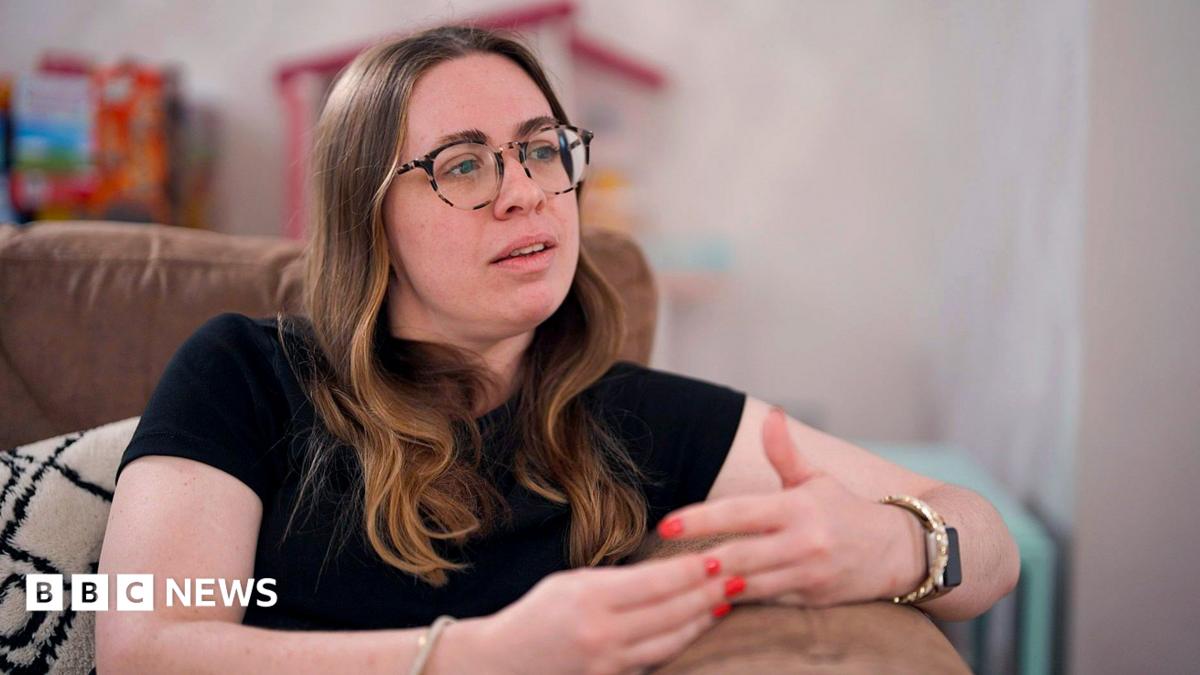
The Child Maintenance Service (CMS) is at the centre of growing frustration among parents across the United Kingdom. A number of families have spoken to the BBC about prolonged battles to secure payments from former partners, describing the process as both stressful and financially draining.
Several respondents highlighted that the CMS’s calculation methods sometimes produce figures that do not reflect their actual circumstances. In some cases, parents claim they have been asked to pay more than they can afford, while others say they have received lower amounts than required to meet their children’s needs. These discrepancies have prompted calls for clearer guidance and quicker resolution of disputes.
The CMS, a government‑run body responsible for ensuring that children receive financial support after parental separation, operates under a set of rules that can be complex for ordinary citizens to navigate. Critics argue that the agency’s bureaucracy adds unnecessary delays, leaving custodial parents waiting months for overdue payments. When errors do occur, correcting them often involves lengthy appeals and additional paperwork, further compounding the hardship for families already coping with separation.
Advocacy groups for separated parents have urged the Department for Work and Pensions to review the service’s procedures, suggesting that more transparent communication and a streamlined appeals process could alleviate the pressure on vulnerable households. They also point to the emotional toll that protracted disputes take on children, who may experience uncertainty about their financial support.
While the CMS maintains that it is working to improve its systems, the testimonies collected by the BBC illustrate a gap between policy intent and lived experience. As the agency continues to handle thousands of cases each year, the call for reform grows louder among those who feel the current model is pushing them to a breaking point.
Original reporting: BBC News.