UN Appeals for $50 Million to Help Nepal Flood Survivors
The United Nations seeks urgent funding for more than 84,000 people affected by devastating floods in Nepal and parts of China.
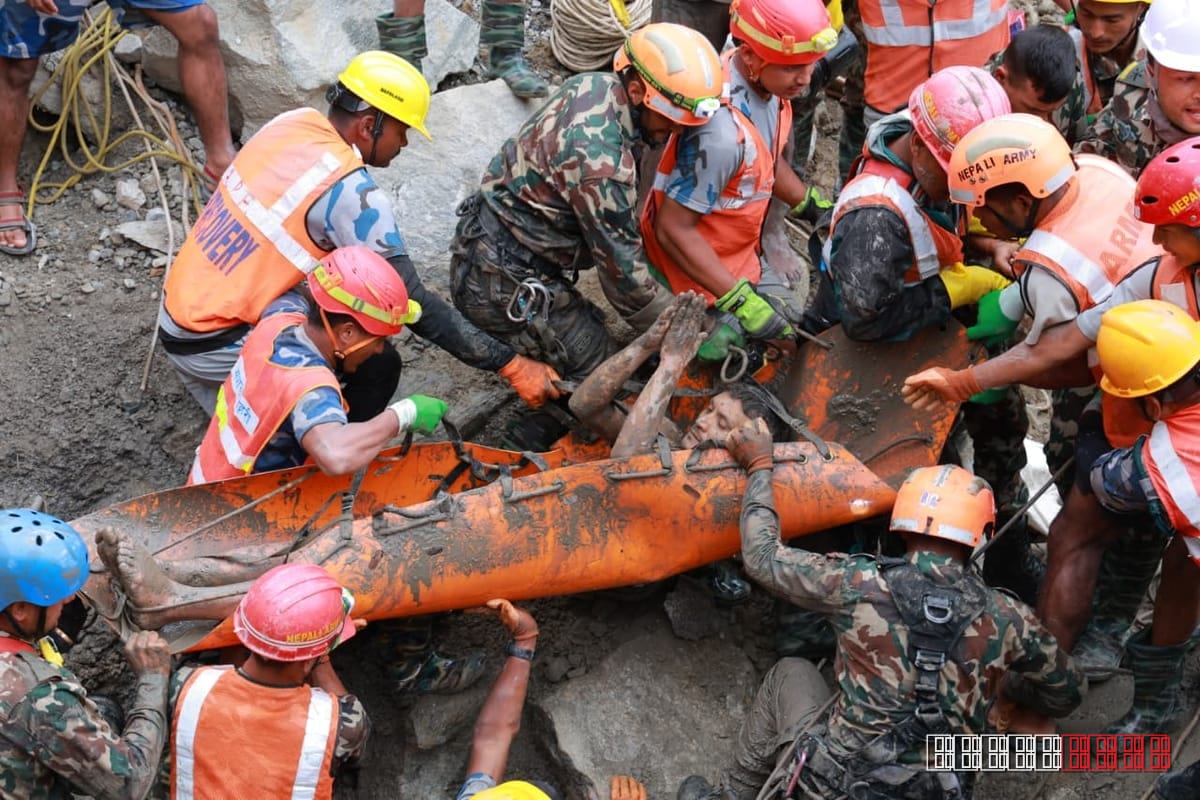
The United Nations has announced a $50 million humanitarian appeal to support over 84,000 Nepalese families still reeling from the recent monsoon floods, Al Jazeera reported. The appeal comes as the death toll from the combined Nepal and China flooding events has risen above 1,300, with many communities facing a looming cholera outbreak and severe sanitation shortfalls.
According to the UN, the disaster displaced tens of thousands, destroyed homes, schools and health facilities, and contaminated water sources across the Himalayan region. Immediate priorities include the provision of clean drinking water, emergency shelter, medical kits and disease surveillance to curb the spread of water‑borne illnesses.
The appeal also calls for contributions to restore livelihoods, such as seed distribution for farmers whose fields were washed away, and cash assistance to help families purchase basic necessities. The UN’s Office for the Coordination of Humanitarian Affairs (OCHA) has warned that without swift international support, the risk of secondary health crises could intensify, especially in remote mountain villages where access to health services is already limited.
Background and broader context
Heavy monsoon rains have become increasingly erratic across South Asia, a trend linked by climate scientists to rising global temperatures. Nepal, a landlocked country with a largely agrarian economy, has historically been vulnerable to flash floods and landslides, especially in the Terai plains and hilly districts. The 2023 floods, for instance, claimed more than 1,000 lives and left millions homeless, prompting a similar UN appeal that raised $30 million. This year’s floods were exacerbated by unusually intense precipitation in the Himalayas, which accelerated river swelling downstream into both Nepal and neighboring China’s Yunnan province. The recurring nature of these disasters underscores the need for longer‑term resilience measures, such as improved early‑warning systems, reinforced river embankments, and community‑based disaster preparedness programs.
International donors have responded quickly; the European Union, Japan and the United States have each pledged multi‑million‑dollar contributions, while regional bodies like SAARC are coordinating cross‑border relief efforts. However, OCHA notes that the total funding gap remains substantial, and the UN is urging private sector partners and philanthropic organizations to join the effort.
The UN’s appeal highlights not only the immediate humanitarian need but also the broader challenge of building climate‑resilient infrastructure in a region where poverty and geography compound vulnerability. As the floodwaters recede, the focus will shift to reconstruction and ensuring that affected communities can rebuild their lives with greater protection against future extreme weather events.
This report is based on original reporting by Al Jazeera. Read the original source →