US Court Hears First Major Case Over Meta’s Effects on Youth Well‑Being
A federal trial launched this week to examine whether Meta’s platforms harm children’s mental health, following a 2021 whistleblower revelation.
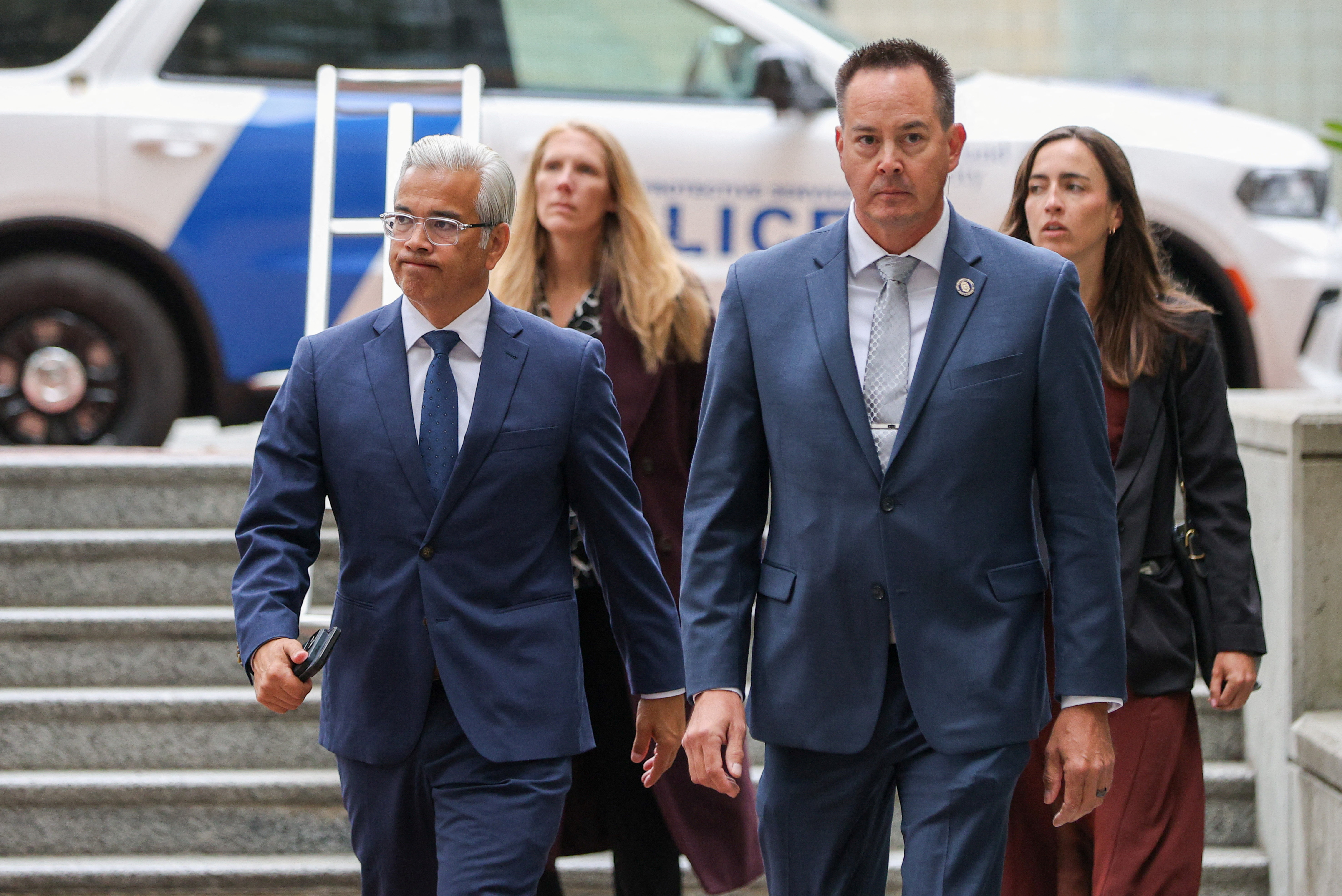
A federal courtroom in San Francisco opened its doors on Monday for a trial that could set a precedent for how tech giants are held accountable for the psychological impact of their services on minors. The lawsuit targets Meta Platforms Inc., the parent company of Facebook, Instagram and WhatsApp, alleging that the firm’s design choices and algorithmic recommendations have contributed to anxiety, depression and other mental‑health issues among children and teenagers.
The case stems from a 2021 disclosure by a former Meta employee who provided internal research showing that the company was aware of adverse effects on young users yet continued to prioritize engagement metrics and advertising revenue. The whistleblower’s testimony sparked a wave of public scrutiny and prompted several state attorneys general and consumer‑rights groups to explore legal action. In the present suit, plaintiffs – a coalition of parents, mental‑health advocates and a nonprofit focused on digital safety – contend that Meta ignored its own findings and failed to implement adequate safeguards, violating consumer‑protection laws.
During opening statements, the plaintiffs’ counsel highlighted studies linking excessive social‑media use to increased rates of depression and suicidal ideation among adolescents. They also presented internal memos that, according to the whistleblower, recommended changes to reduce harmful content exposure, which Meta allegedly dismissed. In response, Meta’s legal team argued that the platform merely provides tools for users to manage their experience and that any negative outcomes are the result of broader societal factors, not corporate policy.
The trial arrives at a moment when regulators worldwide are tightening oversight of digital platforms. The European Union’s Digital Services Act and the United States’ ongoing congressional hearings on online safety signal a shifting landscape in which tech companies may face stricter obligations. Observers note that the verdict could influence future litigation, potentially prompting Meta and its rivals to redesign algorithms, increase transparency, and invest more heavily in mental‑health resources.
While the jury’s decision is expected months away, the proceedings have already intensified public debate about the responsibility of social‑media firms toward their youngest users. The outcome may shape not only legal standards but also the broader conversation about how technology can coexist with the mental‑well‑being of children.