US judge rejects Minnesota's bid to extradite ICE agent over raid shooting
A federal court in Texas declined to order the extradition of ICE special agent Christian Castro, who is charged with shooting a Minnesota man during an immigration raid.
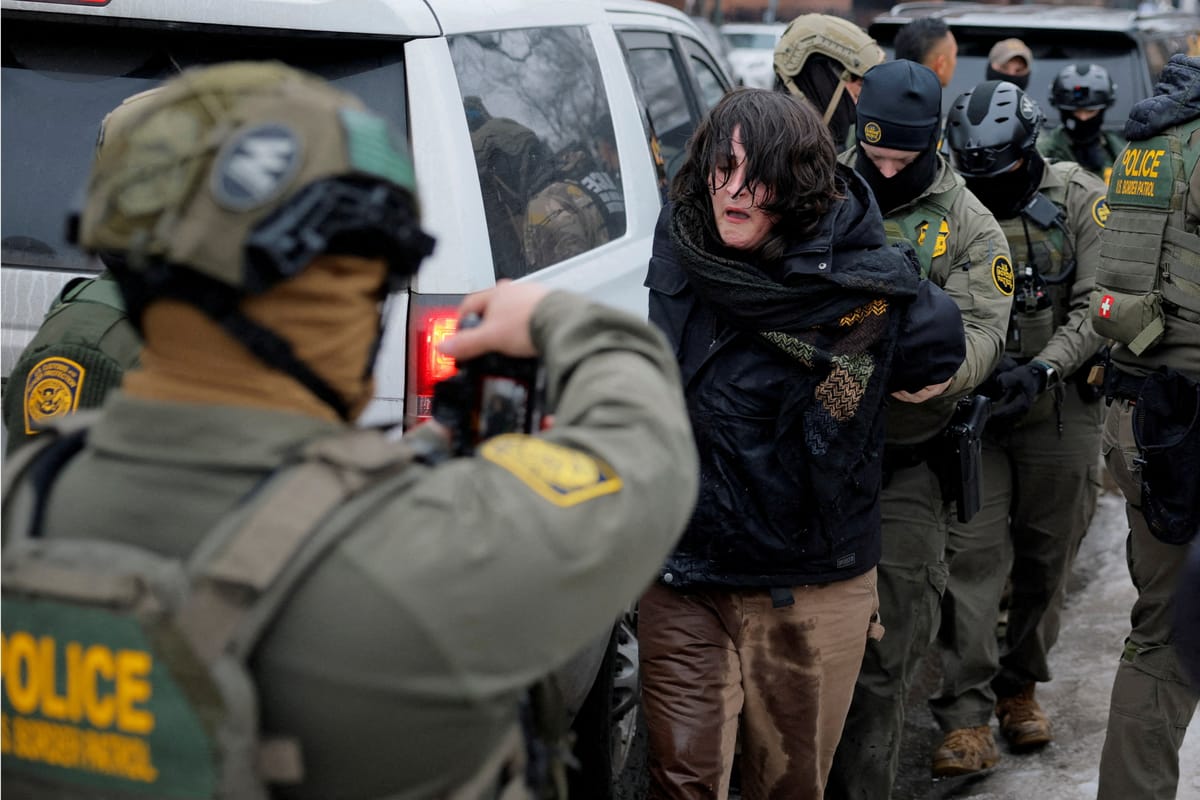
A Texas federal judge has turned down Minnesota's request to force the extradition of ICE special agent Christian Castro. Castro is facing state criminal charges after he allegedly shot a Minnesota resident in the leg while executing an immigration enforcement operation.
Minnesota officials argued that the alleged use of force violated state law and that Texas should hand the agent over for prosecution. Under the Constitution’s Extradition Clause, a state can request the return of a person charged with a crime in another state, but the request must be approved by the governor of the state where the individual is currently located. In this case, the Texas governor had not issued a formal request, and the judge found no legal basis to compel extradition without it.
The ruling means Castro will remain in Texas while the state’s criminal case proceeds. Prosecutors in Minnesota have filed charges ranging from assault with a dangerous weapon to unlawful use of force, alleging that the shooting was unnecessary and excessive. The agent has pleaded not guilty and is awaiting a preliminary hearing.
The decision highlights the growing friction between state authorities and federal immigration enforcement agencies. While ICE maintains that its agents act under federal authority to enforce immigration law, state officials increasingly assert that local jurisdictions should retain the power to hold agents accountable for alleged misconduct on their soil.
Legal experts note that the case could set a precedent for how interstate extradition requests involving federal law‑enforcement officers are handled. Until a formal request is made by Texas, or an appellate court overturns the decision, Castro’s legal fate will be determined by Texas courts, leaving Minnesota to pursue any further remedies through diplomatic or inter‑governmental channels.