US Postal Service advances mail‑in ballot limits despite court order
The agency announced new handling rules for absentee ballots even though a federal judge blocked the measures.
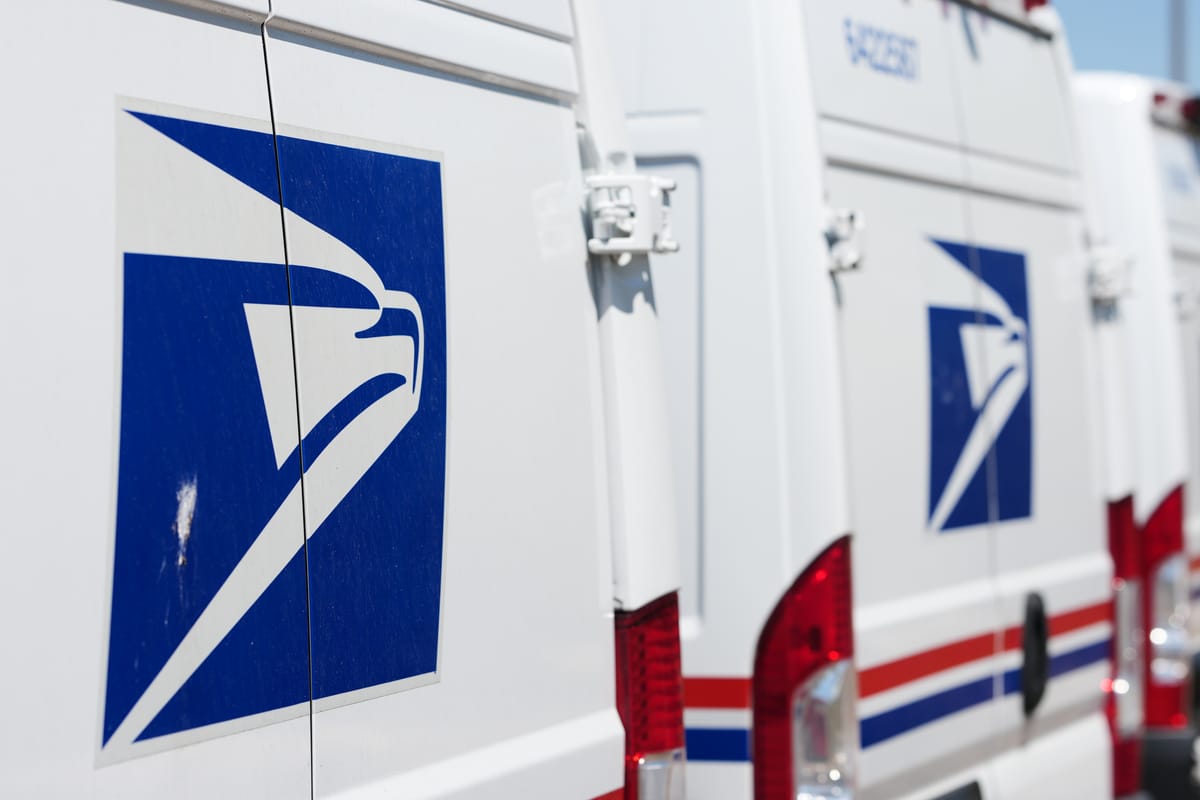
The United States Postal Service (USPS) has released a set of revised procedures that would tighten how mail‑in ballots are processed and delivered, despite a recent federal court ruling that barred the agency from imposing such restrictions. The changes, outlined in an internal memo circulated to regional managers, call for tighter cut‑off times for ballot receipt, stricter sorting protocols, and a reduction in the number of mail‑carrier routes handling election‑related mail.
The court decision, issued last month by a district judge, found that the proposed limitations could impede timely delivery of absentee ballots and potentially disenfranchise voters. The judge’s order specifically prohibited the USPS from implementing any policy that would delay ballot delivery beyond existing statutory deadlines. Nevertheless, the Postal Service’s leadership argued that the new rules are intended to improve operational efficiency and reduce costs, citing longstanding challenges in handling the surge of election‑related mail each cycle.
Legal analysts noted that the agency’s move sets up a direct conflict with the court’s injunction, raising the possibility of further litigation. If the USPS proceeds, it could face contempt sanctions or be required to revert to previous practices pending a higher‑court review. Election officials in several states have already expressed concern that the tightened timelines could strain already‑tight ballot‑return windows, especially in rural districts where mail service is slower.
The development comes amid heightened political pressure on mail‑in voting. Former President Donald Trump has repeatedly called for stricter controls on absentee ballots, arguing that tighter rules are needed to safeguard election integrity. Critics say the President’s stance fuels a broader effort to limit mail‑in voting, a method that saw unprecedented use in recent elections.
As the nation approaches the November ballot, the clash between the USPS’s operational agenda, judicial oversight, and political demands underscores the complex landscape surrounding absentee voting. Stakeholders from civil‑rights groups to state election boards are watching closely, awaiting how the legal dispute will resolve and what impact it may have on voter access.