US pressure on Iran could jeopardise Spain's saffron supply for paella
Trump administration threats to sanction Iran's trade partners risk disrupting the spice that flavors Spain's iconic dish.
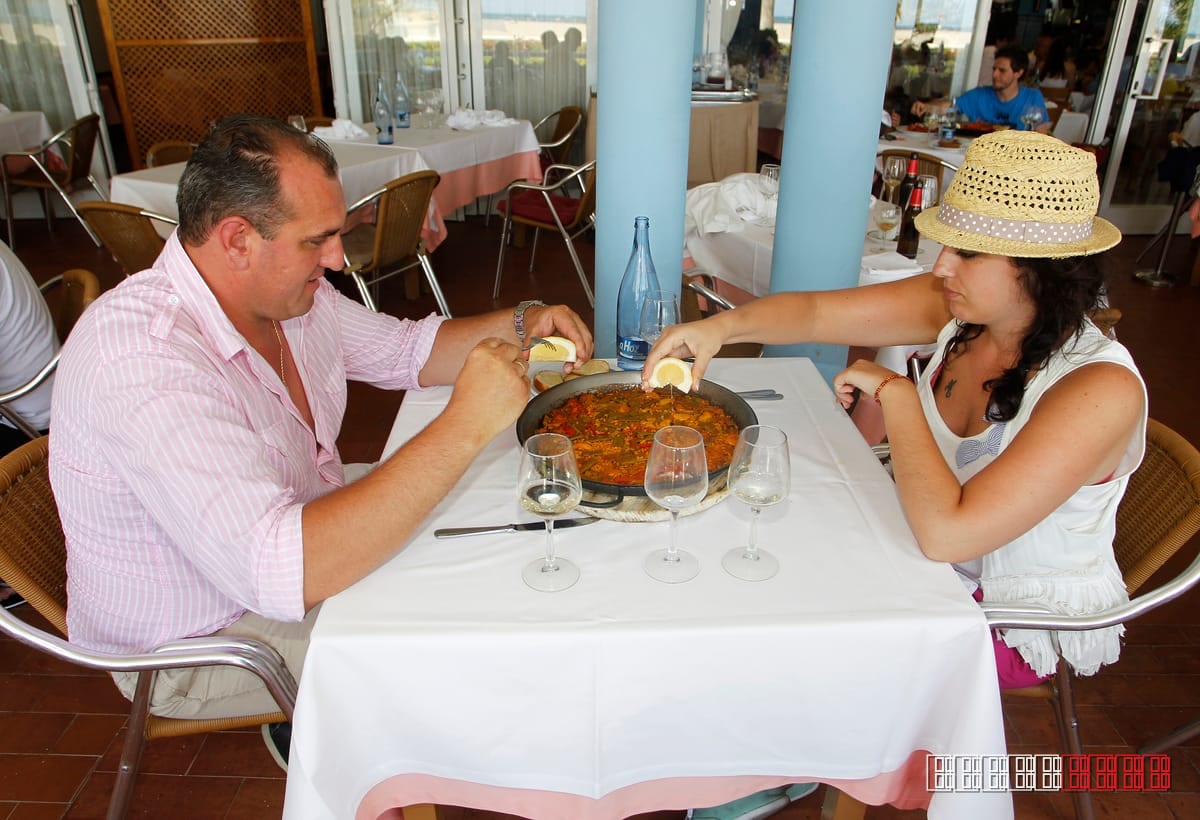
The Trump administration has signalled that it may impose secondary sanctions on firms that continue doing business with Iran, a move that could choke the flow of saffron to Spain, Al Jazeera reported. The United States says the punitive measures are intended to pressure Tehran over its nuclear programme, but analysts warn that the ripple effect may reach European food markets that rely on Iranian spice exports.
Iran is the world’s leading producer of saffron, accounting for roughly 90 % of global output, according to trade data cited by Al Jazeera. The country’s high‑altitude farms in the Khorasan region yield the crimson stigmas that fetch up to €10,000 per kilogram, making the spice one of the most expensive agricultural products on the planet. Any disruption to Iranian shipments would therefore have an outsized impact on countries that import the spice in bulk.
In Spain, saffron is a cornerstone of the beloved paella, especially the Valencian version that combines rice, seafood or meat with the vivid red threads to achieve its characteristic colour and aroma. Chefs and food exporters have warned that a shortage could force them to either raise prices dramatically or substitute cheaper, lower‑quality alternatives, potentially eroding the dish’s reputation abroad.
The situation echoes earlier episodes when U.S. sanctions on Iran led to collateral damage in unrelated sectors. For instance, European firms dealing in Iranian petrochemicals faced banking restrictions after secondary sanctions were introduced in 2018, prompting a scramble for alternative suppliers. Spain’s agricultural ministry has already begun scouting for saffron sources in Morocco and Greece, but those markets lack the scale and price competitiveness of Iranian production.
If the United States proceeds with its threat, the immediate fallout could be felt in Spanish markets within weeks, as import contracts are often tied to quarterly shipments. Longer‑term, the episode may accelerate a shift toward diversifying Spain’s spice supply chain, a strategic move that could reshape global saffron trade patterns.
Stakeholders are watching closely, balancing diplomatic pressures against culinary tradition. While the U.S. aims to tighten economic levers on Tehran, the unintended consequence could be a tangible change to the flavor of Spain’s most famous rice dish.
This report is based on original reporting by Al Jazeera. Read the original source →