US sanctions 60 firms tied to Iran's oil, weapons and cyber sectors
The Treasury announced a new round of restrictions on dozens of Iranian and foreign entities linked to Tehran's illicit activities.
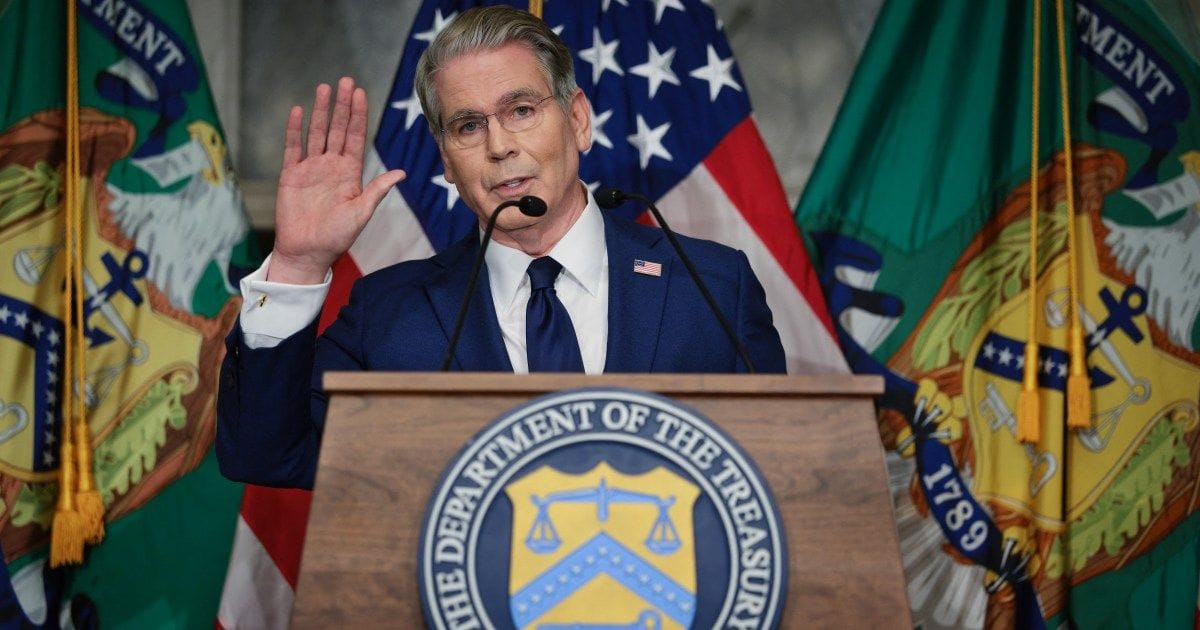
The United States has rolled out a fresh slate of sanctions that place 60 companies and organizations under strict financial prohibitions. The measure, announced by the Treasury Department’s Office of Foreign Assets Control, targets a mix of Iranian firms and overseas partners accused of supporting Tehran’s oil exports, weapons development and cyber‑operations.
According to the administration, the entities are believed to facilitate revenue streams that fund Iran’s missile program and other destabilising activities. By cutting off access to the U.S. financial system, the sanctions aim to choke the flow of money that sustains the production of drones, ballistic missiles and sophisticated hacking tools.
The list spans a variety of sectors. Several Iranian oil service companies, shipping agents and logistics providers are named for allegedly evading existing export controls. In addition, manufacturers of missile components and drone parts are included, reflecting ongoing concerns about Iran’s expanding unmanned‑air capabilities. Cyber‑related targets feature firms that have been linked to high‑profile intrusion campaigns against regional infrastructure and Western corporations.
Foreign actors are not exempt. The Treasury identified a number of overseas firms—primarily in the United Arab Emirates, Turkey and China—that are suspected of acting as intermediaries, moving funds or providing technical expertise to the sanctioned Iranian network. By extending the reach of U.S. sanctions beyond Iran’s borders, officials hope to deter third‑party assistance and signal that any support for prohibited activities will carry significant penalties.
The new sanctions come amid heightened diplomatic tension over Iran’s nuclear commitments and its regional activities. While the administration stresses that the measures are a direct response to illicit behavior, critics argue that the broad scope could further strain economic ties and complicate humanitarian efforts. The affected entities now face asset freezes, travel bans for associated individuals and a prohibition on U.S. persons conducting transactions with them.
Businesses and individuals with potential exposure are urged to conduct thorough compliance checks. Violations can result in civil penalties or criminal prosecution, underscoring the government’s intent to enforce the restrictions rigorously.