Vance outlines Trump's three‑pronged approach to Iran
U.S. national security adviser Jake Vance says economic sanctions, military force and covert actions form the core of Trump’s Iran strategy.
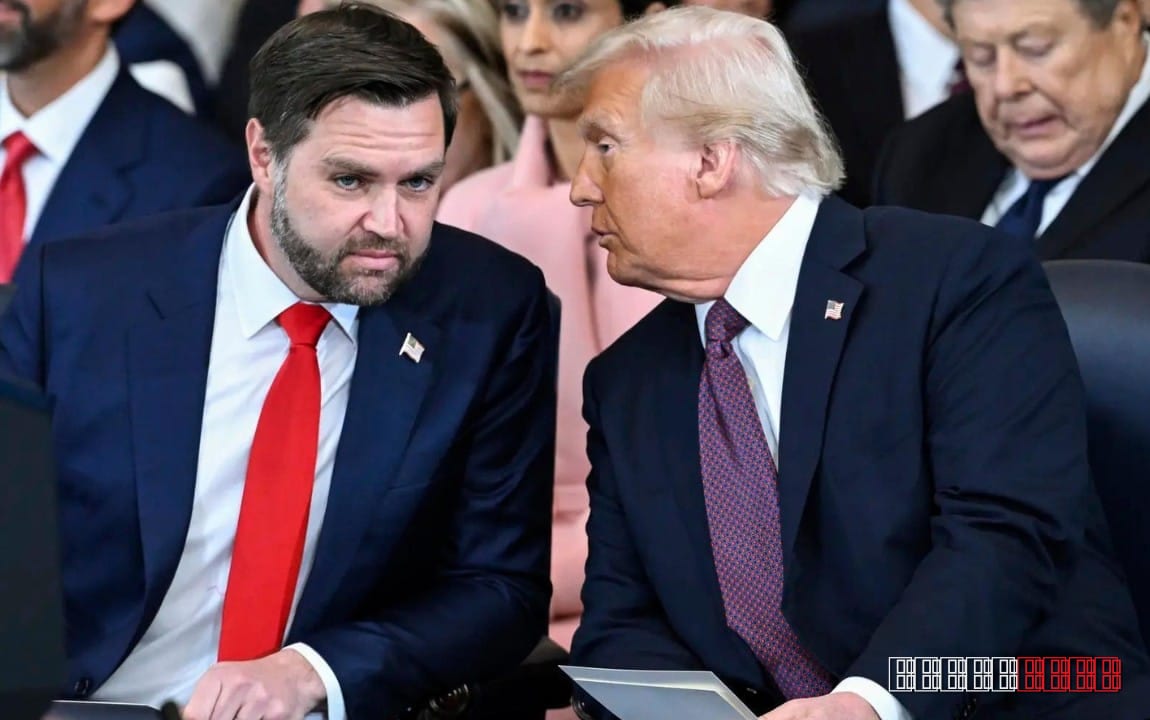
U.S. national security adviser Jake Vance told reporters that President Donald Trump’s options for confronting Tehran fall into three categories – economic pressure, direct military action and covert operations – according to the Times of India. Vance said the administration is weighing each lever based on Tehran’s behavior and Washington’s broader strategic goals.
The adviser emphasized that sanctions remain the first line of defense, noting that the United States has already re‑imposed a suite of financial and oil restrictions after pulling out of the 2015 nuclear deal. "Economic tools are the most flexible and can be calibrated without immediate loss of life," Vance remarked, as reported by the Times of India.
If sanctions fail to curb Iran’s regional activities, Vance indicated that the president could consider limited strikes against key military sites. He cautioned that any kinetic move would require clear objectives and a defined exit strategy to avoid a wider conflict.
Beyond overt force, Vance highlighted the role of covert measures such as cyber‑operations and intelligence‑driven actions. He suggested that these hidden tools can disrupt Iranian command‑and‑control networks without the political fallout of a public war.
Background Since the United States withdrew from the Joint Comprehensive Plan of Action in 2018, Washington has pursued a “maximum pressure” campaign aimed at curbing Iran’s nuclear ambitions and its influence across the Middle East. Successive administrations have used sanctions to choke Iran’s oil revenue, while occasional missile strikes, such as the 2020 attack on a weapons depot in Iraq, have signaled a willingness to use force. Covert actions, including cyber attacks like the 2019 Stuxnet‑type operations, have also featured in the U.S. playbook.
India watches these developments closely. Tehran supplies a significant share of crude oil to Indian refineries, and any escalation could disrupt energy supplies and affect market prices. New Delhi has repeatedly called for diplomatic de‑escalation, urging both Washington and Tehran to return to dialogue.
Vance concluded that the administration remains flexible, ready to shift between economic, military and covert levers as circumstances evolve. The exact mix of tools will likely depend on Tehran’s compliance with U.S. demands and the geopolitical calculations of Washington’s allies, including India.
This report is based on original reporting by Times of India. Read the original source →