Venezuela’s Ruling Party and Opposition Set Up Committee to Overhaul Supreme Court Selection
Both sides have agreed to form a joint panel to examine how justices are appointed, aiming for a more transparent judiciary.
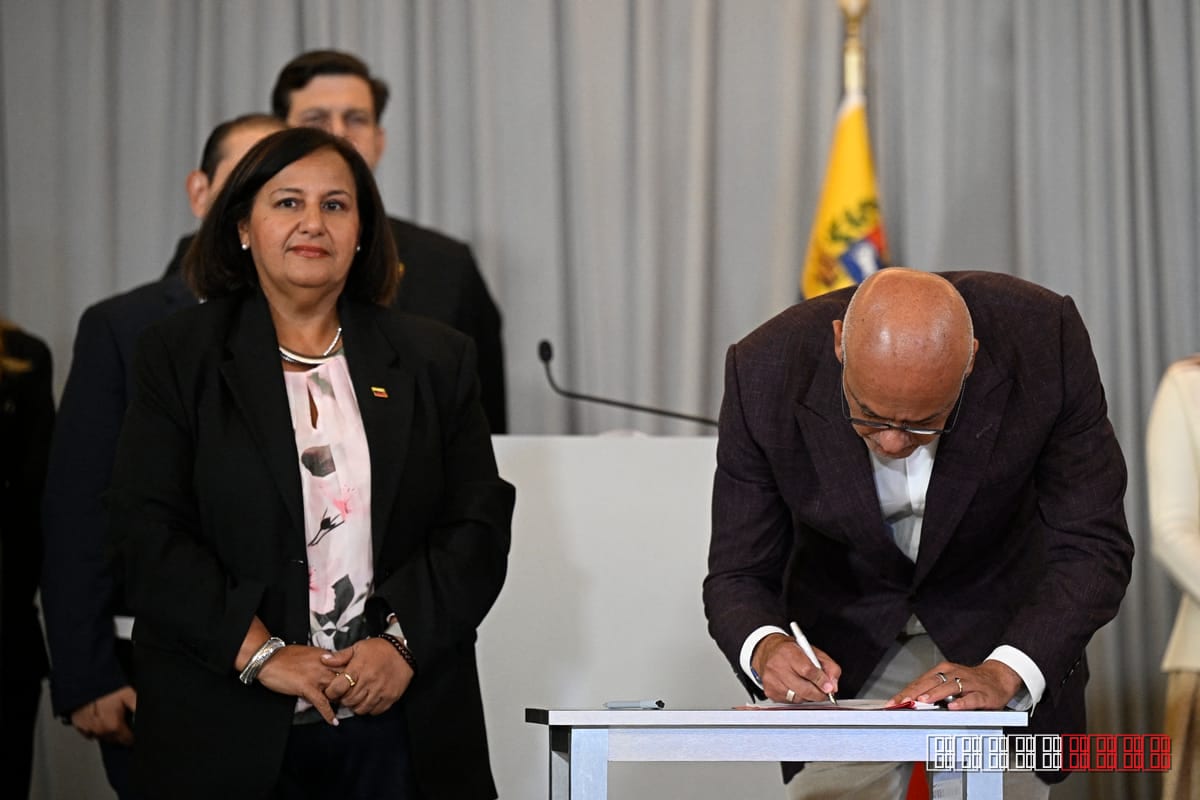
The government of Venezuela and the main opposition coalition announced on Tuesday that they will work together to reform the country’s highest court, the Supreme Court of Justice (TSJ). A joint committee has been created to review the process by which candidates are selected for the TSJ, a move described by Al Jazeera as a rare instance of cooperation between the two rivals.
According to Al Jazeera, the committee will be composed of equal numbers of representatives from the ruling United Socialist Party and the opposition parties, with a neutral legal expert appointed to chair the group. Its mandate includes auditing past appointment procedures, proposing new criteria for candidate eligibility, and drafting a transparent shortlist for future nominations. The panel is expected to deliver its first report within six months, after which the legislature will debate any recommended changes.
The TSJ has long been a flashpoint in Venezuela’s political crisis. Critics have accused the court of functioning as a tool for the executive, especially after a 2022 overhaul that allowed the president to appoint a majority of its members. International observers and human‑rights groups have repeatedly flagged the court’s rulings as biased, contributing to the erosion of judicial independence and fueling sanctions from the United States and the European Union. Past attempts to modify the court’s composition have stalled amid deep mistrust between the ruling party and opposition forces.
If successful, the reform could mark a turning point for Venezuela’s fragile democratic transition. A more impartial judiciary is seen as essential for restoring public confidence, unlocking stalled negotiations on economic aid, and potentially easing some of the external pressure that has kept the country isolated. Analysts note that while the committee’s work is a positive signal, its impact will depend on the political will of both sides to implement any recommendations.
The next steps involve the committee’s initial fact‑finding mission, followed by a public consultation period that will allow civil‑society groups to weigh in. Should the legislature adopt the proposed changes, the new selection framework could be codified into law before the end of 2027, paving the way for a refreshed bench of justices perceived as more independent from partisan influence.
This report is based on original reporting by Al Jazeera. Read the original source →