Violent Surge in Forced Conscription Sparks Concern Across Ukraine
Escalating coercive recruitment tactics, dubbed “busification,” are prompting alarm over abuse and corruption in Ukraine’s military enlistment drives.
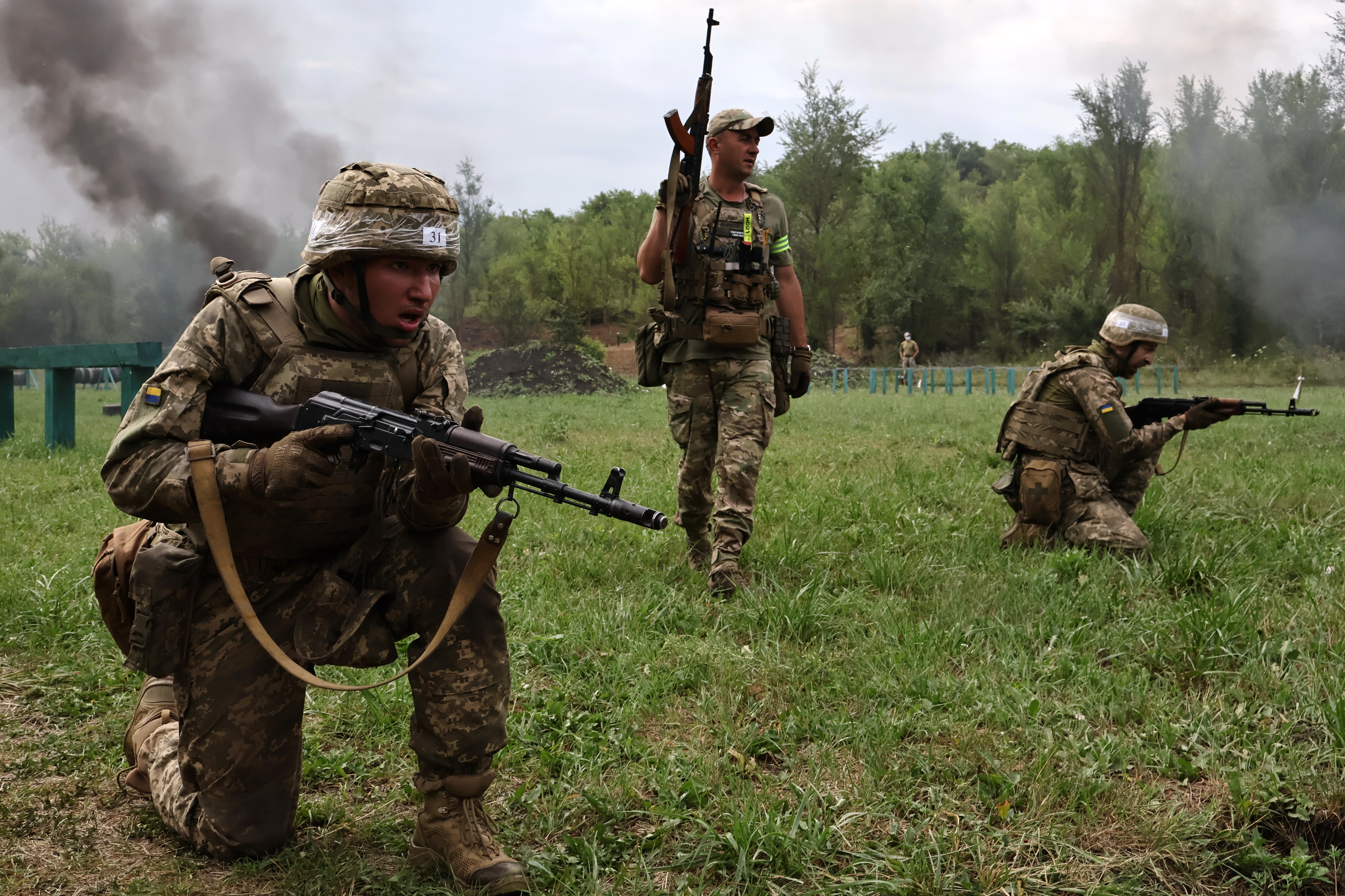
Reports from multiple regions of Ukraine indicate a troubling rise in forced military recruitment, with incidents of violence becoming increasingly common. The practice, which locals have begun to label “busification,” refers to the forcible removal of individuals from public streets and their subsequent transport to enlistment centers. Witnesses describe a pattern of intimidation, physical coercion, and, in some cases, outright assault by recruiters seeking to meet manpower quotas.
Human‑rights groups and community leaders have voiced growing unease, noting that the surge in compulsory enlistment appears linked to broader systemic corruption. Allegations suggest that some officials may be exploiting the recruitment process for personal gain, leveraging the threat of violence to fill ranks while sidestepping legal enlistment procedures. The term “busification” has spread through social media and local networks, encapsulating the fear that ordinary citizens can be seized without warning and compelled to serve.
The Ukrainian Ministry of Defense has responded by stating that all recruitment must adhere to national law and that any unlawful coercion will be investigated. However, documented cases continue to emerge, highlighting a gap between official policy and on‑the‑ground realities. Families of those taken report limited avenues for recourse, often confronting bureaucratic obstacles when attempting to locate or release detained relatives.
International observers are monitoring the situation closely, warning that forced conscription could exacerbate existing humanitarian challenges in the conflict‑affected country. The United Nations has called for transparent reporting mechanisms and urged Ukrainian authorities to protect civilians from involuntary military service. Meanwhile, civil‑society organizations are mobilising legal aid and counseling services for victims, aiming to curb the spread of “busification” and restore confidence in the recruitment system.
As the conflict endures, the balance between military needs and respect for individual rights remains a contentious issue. Stakeholders across the political spectrum are being pressed to address the root causes of forced enlistment, including the alleged corruption that fuels it, before the practice spirals further out of control.