Walmart reports sales decline amid rising fuel costs and weaker US spending
Higher gasoline prices and cautious consumer wallets have slowed growth for the retail giant.
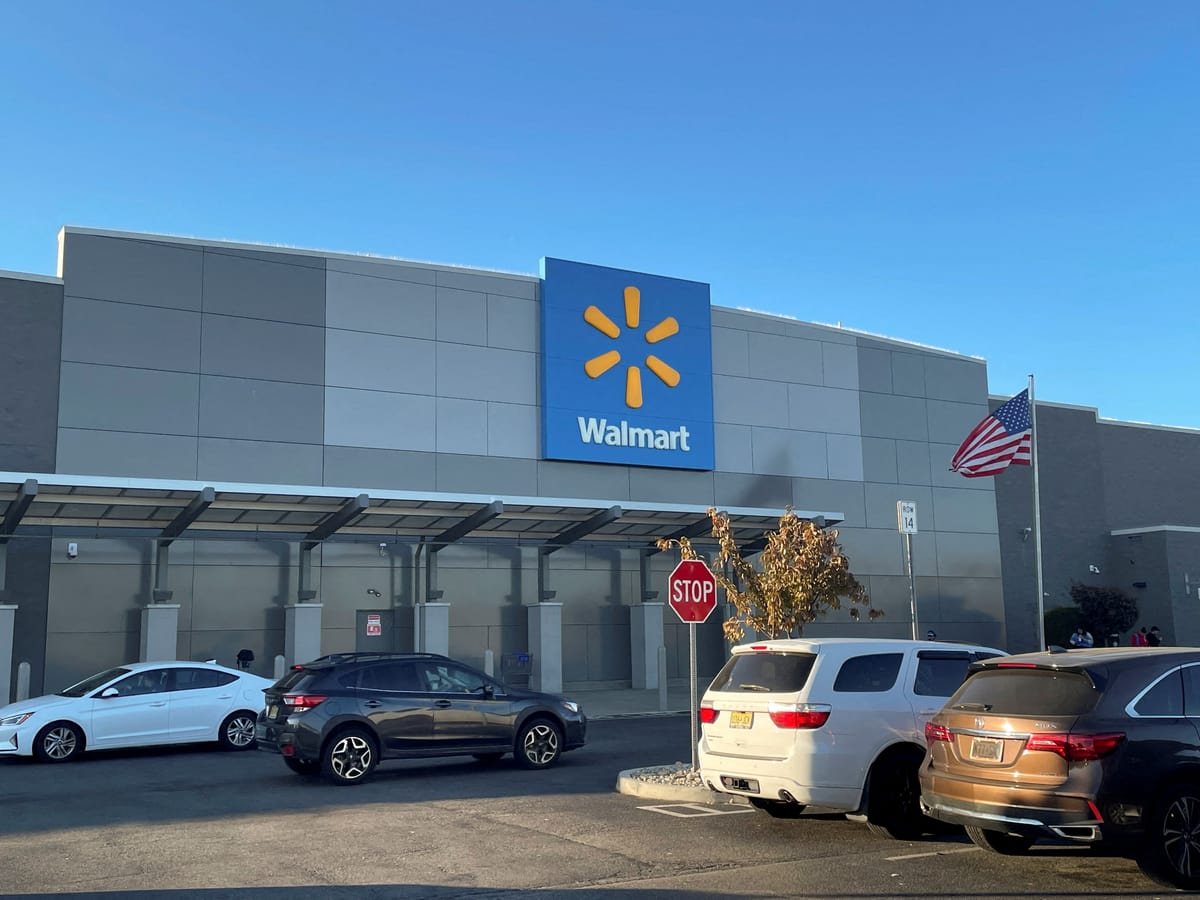
Walmart announced a dip in its latest sales figures, reflecting a broader pullback in U.S. consumer spending. The retailer’s earnings report highlighted that the slowdown coincided with gasoline prices climbing above $4 a gallon, a level that many shoppers find difficult to absorb.
Analysts note that when fuel costs rise, households often re‑evaluate discretionary purchases, shifting spending toward essentials and away from higher‑margin items. For Walmart, whose business model relies on high volume and low‑price offerings, the shift translates into fewer trips to the store and reduced basket sizes. The company said the combination of tighter budgets and higher transportation costs has tempered the growth it experienced in previous quarters.
The decline comes at a time when the broader U.S. economy is grappling with persistent inflationary pressures. While wages have shown modest gains, they have not kept pace with the surge in energy prices, prompting many families to prioritize basic needs such as food and fuel over non‑essential goods. Walmart’s own data indicated that sales of higher‑priced categories, including electronics and apparel, fell more sharply than staple items.
Despite the setback, Walmart remains the nation’s largest retailer and continues to invest in its e‑commerce platform and supply‑chain efficiencies. Executives emphasized that the company is adapting its inventory and promotional strategies to better align with the current spending environment, aiming to capture value from price‑sensitive shoppers.
Looking ahead, the retailer warned that further volatility in fuel markets could keep consumer confidence subdued. However, it also pointed to potential upside from its ongoing price‑match initiatives and expanding grocery footprint, which may help offset the headwinds if shoppers continue to seek affordable options.