Wassim al-Assad handed death penalty over Syrian war crimes
A Syrian court sentenced Wassim al-Assad to death, marking the second high‑profile death sentence in the conflict after Bashar al-Assad’s recent ruling.
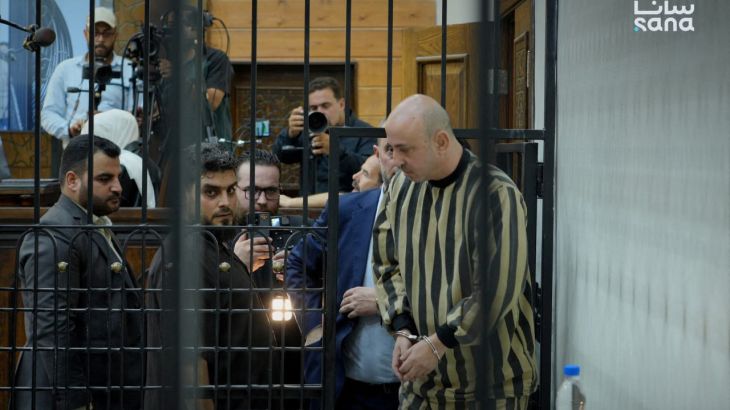
Wassim al-Assad, a member of Syria’s ruling family, was sentenced to death by a Syrian court for alleged involvement in war atrocities committed during the country’s decade‑long conflict. The verdict was delivered this week, just seven days after a separate tribunal sentenced former President Bashar al-Assad to the same penalty for his role in the war.
The court’s decision stems from accusations that Wassim al-Assad participated in or facilitated acts that violated international humanitarian law, including attacks on civilian populations and the use of prohibited weapons. While the exact charges were not disclosed in detail, officials said the sentencing reflects a broader effort to hold senior figures accountable for the suffering endured by millions of Syrians.
Human‑rights organisations have welcomed the ruling as a step toward justice, noting that the Syrian conflict has left an estimated half a million dead and displaced more than half of the country’s pre‑war population. They stressed, however, that the path to lasting accountability remains uncertain, given the fragmented nature of Syria’s legal institutions and the ongoing political instability.
The sentencing of Wassim al-Assad also underscores the growing pressure on the Assad family, whose members have been implicated in a range of alleged crimes, from mass detentions to chemical‑weapon attacks. International bodies, including the United Nations and the International Criminal Court, have repeatedly called for comprehensive investigations, but jurisdictional challenges have hampered formal proceedings.
Reactions within Syria have been mixed. Some supporters of the regime dismissed the verdict as politically motivated, while opposition groups hailed it as a symbolic victory. The death sentence, like that of Bashar al-Assad, is unlikely to be carried out immediately, and the legal process may involve appeals or further review.
The developments arrive at a time when the Syrian war, now in its twelfth year, continues to dominate discussions on post‑conflict reconstruction, refugee returns, and regional stability. The international community watches closely to see whether these high‑profile sentences will translate into broader mechanisms for justice and reconciliation.