White House denies MS NOW reporters entry after Trump’s media ban
MS NOW journalists were turned away from the White House on Saturday, following former President Donald Trump’s decision to bar three outlets from covering the administration.
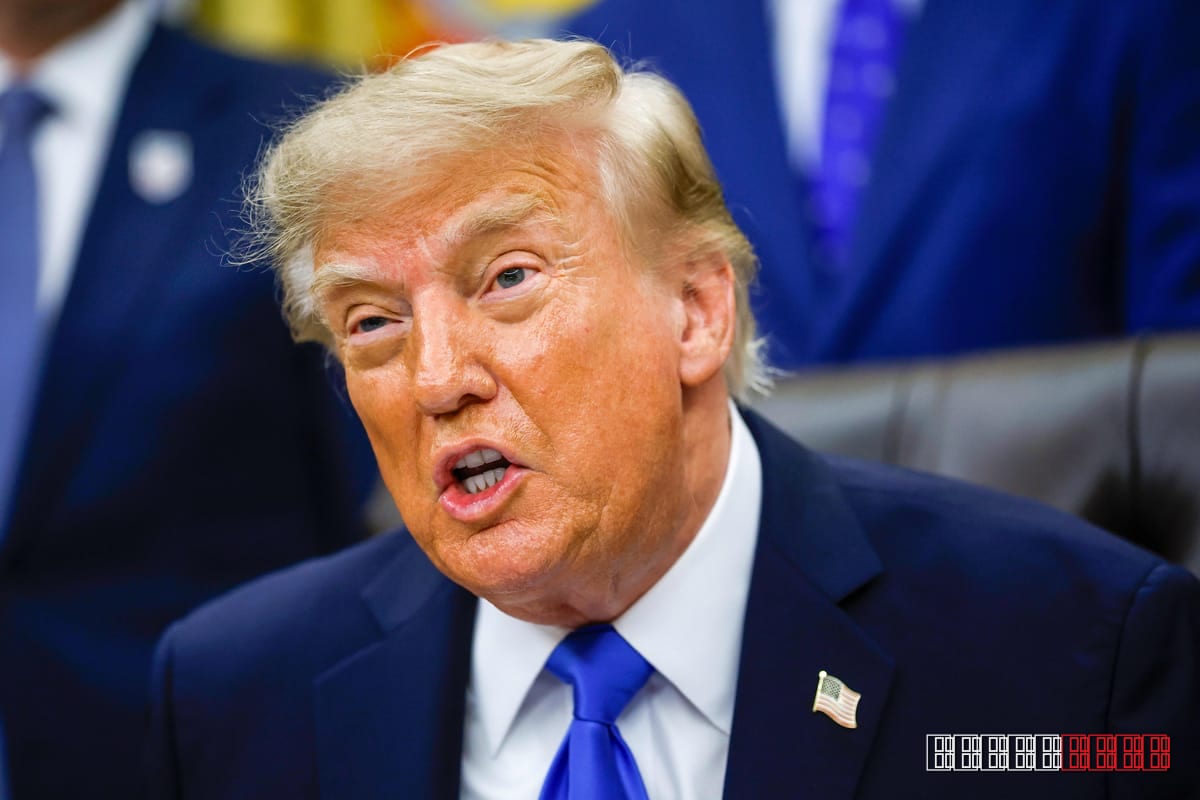
Journalists from the digital outlet MS NOW arrived at the White House early Saturday but were stopped at the gate, unable to file their usual reports on the administration’s activities. The denial came just a day after former President Donald Trump announced a ban on three media organizations, including MS NOW and CNN, accusing them of biased coverage (CNBC reported).
Trump’s move marks the latest escalation in a long‑standing feud between the former president and news outlets that have been critical of his policies and statements. During his 2016 campaign and subsequent presidency, Trump frequently labeled mainstream media as “fake news” and threatened to curtail press access. The current ban extends that pattern, effectively barring the three outlets from receiving official briefings, press releases, and on‑site coverage of White House events.
The White House press corps operates under a credentialing system that historically grants any outlet meeting basic journalistic standards access to the executive branch. While the president can influence which outlets receive briefings, outright exclusion of accredited journalists is unusual and raises questions about transparency. Media watchdog groups have warned that such actions could set a precedent for future administrations to limit coverage based on editorial stance.
For MS NOW staff, the immediate impact is the loss of real‑time information that informs their reporting on policy decisions, appointments, and diplomatic engagements. Larger outlets like CNN face similar hurdles, potentially reshaping how the public receives news about the White House. The ban also forces journalists to rely more heavily on secondary sources, leaked documents, or on‑the‑ground reporting from other credentialed reporters.
Industry analysts note that the ban could have commercial repercussions. Advertisers may reconsider placements on the affected platforms, and the outlets could see a dip in audience engagement if they are perceived as less authoritative on government affairs. However, some commentators argue that the move may boost viewership among audiences skeptical of mainstream narratives, further polarizing the media landscape.
The situation remains fluid, with legal experts suggesting that the affected outlets could challenge the ban in court, citing First Amendment protections. Until a resolution is reached, the White House press pool will continue without representation from the barred organizations, leaving a noticeable gap in the diversity of voices reporting from the nation’s capital.
This report is based on original reporting by CNBC. Read the original source →