World Leaders Grapple with Unity Prospects at This Year’s UN General Assembly
Delegates convene in New York, urging cooperation while confronting deep geopolitical divides.
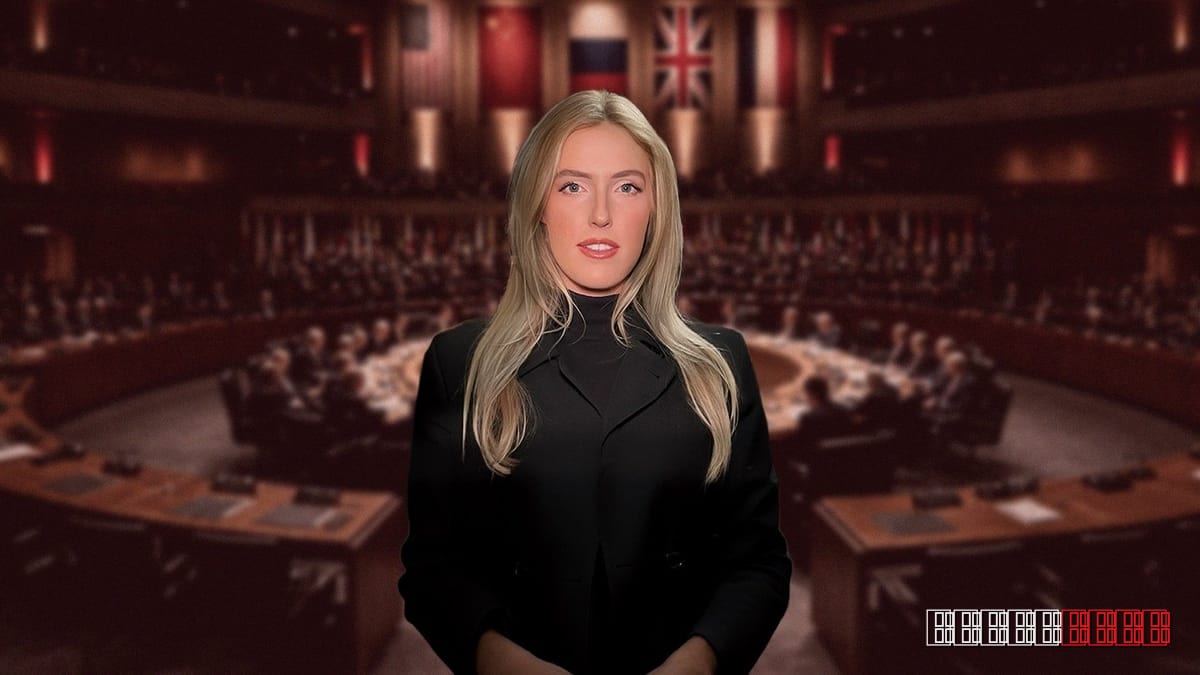
The opening session of the United Nations General Assembly (UNGA) saw representatives from virtually every nation on the planet take the floor, each outlining their vision for a more collaborative international order. Al Jazeera reported that the debate began with a clear message: cooperation is the overarching goal for the assembly, even as participants questioned its feasibility in the current climate of tension.
Speakers highlighted a range of issues, from climate change and pandemic preparedness to regional conflicts and trade disputes. While some leaders called for immediate joint action, others warned that entrenched rivalries could stall progress. The diversity of viewpoints underscored the UNGA’s role as a forum where even the most divergent voices must be heard.
The push for cooperation is not new. Since its inception in 1945, the General Assembly has served as the primary venue for all 193 member states to discuss global challenges. Historically, the UNGA’s resolutions are non‑binding, yet they often shape diplomatic discourse and set the agenda for subsequent negotiations in other UN bodies. Past assemblies have produced landmark agreements on decolonization, disarmament, and the Sustainable Development Goals, demonstrating that collective action, though difficult, is possible when political will aligns.
However, the current geopolitical landscape presents fresh obstacles. Ongoing wars, sanctions regimes, and competing economic interests have strained traditional alliances. Analysts note that the rise of great‑power competition, particularly between the United States, China, and Russia, complicates consensus‑building. Moreover, climate emergencies and humanitarian crises demand swift, coordinated responses, raising the stakes for any cooperative framework.
Observers suggest that the UNGA’s real test will be its ability to translate rhetorical commitments into concrete mechanisms. Whether through new funding initiatives, joint peace‑keeping mandates, or coordinated climate finance, the assembly’s success hinges on follow‑through after the plenary sessions conclude. As the debate continues, the world watches to see if the lofty ideal of cooperation can move beyond symbolism and become actionable policy.
Al Jazeera’s coverage captures the tension between aspiration and realism, reminding readers that while the UNGA provides a unique platform for dialogue, the path to genuine unity remains fraught with challenges.
This report is based on original reporting by Al Jazeera. Read the original source →