Xi Jinping's Egyptian tour marks a new chapter in Beijing's Middle East outreach
The Chinese president's first visit to Egypt in ten years signals Beijing's push for deeper ties as U.S. influence wanes in the region.
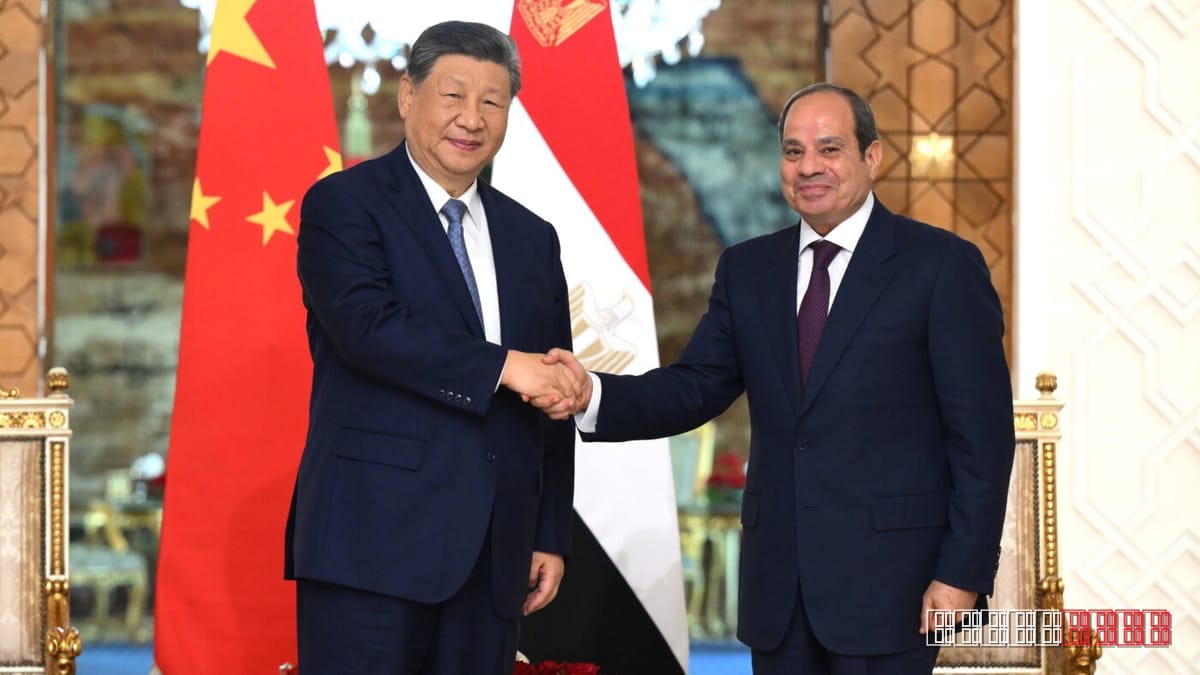
Chinese President Xi Jinping arrived in Cairo this week, embarking on his first trip to Egypt since 2016, according to NPR. The three‑day visit includes meetings with President Abdel Fattah el‑Sisi, a tour of the ancient city of Luxor, and the signing of several economic agreements aimed at expanding trade and infrastructure cooperation.
During the opening ceremony, Xi highlighted the “comprehensive strategic partnership” that has underpinned Sino‑Egyptian relations since 2014, noting that both nations share a commitment to “mutual development and stability.” The agreements cover sectors ranging from renewable energy to digital technology, and a new Belt and Road Initiative corridor is slated to link the Red Sea port of Suez with Chinese manufacturing hubs.
The timing of the trip is notable. U.S. policymakers are currently preoccupied with a protracted conflict in Iran, which has strained Washington’s capacity to project power across the Middle East. NPR reported that Beijing views the reduced American presence as an opening to deepen its diplomatic and economic footprint in the region, a strategy that has already manifested in increased Chinese investments in Saudi Arabia, the United Arab Emirates and Jordan.
Historically, China’s engagement with Egypt has oscillated between modest trade deals and larger infrastructure projects, such as the 2016 agreement to build a new power plant in the Suez Canal Economic Zone. The current visit builds on that foundation, with analysts noting that Egypt’s strategic location—controlling the Suez Canal and serving as a gateway to Africa—makes it a pivotal partner for any power seeking influence over maritime trade routes.
Experts caution that while the agreements promise economic benefits, they also raise questions about debt sustainability and geopolitical balance. Egypt’s borrowing from Chinese banks has grown steadily, prompting some observers to warn of a potential “debt trap.” Nonetheless, the Egyptian leadership appears eager to diversify its partnerships, seeking alternatives to traditional Western aid amid a shifting global order.
The trip concludes with a cultural exchange program, featuring a Chinese art exhibition in Cairo and a joint statement reaffirming support for multilateralism. As Xi departs, the world will watch how this deepening Sino‑Egyptian relationship reshapes the power dynamics of the Middle East and beyond.
This report is based on original reporting by NPR. Read the original source →