Yemen's interim president calls for new recruits and promises clemency to former Houthi fighters
Rashad al‑Alimi announced a recruitment drive and an amnesty scheme for Houthi defectors in his first address after setbacks on the Red Sea coast.
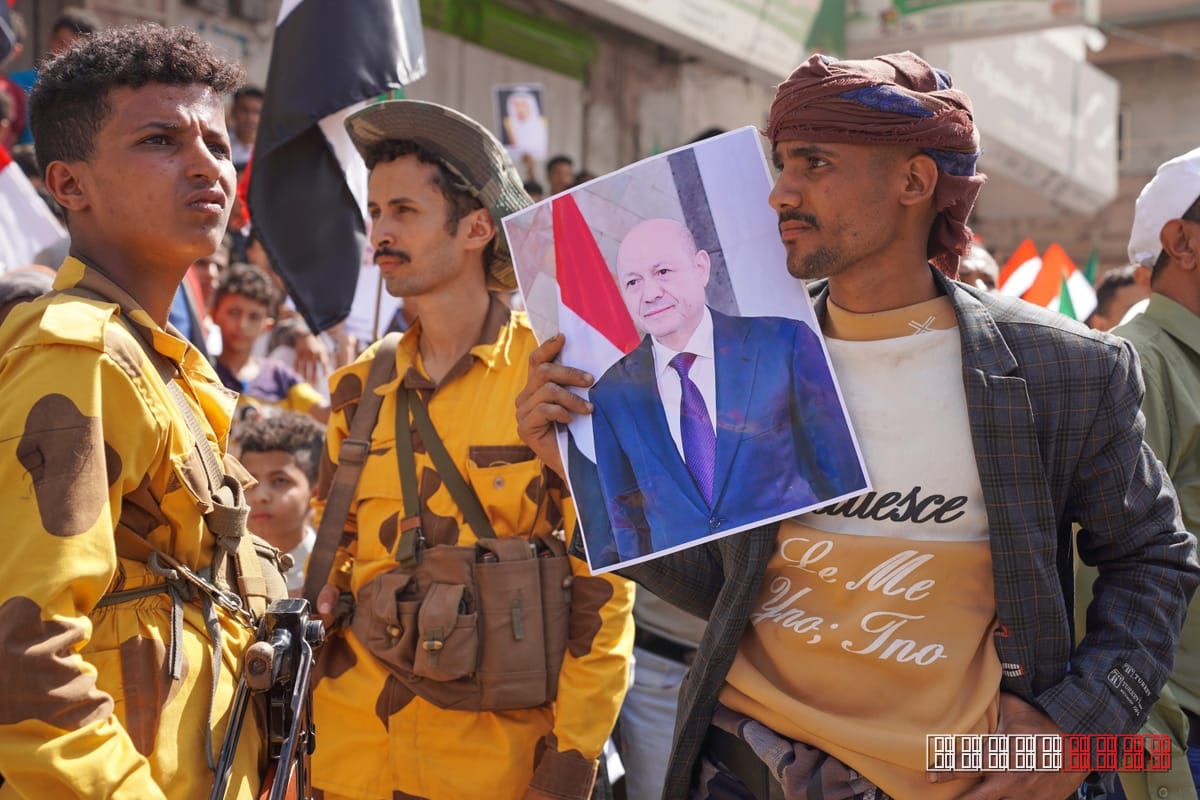
In a televised address on Tuesday, Yemen’s interim president Rashad al‑Alimi appealed to citizens to join the nation’s armed forces and pledged a blanket amnesty for anyone leaving the Houthi movement. Al Jazeera reported that the speech marked al‑Alimi’s first public appearance since his forces suffered a series of setbacks along the western Red Sea shoreline.
Al‑Alimi outlined that the amnesty would apply to former Houthi combatants who lay down their arms and submit to the government’s verification process. Those who accept the offer would be exempt from prosecution for past hostilities and could receive assistance to reintegrate into civilian life, the broadcaster said. The president urged young Yemenis to enlist, emphasizing that the country needs “patriotic volunteers” to defend its sovereignty and restore stability.
The call comes amid a protracted civil war that has torn Yemen apart since 2014, when Houthi rebels seized the capital, Sana’a, and forced the internationally recognized government into exile. In recent months, the Saudi‑backed coalition, which supports al‑Alimi’s administration, has reported losing strategic footholds on the Red Sea coast, a vital corridor for humanitarian aid and commercial shipping. The loss of these positions has heightened concerns about the coalition’s ability to secure maritime routes and protect the nation’s dwindling oil revenues.
By offering amnesty, al‑Alimi hopes to weaken the rebel ranks and encourage defections that could shift the balance of power. Former fighters who accept the pardon may gain access to vocational training, financial aid, and the possibility of joining the national army. The recruitment drive also aims to replenish depleted security forces that have suffered casualties and desertions throughout the conflict.
International observers have noted that such offers are not unprecedented in Yemen’s war. Previous ceasefire negotiations and local truces have included similar provisions, though implementation has often been uneven. Analysts suggest that the current initiative could be a pragmatic step to reduce violence, provided that verification mechanisms are transparent and that defectors receive credible support. The United Nations has repeatedly called for inclusive political solutions, and a successful amnesty could create a modest opening for broader dialogue.
Al‑Alimi concluded his speech by urging Yemenis to view the enlistment call and amnesty as a collective effort to rebuild a war‑torn nation. The government plans to set up registration centers in major cities within the coming weeks, and officials say they will coordinate with humanitarian agencies to monitor the process.
This report is based on original reporting by Al Jazeera. Read the original source →