ABC alleges FCC retaliation in new First Amendment lawsuit
The network claims the commission’s probe and early license renewal request punish its programming choices.
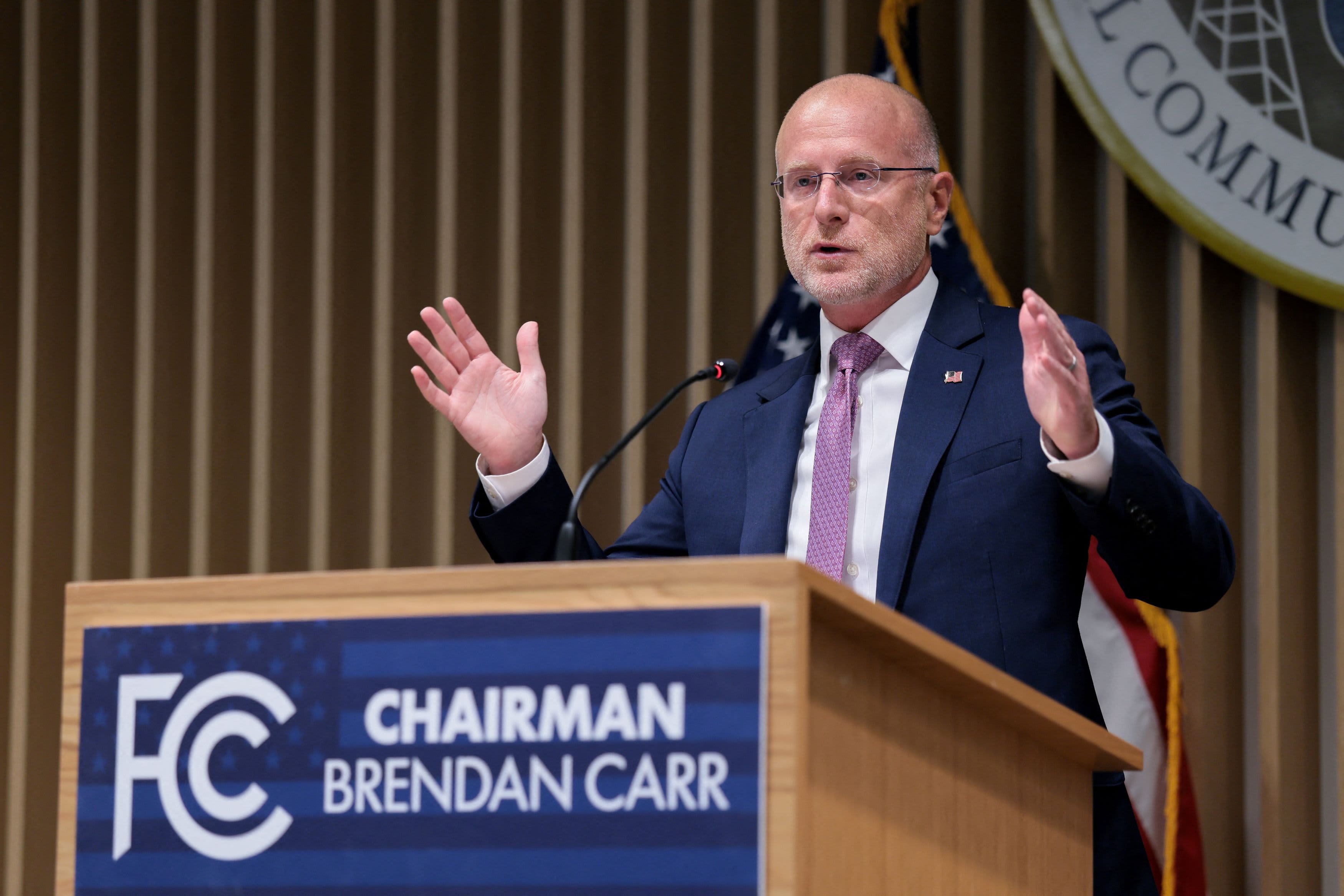
ABC, the flagship broadcast network owned by Disney, has filed a federal lawsuit asserting that the Federal Communications Commission is targeting the channel in retaliation for its content. The complaint, lodged in a Washington district court, accuses the FCC of launching an investigation and demanding an early renewal of ABC’s broadcast licenses as punitive measures tied to the network’s programming decisions.
The lawsuit invokes the First Amendment, arguing that the commission’s actions constitute a chilling effect on the network’s editorial freedom. ABC’s legal team contends that the FCC’s scrutiny is not grounded in legitimate regulatory concerns but is instead a response to the network’s coverage of politically sensitive topics. The filing seeks a court order halting the FCC’s investigation and restoring the standard license renewal timeline.
The FCC, which oversees the nation’s broadcast spectrum, has the authority to examine licensees for compliance with rules on public interest, competition and technical standards. However, the network’s filing claims the commission is overstepping that mandate by using its regulatory powers to punish a broadcaster for the viewpoints expressed in its shows and news programs.
Legal experts note that First Amendment challenges to FCC actions are rare but not unprecedented. Past cases have examined whether the agency’s enforcement can be deemed content‑based discrimination. ABC’s case could set a precedent for how closely the FCC can tie licensing decisions to a broadcaster’s editorial choices.
If successful, ABC could secure a ruling that limits the FCC’s ability to intervene in programming matters, reinforcing protections for broadcasters under the Constitution. The outcome may also influence how other media companies respond to regulatory scrutiny that they perceive as politically motivated.