African Nations Still Blocked from Securing Permanent UN Security Council Seats
At UNGA81, African leaders pressed for permanent membership and veto power on the Security Council, but deep divisions keep the reform agenda stalled.
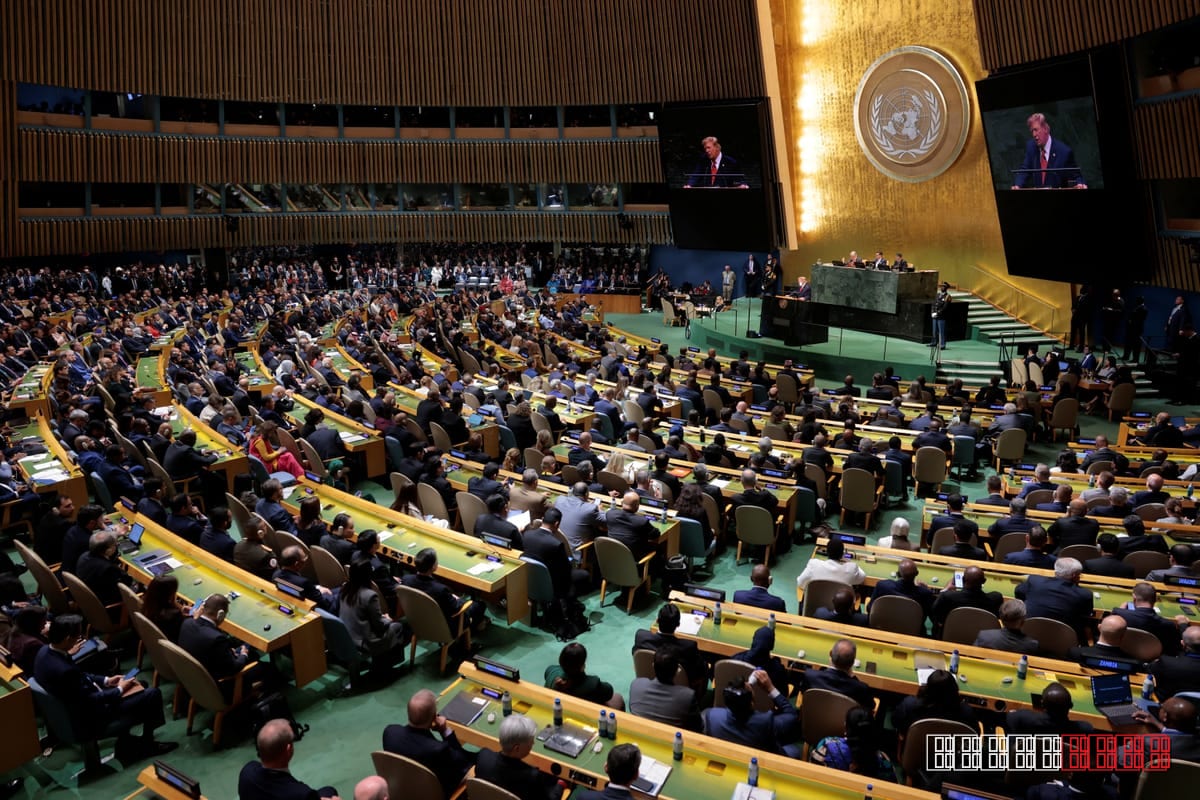
During the 81st session of the United Nations General Assembly, representatives from African states renewed their call for permanent seats – complete with veto authority – on the Security Council. Al Jazeera reported that despite a coordinated push, member states could not bridge the gaps that have long stalled the proposal.
The African Group is seeking at least two permanent seats, arguing that the continent’s contribution to peacekeeping, conflict resolution and development warrants a stronger voice in the world body’s most powerful organ. Current arrangements grant Africa ten non‑permanent seats, but none of the five permanent members carries the veto that shapes the Council’s decisions.
Negotiations have repeatedly hit a wall. Existing permanent members, particularly the United States, United Kingdom, France, Russia and China, remain wary of expanding veto rights, fearing a dilution of their influence. In addition, other regional blocs such as the Latin American and Caribbean Group (GRULAC) and the Asia‑Pacific Group (APG) have put forward competing proposals, making consensus elusive. Al Jazeera noted that procedural hurdles – including the need for a two‑thirds majority in the General Assembly and the requirement that any amendment be ratified by all UN members – further complicate the path forward.
The Security Council’s composition dates back to the UN Charter of 1945, when five powers were granted permanent status to reflect the post‑World War II order. Calls for reform have surfaced intermittently since the 1990s, with notable milestones in 2005, a 2015 UN report recommending expansion, and a 2022 review that highlighted the “legitimacy deficit” caused by the lack of African representation. Yet each attempt has stumbled over the same core issues: the balance of power among the P5 and the criteria for new permanent members.
Africa’s push is not merely symbolic. The continent now contributes roughly 40 % of the UN’s peacekeeping personnel, a fact that underscores its stake in decisions about the use of force and sanctions. Advocates argue that a permanent African seat would lend greater credibility to the Council’s actions and reflect the geopolitical realities of the 21st century.
Looking ahead, the next UN General Assembly session in 2027 will revisit the reform agenda, but experts caution that any breakthrough will require a “political will” shift among the current permanent members. Until then, the status quo is likely to persist, leaving Africa’s demand for a permanent voice unresolved.
This report is based on original reporting by Al Jazeera. Read the original source →