AI tools poised to improve flood forecasting and water stewardship in Andhra Pradesh
Experts say machine‑learning models could boost early warnings and optimise water resources as the state grapples with monsoon‑driven floods.
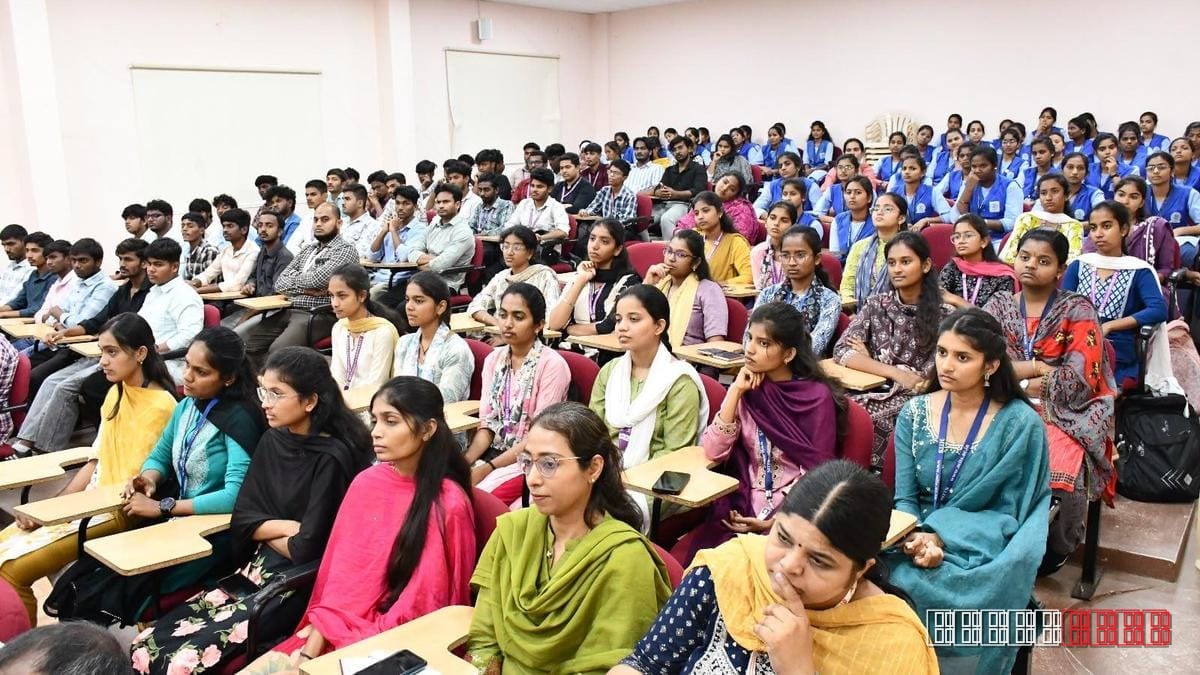
The Hindu reported that a panel of climatologists, data scientists and water‑resource engineers convened in Hyderabad to assess how artificial intelligence could sharpen flood prediction and streamline water management in Andhra Pradesh. Participants highlighted that machine‑learning algorithms, trained on decades of rainfall, river‑flow and satellite imagery, can detect patterns that traditional statistical models often miss. By delivering more precise forecasts, AI‑driven systems could give authorities additional hours to issue evacuation orders and to deploy relief assets.
Among the technologies discussed were deep‑learning models that ingest real‑time sensor data from river gauges and combine it with weather‑forecast outputs. Such integration, experts said, would enable dynamic updating of flood risk maps, allowing district officials to target vulnerable communities more accurately. The panel also examined AI‑based optimization tools for reservoir operation, which could balance flood mitigation with agricultural water needs during the monsoon season.
The Hindu noted that the state has recently endured a series of severe floods that displaced thousands and caused extensive crop loss. These events have underscored the limitations of existing early‑warning mechanisms, which often rely on manual data collection and coarse‑resolution forecasts. By contrast, AI platforms can process massive datasets within minutes, delivering localized predictions that reflect the complex topography of the Eastern Ghats and the Godavari basin.
Background: India experiences some of the world’s most intense monsoon rains, and climate‑change‑induced variability has amplified the frequency of extreme flood events. Historically, flood management in the country has depended on static hydraulic models and periodic field surveys, approaches that struggle to keep pace with rapid urbanisation and shifting river courses. Across the globe, nations such as the United States and the Netherlands have incorporated AI into their flood‑risk frameworks, reporting earlier alerts and reduced economic losses. Andhra Pradesh’s interest in AI reflects a broader national push to modernise disaster‑risk reduction through digital technologies, as outlined in the government’s “Digital India” and “Smart Cities” initiatives.
Stakeholders at the Hyderabad forum agreed that pilot projects should begin with a focus on data quality—ensuring that river‑level sensors, weather radars and satellite feeds are interoperable. They also called for capacity‑building programmes to train local engineers in AI model development and interpretation. If successfully scaled, these efforts could position Andhra Pradesh as a regional leader in tech‑enabled water governance, offering a template for other flood‑prone states.
The Hindu concluded that while AI is not a silver bullet, its ability to synthesize disparate data streams promises a more proactive stance against floods, potentially saving lives and preserving livelihoods in one of India’s most disaster‑vulnerable regions.
This report is based on original reporting by The Hindu. Read the original source →