Airlines Suspend Change Fees as Nor'easter Looms Over East Coast
Major carriers are dropping ticket‑change penalties ahead of a powerful storm expected to affect New York, Boston and surrounding areas.
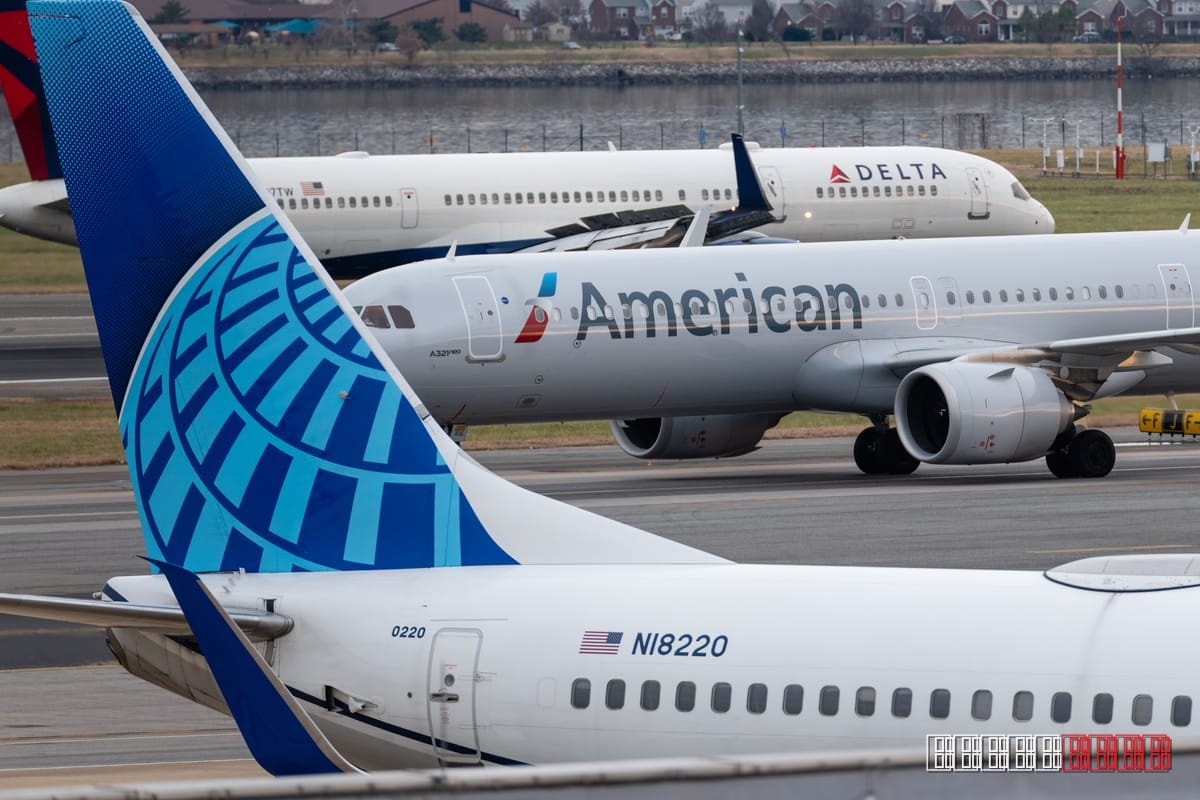
Several U.S. airlines announced they will temporarily waive change‑fee penalties for passengers traveling to airports in the projected path of a strong nor'easter, CNBC reported. The policy, effective through the weekend, allows ticket holders to modify or cancel flights without the usual surcharge, giving travelers flexibility as the storm approaches the densely populated Northeast corridor.
As of Friday morning, flight disruptions remained limited, with most airlines operating on schedule for Saturday. CNBC noted that the early data suggested only a handful of cancellations and delays, a relatively mild impact compared with past winter storms that have crippled the region’s air traffic.
Nor'easters are low‑pressure systems that draw moisture from the Atlantic and generate heavy snowfall, strong winds, and coastal flooding. Historically, they have forced airlines to cancel hundreds of flights, especially in New York and Boston, where airport capacity is already strained during peak travel periods. By removing change‑fee barriers, airlines aim to reduce passenger anxiety and avoid a surge of last‑minute rebooking fees that can compound the logistical challenges of storm‑related disruptions.
For travelers, the waiver means a ticket purchased at any fare class can be altered up to the scheduled departure without incurring the typical $200‑plus fee. Passengers are still advised to monitor airline communications and the Federal Aviation Administration’s (FAA) weather advisories, as severe conditions can still lead to runway closures or air‑traffic control restrictions that are beyond an airline’s control.
The move mirrors actions taken during previous severe weather events, such as the February 2021 nor'easter that prompted many carriers to offer flexible rebooking options. Analysts view the fee suspension as a proactive customer‑service measure that could also help airlines preserve revenue by keeping seats fillable rather than facing a wave of refunds.
While the storm’s exact track remains uncertain, the consensus among meteorologists is that the heaviest snowfall will fall between Thursday night and Saturday morning. Passengers planning travel to or from the affected airports should remain flexible, check flight status frequently, and consider alternative routes if possible.
This report is based on original reporting by CNBC. Read the original source →