Apple rolls out M5 Ultra and M6 silicon, powering new Mac Mini and Mac Studio
The tech giant unveiled its latest M5 Ultra and M6 processors, branding them as its most powerful chips to date, alongside refreshed desktop models.
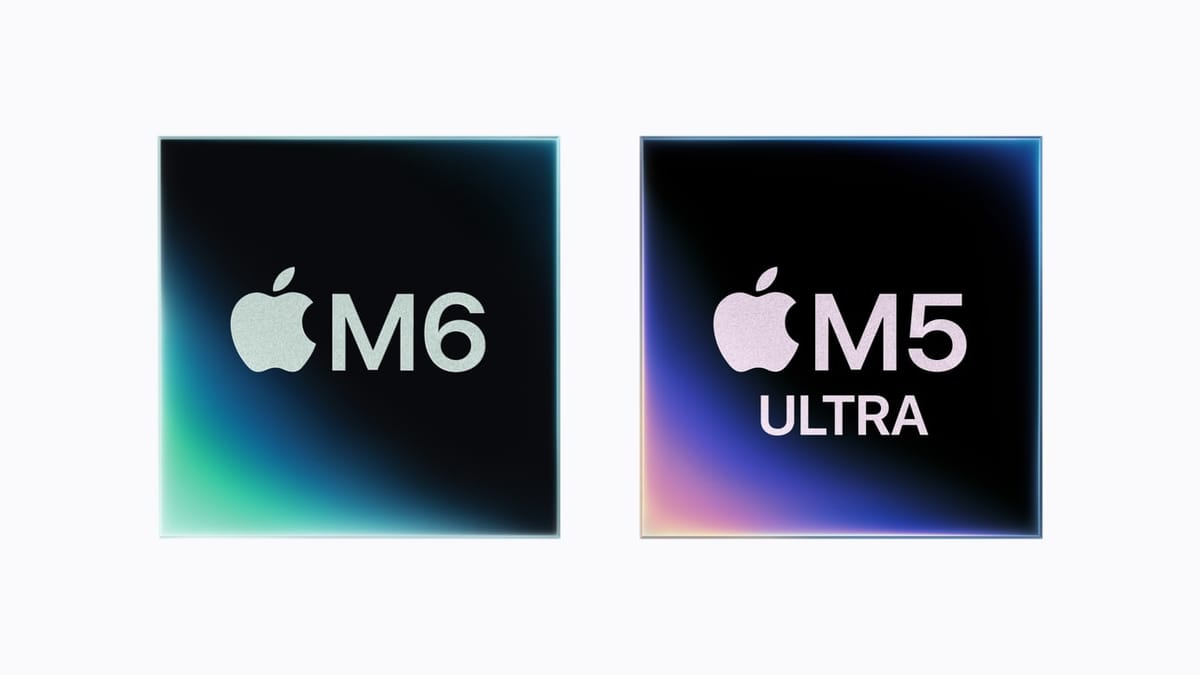
Apple announced a new generation of its in‑house silicon on Thursday, introducing the M5 Ultra and M6 processors. Both chips are positioned as the most powerful silicon the company has ever produced, extending Apple’s aggressive roadmap of custom‑designed CPUs for its Mac line.
The launch coincided with updates to two of Apple’s desktop offerings. The Mac Mini receives a refreshed chassis and is now equipped with the M5 Ultra, while the Mac Studio is refreshed with the M6. By pairing the new processors with the refreshed hardware, Apple aims to deliver higher performance thresholds for professional and consumer workloads alike.
Apple’s engineering team highlighted architectural refinements that improve efficiency and raw compute power, though specific benchmark figures were not disclosed. The M5 Ultra builds on the multi‑core design introduced in earlier models, while the M6 adds additional cores and a redesigned GPU block to boost graphics throughput. Both chips continue to rely on a unified memory architecture, allowing the CPU, GPU, and neural engine to share high‑speed memory without the latency of traditional system designs.
Industry analysts see the move as a continuation of Apple’s strategy to differentiate its Mac ecosystem from competitors that still depend on third‑party silicon. By controlling the entire hardware stack, Apple can tailor performance characteristics to its own software suite, from professional video editing tools to machine‑learning workloads.
The updated Mac Mini and Mac Studio are expected to ship later this quarter, with pricing that mirrors current configurations but promises a noticeable uplift in speed and efficiency. Apple’s announcement underscores its commitment to expanding the capabilities of its desktop lineup while keeping the entire product family on a unified silicon foundation.
Consumers and professionals alike will be watching how the M5 Ultra and M6 perform in real‑world scenarios, especially as software developers begin to optimize applications for the new architecture.