Archaeologists Unearth 600-Year-Old Chimu Royal Tomb in Northern Peru
A near‑intact funerary platform from the pre‑Incan Chimu kingdom has been discovered, shedding new light on ancient burial customs.
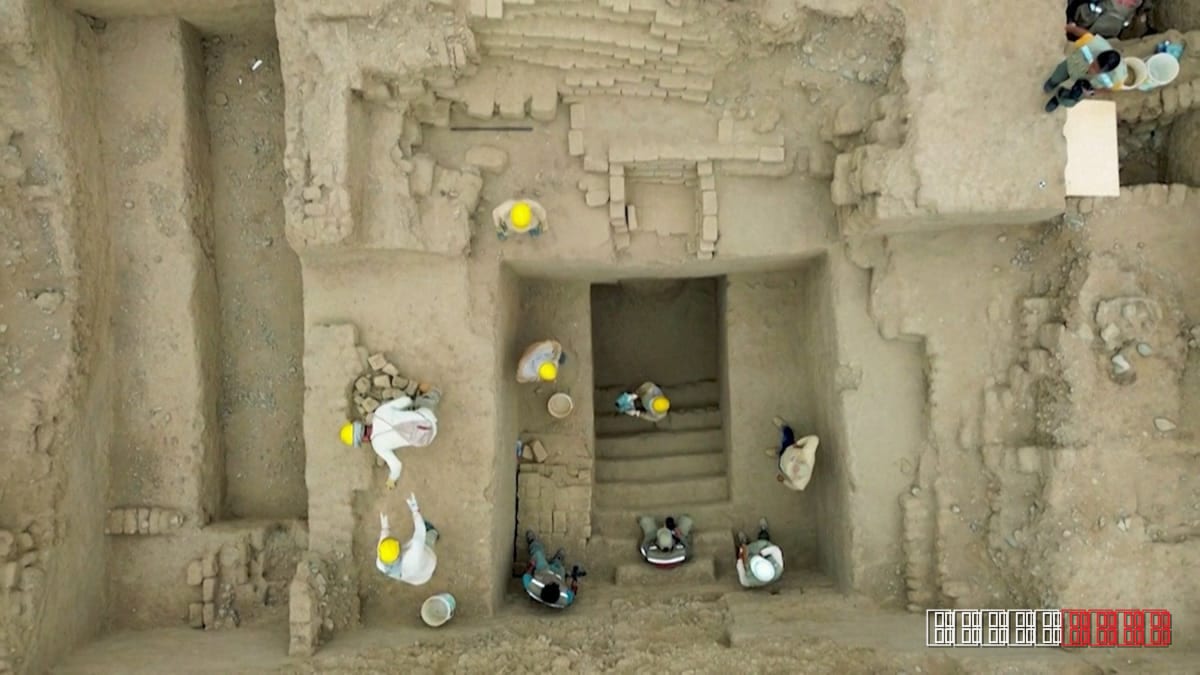
Archaeologists working in Peru’s coastal region have uncovered a remarkably well‑preserved funerary platform dating back roughly six centuries, a find that Al Jazeera says belongs to the pre‑Incan Chimu civilization. The structure, described as an almost intact tomb, was located near the historic city of Trujillo, close to the famed adobe capital of Chan Chan.
The burial platform measures about three meters in height and is constructed from layered adobe bricks, a hallmark of Chimu engineering. Inside, researchers reported a series of burial chambers that appear to have held elite individuals, as indicated by the presence of ornamental ceramics and metal ornaments. According to Al Jazeera, the tomb’s layout suggests it was designed for a person of high status, possibly a local ruler or priest, given the careful placement of grave goods and the platform’s elevated position.
The discovery comes after a multi‑year survey of the region, which has long been identified as a cultural heartland of the Chimu. The kingdom, flourishing between the 9th and 15th centuries, was renowned for its sophisticated urban planning, extensive irrigation systems, and monumental adobe architecture. It was eventually absorbed by the expanding Inca Empire in the late 1400s, a transition that erased many of its distinct cultural markers. Archaeologists have previously relied on the ruins of Chan Chan to piece together Chimu society, but intact burial sites are rare, making this find especially valuable.
Experts say the tomb offers a rare glimpse into the social hierarchy and funerary rites of a civilization that pre‑dated the Inca by several centuries. By analyzing the artifacts and construction techniques, scholars hope to refine timelines of Chimu political organization and understand how elite status was expressed in death. The find also underscores the importance of preserving Peru’s coastal archaeological sites, which face threats from urban expansion and climate‑induced erosion.
The research team plans to conduct a careful excavation of the chambers over the coming months, employing non‑invasive imaging to document the interior before any removal of material. Conservation specialists will work alongside archaeologists to stabilize the adobe bricks, ensuring the platform remains intact for future study and possible public display. If the tomb is fully opened, it could attract both scholarly attention and tourism, adding another layer to Peru’s rich heritage narrative.
This discovery adds to a growing list of significant pre‑Incan finds across South America, highlighting the depth and diversity of cultures that existed before the rise of the Inca. As more sites are uncovered, the picture of ancient Andean civilization continues to evolve, offering fresh perspectives on the peoples who shaped the continent’s early history.
This report is based on original reporting by Al Jazeera. Read the original source →