Austrian government blocks Iranian delegate’s entry after UN decision
Vienna refused a senior Iranian official permission to enter the country, citing a recent United Nations ruling that challenges the delegation’s planned IAEA visit.
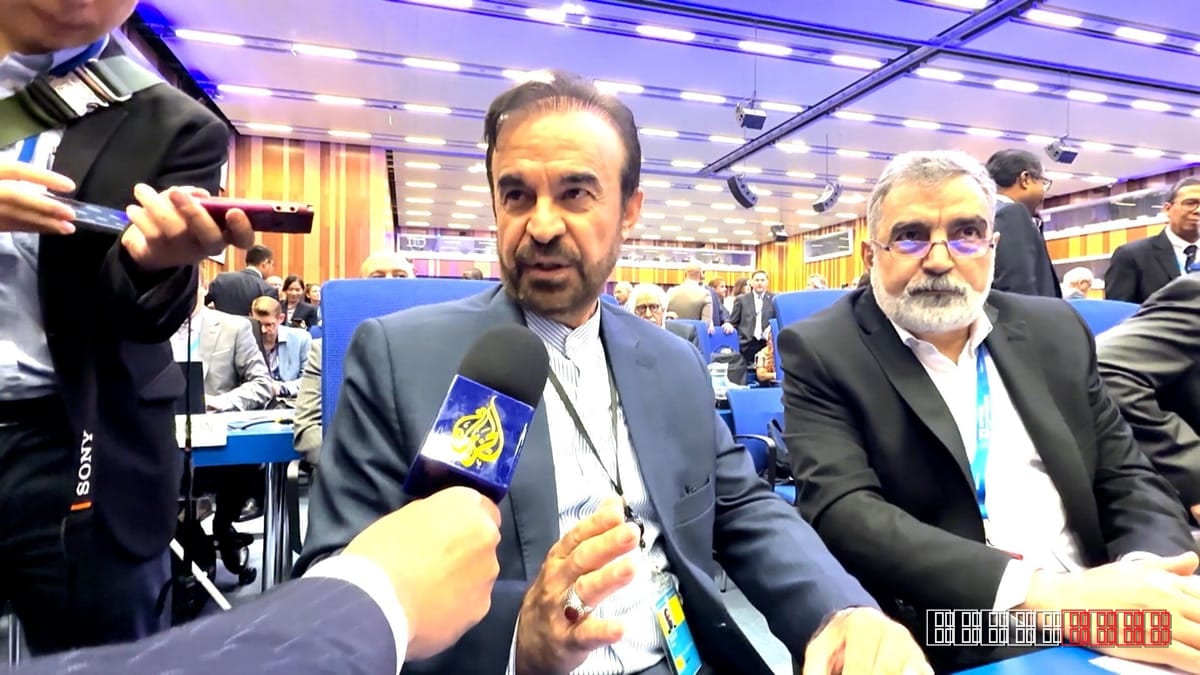
Austria announced it would not grant a visa to a senior Iranian official slated to attend a meeting of the International Atomic Energy Agency (IAEA), saying the decision aligns with a recent United Nations ruling. Al Jazeera reported that Tehran accused Vienna of succumbing to external pressure and reversing an earlier approval for the delegation’s travel.
The Austrian foreign ministry said the move was taken after the UN Security Council adopted a resolution calling for stricter scrutiny of Iranian nuclear personnel traveling abroad. The resolution, passed in early September, urges member states to ensure that individuals linked to Iran’s nuclear programme are not granted unrestricted access to international forums without thorough vetting.
Iran’s foreign ministry responded by accusing Austria of “politically motivated” interference, claiming the decision undermines diplomatic engagement on nuclear safety. The Iranian side had previously secured a provisional green light for the delegation, which includes senior scientists and officials who were to discuss compliance with the Joint Comprehensive Plan of Action (JCPOA).
The episode highlights a growing tension between European states that host IAEA meetings and Iran’s attempts to re‑engage with the agency after the 2025 renewal of the nuclear deal. Historically, Austria has served as a neutral venue for sensitive diplomatic talks, but recent geopolitical pressures have forced it to balance its traditional role with obligations stemming from UN resolutions.
Experts note that the UN ruling reflects broader concerns about the transparency of Iran’s nuclear activities, especially after the country announced the construction of new enrichment facilities in 2024. While the IAEA continues to seek cooperation from Tehran, member states are increasingly wary of allowing high‑level Iranian officials unrestricted entry, fearing it could be used to shield illicit programs.
The denial may delay the scheduled IAEA session, prompting the agency to consider alternative venues or virtual participation. Observers suggest that Austria’s stance could set a precedent for other host nations, potentially reshaping how future nuclear diplomacy is conducted in Europe.
For now, the Iranian delegation is expected to seek alternative routes to the IAEA meeting, while Austria maintains that its decision complies with international law and the latest UN directives.
This report is based on original reporting by Al Jazeera. Read the original source →