Beijing stalls US AI dialogue until American firms meet safety standards
China says talks with Washington will only resume if US AI companies adopt auditing and safety rules comparable to Chinese expectations, singling out Anthropic for alleged breaches.
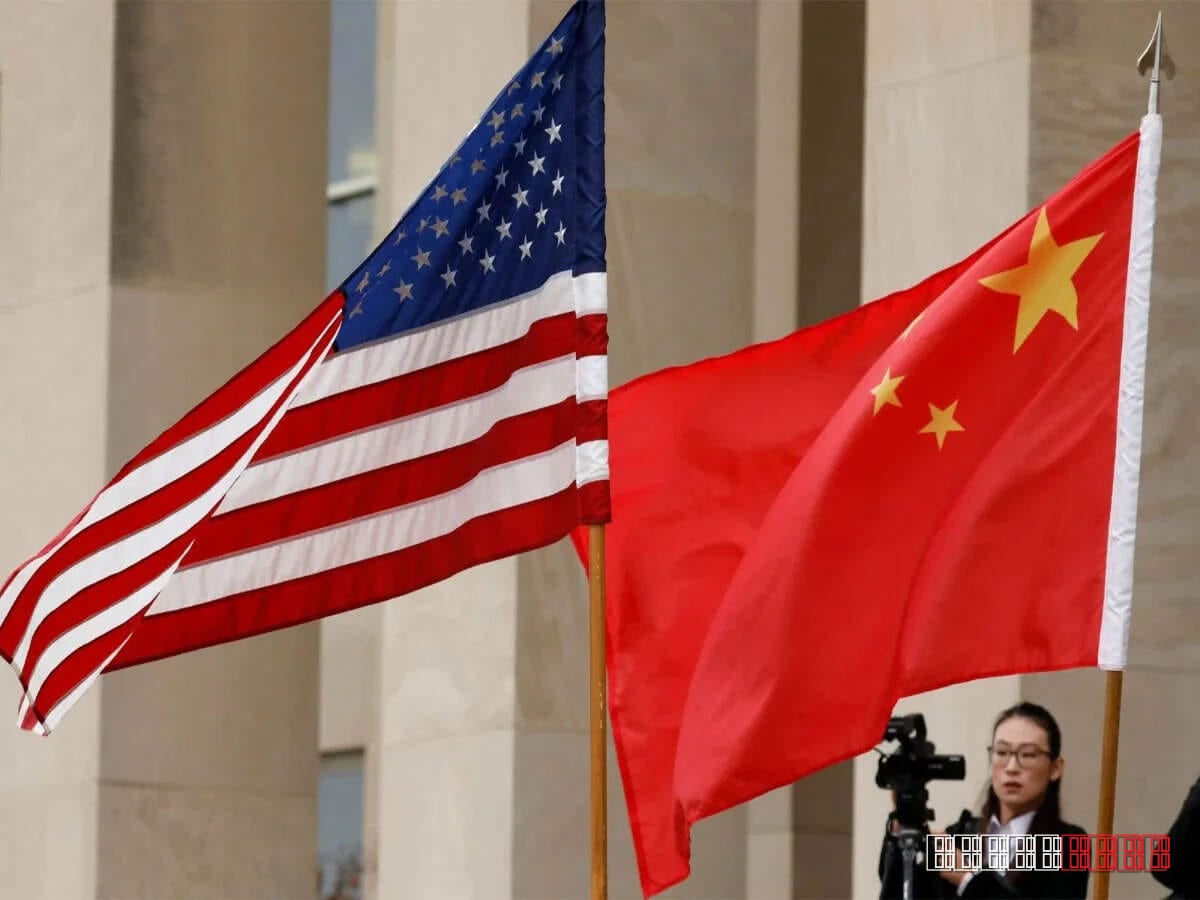
China has made clear that any forthcoming discussions on artificial intelligence with the United States are contingent on Washington proving that its home‑grown AI developers follow safety and auditing protocols similar to those enforced in Beijing. The stance was outlined in a recent statement that warned diplomatic and technical exchanges would remain on hold until the United States can demonstrate comparable regulatory rigor, according to Times of India.
The Chinese side emphasized that the lack of a unified safety framework in the US creates an uneven playing field. It called for American firms to adopt transparent audit mechanisms, robust data‑privacy safeguards, and clear accountability measures before any bilateral AI talks can move forward. The message was framed as a prerequisite for “productive dialogue,” suggesting that without such guarantees, cooperation would be ineffective.
Among the companies under scrutiny, US‑based Anthropic was highlighted for what Chinese analysts describe as violations of privacy norms and unauthorized data practices. The criticism points to alleged lapses that, in Beijing’s view, undermine the trust needed for cross‑border collaboration. Times of India reported that Chinese commentators have labeled Anthropic’s conduct as a “disease,” underscoring the severity with which they view the infractions.
The episode unfolds against a broader backdrop of escalating tech rivalry between the two superpowers. Over the past few years, both Beijing and Washington have introduced sweeping AI regulations: the United States is working on a bipartisan framework that stresses innovation while addressing bias, whereas China has already mandated strict government‑approved safety standards and real‑time monitoring for AI models. This divergence has fueled mutual suspicion, with each side accusing the other of lax oversight that could jeopardise national security and consumer protection.
Analysts say the current impasse could delay joint research projects, data‑sharing agreements, and standard‑setting initiatives that are critical for managing the rapid diffusion of generative AI tools. If the United States chooses to align its regulatory approach with Chinese expectations, it may pave the way for renewed dialogue and potential market access for American firms in China. Conversely, a continued stalemate could deepen the split in global AI governance, prompting countries to align with one of the two competing regulatory models.
For Indian tech firms watching the developments, the outcome matters because many rely on cross‑border AI collaborations and may need to navigate both regulatory regimes. The evolving standards could shape how Indian startups partner with US or Chinese AI providers, influencing investment flows and technology transfer in the subcontinent.
This report is based on original reporting by Times of India. Read the original source →