BJP chief warns drug misuse endangers Punjab’s cultural fabric
State president Nabin Kapur calls drug abuse a grave threat to Punjab’s identity and urges swift action.
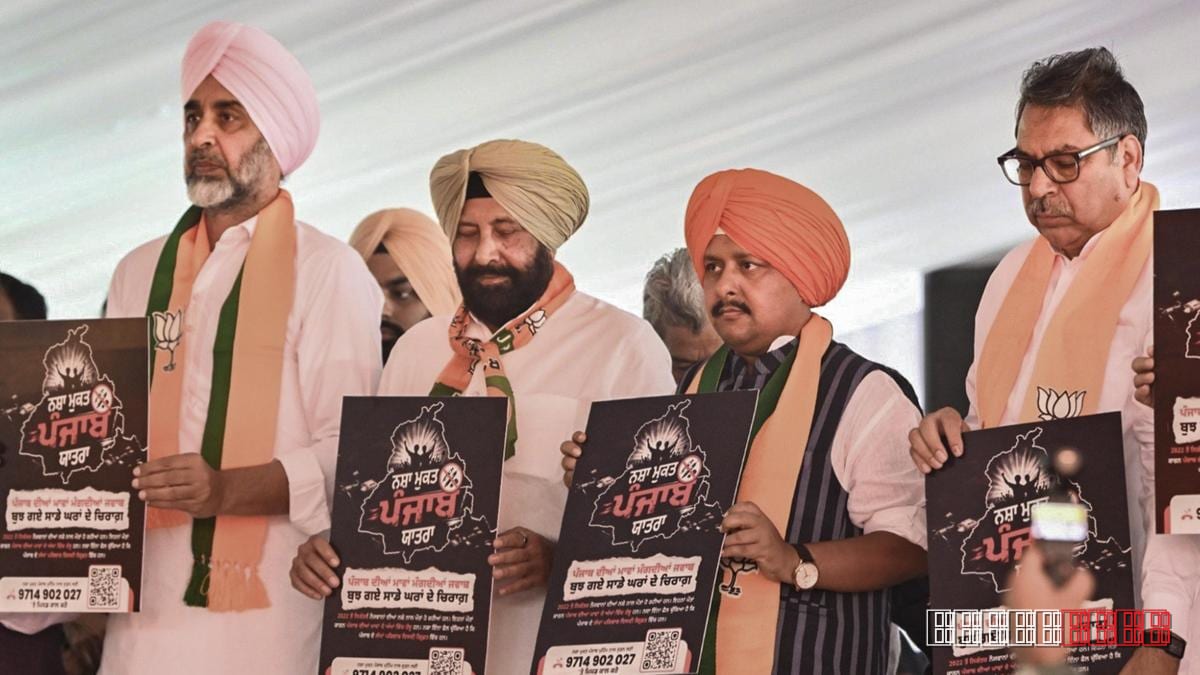
Punjab’s ruling Bharatiya Janata Party (BJP) president, Nabin Kapur, warned that the spread of narcotics is eroding the state’s cultural identity. Referring to the popular film Udta Punjab, he said the people want a "rising Punjab, not an Udta Punjab" and that the moment has arrived for a "decisive fight" against the scourge (The Hindu). Kapur’s remarks come amid rising public concern over the prevalence of heroin, crystal meth and prescription drug misuse among the state’s youth.
The BJP leader urged the state administration to intensify enforcement, expand rehabilitation facilities, and launch awareness campaigns in schools and villages. He also called for stricter monitoring of border points and transport routes that are suspected of funneling drugs into the region. While he did not disclose specific policy measures, Kapur stressed that coordinated action between law‑enforcement agencies and community groups is essential.
Punjab has long grappled with a drug crisis that intensified after the 2010s, when the state became a transit hub for narcotics moving from the Golden Crescent into northern India. According to multiple government reports, thousands of young people have been diagnosed with substance‑use disorders, leading to spikes in crime, school drop‑outs and health complications. Successive state governments have launched anti‑drug operations, but critics argue that limited funding for treatment and social stigma have hampered long‑term recovery.
The BJP’s focus on drug control aligns with its broader electoral strategy in Punjab, where the party seeks to regain ground after setbacks in recent state elections. By framing drug abuse as an existential threat to the region’s heritage, the party hopes to resonate with families affected by addiction and position itself as a decisive alternative to incumbent leaders.
Experts caution that while law‑enforcement crackdowns are necessary, sustainable solutions require a blend of prevention, rehabilitation, and livelihood programs. The National Institute of Mental Health and Neurosciences (NIMHANS) has repeatedly emphasized that community‑based interventions and vocational training can reduce relapse rates. As the debate intensifies, Punjab’s next steps will likely shape both public health outcomes and the political landscape.
Kapur’s call for a "decisive fight" underscores the urgency felt by many in the state, but the effectiveness of forthcoming measures will depend on how quickly resources are mobilised and whether they address the root causes of addiction.
This report is based on original reporting by The Hindu. Read the original source →