Houthi missile and drone barrage sparks chaos at Riyadh airport
Saudi air defenses intercepted a ballistic missile as explosions rattled the capital after a large‑scale Houthi strike.
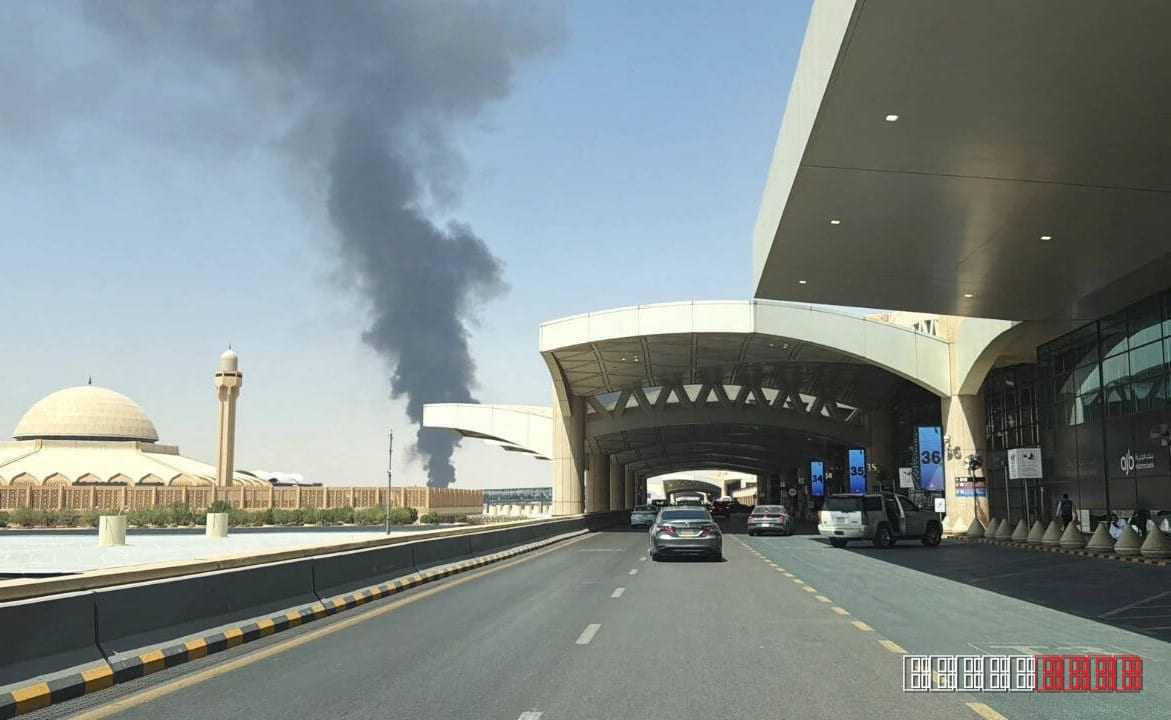
On Saturday, Yemen’s Houthi rebels launched a coordinated missile‑drone assault on Saudi Arabia, targeting the capital Riyadh and its main airport. According to the Times of India, Saudi air‑defence systems shot down a ballistic missile that was heading toward the city, while explosions were heard across the urban area. The attack forced the closure of several runways at King Khalid International Airport, delaying dozens of commercial flights and prompting emergency protocols for passengers and crew.
The Houthis claimed responsibility for hitting a strategic Saudi Aramco facility in addition to the missile strike, saying the operation marked a “major escalation” in their campaign against the kingdom. Video footage circulating online showed thick smoke rising from the airport perimeter, and residents reported hearing multiple detonations that rattled nearby buildings.
Background: The Houthi movement, based in northern Yemen, has been engaged in a proxy war with Saudi Arabia since 2015, when a coalition led by Riyadh intervened in Yemen’s civil conflict. Over the past year, the group has increasingly turned to long‑range ballistic missiles and unmanned aerial vehicles to strike deep inside Saudi territory, aiming to pressure the kingdom over its military involvement in Yemen and to disrupt global oil supplies. Such attacks often trigger temporary spikes in oil prices and raise concerns about the security of the Red Sea shipping lanes, which carry a significant share of the world’s petroleum trade.
While Saudi officials confirmed the successful interception of the missile, they did not disclose casualty figures. The temporary suspension of airport operations underscores the vulnerability of critical infrastructure in the region, especially as the Houthis claim to have expanded their strike capabilities with newer, more accurate weapons. Analysts note that each successful raid forces Saudi Arabia to allocate additional resources to air‑defence and may influence the pace of ongoing diplomatic talks aimed at ending the Yemen war.
The incident arrives at a time when international observers are urging both sides to de‑escalate. The United Nations has repeatedly warned that civilian infrastructure, including airports, should be protected under international humanitarian law. As the conflict drags on, the risk of further disruptions to global energy markets and travel networks remains high.
This report is based on original reporting by Times of India. Read the original source →