BSNL executive urges engineering undergrads to adopt AI, robotics and quantum studies
BSNL’s deputy general manager advises students across all engineering disciplines to start certificate programs in emerging tech from their first year.
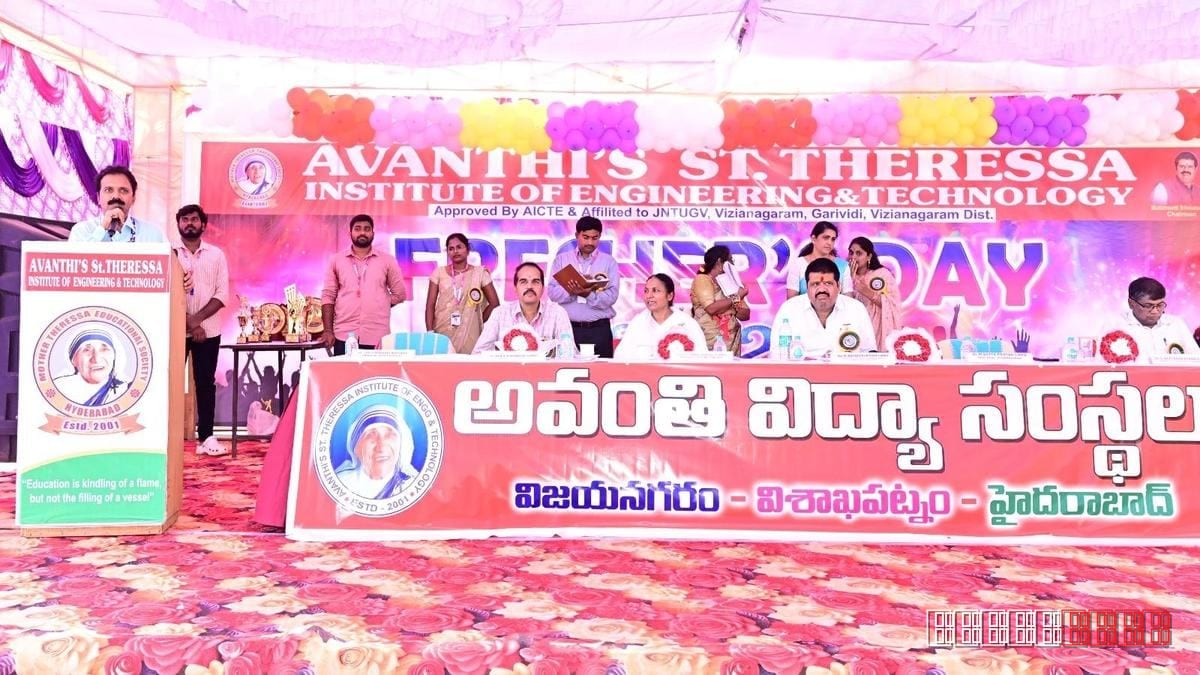
New Delhi, India – In a recent address to engineering students, BSNL’s deputy general manager M. Satya Prasad highlighted the urgency for graduates to build expertise in artificial intelligence, robotics and quantum technology. According to The Hindu, Prasad said that learners from any engineering branch should consider enrolling in certificate courses on these subjects as early as their first year of college.
He pointed out that the rapid commercialization of AI‑driven solutions and the growing demand for robotics in manufacturing and services make early exposure critical. “The ecosystem is evolving fast; students who acquire these skills now will be better positioned for the jobs of tomorrow,” he told the audience.
India’s government has earmarked billions of rupees for AI, robotics and quantum research under its National Mission on Interdisciplinary Cyber‑Physical Systems and the Quantum‑Enabled Science and Technology (QuEST) programme. The push aims to close a widening talent gap that has been cited by industry bodies as a barrier to scaling homegrown tech solutions. By encouraging certificate courses, Prasad’s message dovetails with a broader national strategy to nurture a digitally skilled workforce.
BSNL, the state‑run telecom operator, is itself undergoing a digital transformation, rolling out 5G trials and modernizing its network infrastructure. The company’s leadership sees a direct link between the availability of skilled engineers and its ability to deliver next‑generation services. “Our own modernization efforts depend on fresh talent that can handle AI‑based network optimization, robotic process automation and quantum‑secure communications,” Prasad added.
For students, the advice translates into actionable steps: seek out short‑term certifications offered by universities, online platforms and industry partners; integrate project work that leverages AI models or robotic kits; and stay informed about emerging quantum curricula. Career counselors predict that graduates with such credentials will enjoy higher placement rates, especially in sectors like fintech, health tech and autonomous systems where the demand for interdisciplinary engineers is surging.
Prasad’s appeal underscores a shifting educational paradigm in India, where traditional engineering curricula are being supplemented with interdisciplinary, technology‑focused modules to meet the needs of a rapidly digitizing economy.
This report is based on original reporting by The Hindu. Read the original source →