Brazilian Supreme Court Halts Sessions Amid Justice Scandal
The high court suspended its work after a judge faced allegations of involvement in a banking controversy, sparking political turmoil, Al Jazeera reports.
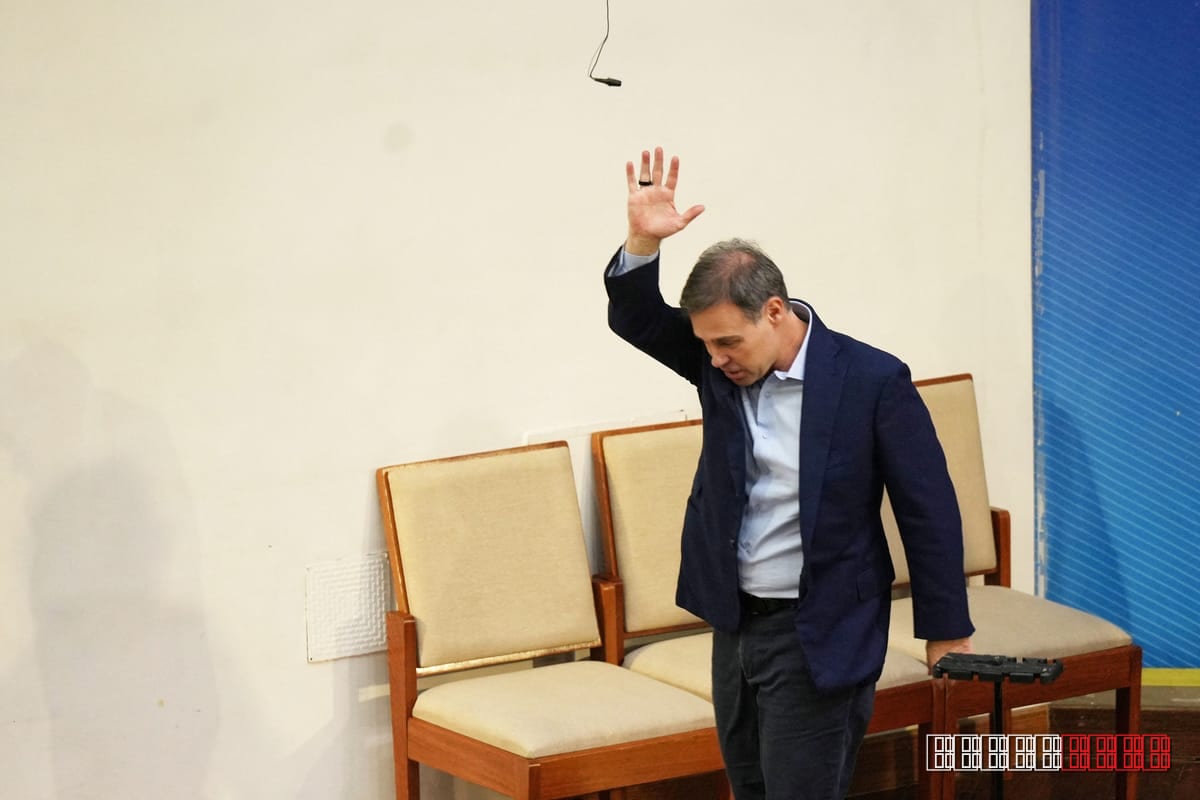
Brazil’s top constitutional court abruptly stopped its proceedings on Monday, a move officials say reflects the growing political instability in the country. According to Al Jazeera, the decision came after a sitting justice was publicly linked to a bank scandal, prompting heated exchanges among the remaining judges.
The accused magistrate, whose name was not disclosed in the brief report, is alleged to have participated in irregular financial transactions tied to a major Brazilian bank. Fellow justices demanded clarification, and the internal friction quickly escalated into a broader crisis of confidence within the judiciary.
Brazil’s Supreme Federal Court (STF) has long been a pivotal arena for high‑profile corruption investigations, most notably the “Operation Car Wash” probe that toppled numerous politicians and business leaders over the past decade. Its members are appointed by the president and confirmed by the Senate, a process that has sometimes blurred the line between judicial independence and political influence. In recent years, the court has faced criticism for perceived partisanship, especially as it adjudicated cases involving former President Jair Bolsonaro and current President Luiz Inácio Lula da Silva.
The current shutdown is unprecedented in modern Brazilian history. While temporary recesses are routine for holidays or administrative reasons, an early closure driven by internal accusations signals a deeper erosion of institutional trust. Legal scholars warn that prolonged inactivity could delay pending constitutional rulings, including matters related to electoral reforms and the enforcement of anti‑corruption statutes.
Observers note that the scandal emerges at a time when Brazil is grappling with economic uncertainty and social unrest. The banking sector, already under scrutiny after a series of high‑profile defaults, is sensitive to any hint of judicial impropriety. If the allegations are substantiated, they could trigger a wider investigation into the court’s oversight mechanisms and potentially lead to calls for reforms aimed at safeguarding judicial integrity.
For now, the STF has announced a brief pause while it conducts an internal review. The court’s leadership has pledged transparency, but the episode underscores the fragile balance between Brazil’s political actors and its legal institutions, a dynamic that will likely shape the nation’s governance in the months ahead.
This report is based on original reporting by Al Jazeera. Read the original source →