Brent crude climbs over 2% as U.S.-Iran clashes stir market nerves
The benchmark oil price jumped more than two percent on Wednesday after the United States launched strikes on Iran and Tehran responded against American partners.
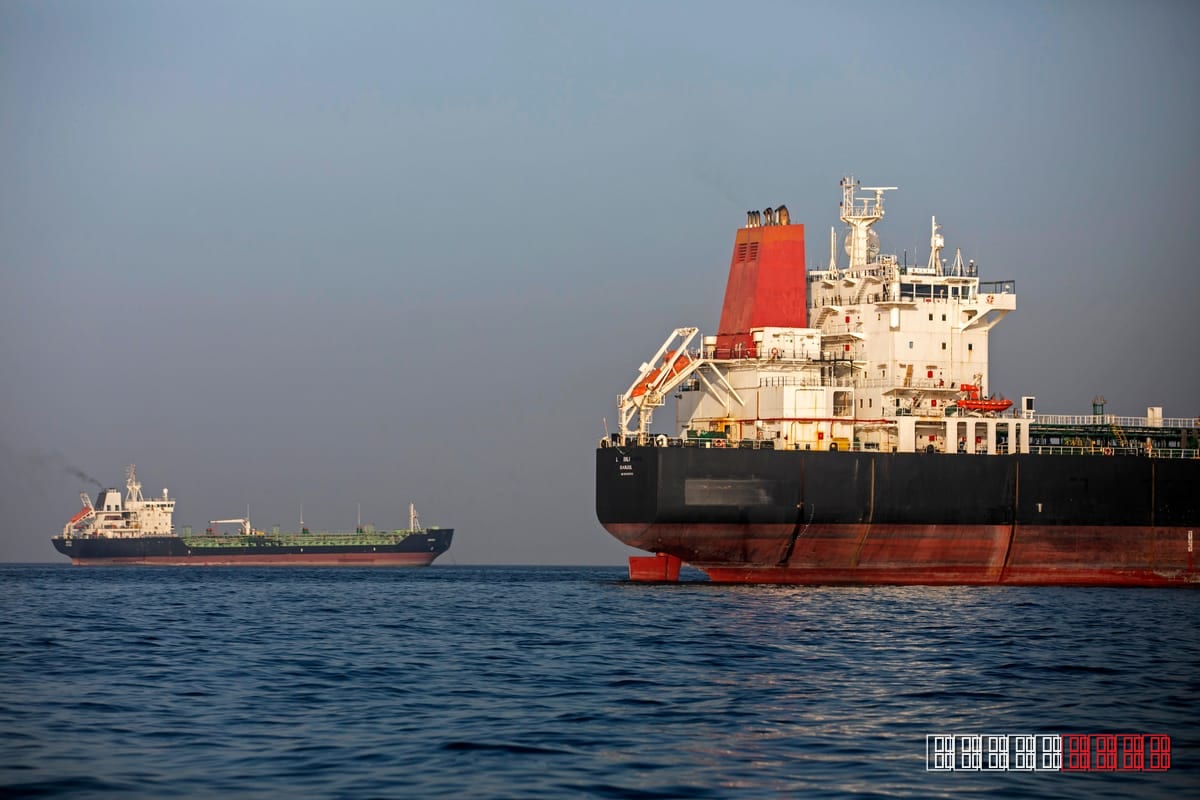
Brent crude surged more than 2% on Wednesday, reflecting heightened uncertainty after the United States carried out air strikes against Iranian targets and Tehran allegedly hit back at U.S. allies, CNBC reported. The rapid price movement underscores how quickly geopolitical flashpoints can ripple through global energy markets.
At 0800 GMT, the front‑month Brent contract was trading around $92 per barrel, up roughly $1.80 from the previous close. The gain marked the steepest one‑day rise since the early summer surge that followed the Red Sea attacks on commercial shipping. Analysts noted that the price jump was driven primarily by fears of a broader disruption to oil flow through the Strait of Hormuz, a chokepoint that handles about a fifth of the world’s petroleum trade.
The broader market echoed Brent’s rally. West Texas Intermediate (WTI) futures in New York climbed about 1.8%, while Asian spot prices for Dubai crude also posted gains. Traders on the ICE and CME platforms cited the “tit‑for‑tat” strikes as a catalyst for short‑term volatility, prompting some hedge funds to increase exposure to oil‑related derivatives.
Oil markets have long been sensitive to Middle‑East tensions. Historical episodes—such as the 1990‑91 Gulf War and the 2019 drone attacks on Saudi facilities—show that even limited confrontations can lift benchmark prices by several dollars. In the current environment, OPEC+ has kept output relatively steady, but the organization warned that any sustained disruption of Persian Gulf shipments could force a reassessment of production quotas. This backdrop makes the recent price spike a reminder that geopolitical risk remains a key driver of oil price dynamics, alongside supply‑demand fundamentals.
Higher crude prices are likely to filter through to gasoline and diesel costs for U.S. consumers, adding pressure to inflation figures that have already been sticky. Policymakers and business leaders will be watching how quickly diplomatic channels can de‑escalate the situation, as prolonged conflict could compel refiners to tap strategic reserves or shift sourcing strategies, further influencing global price trends.
This report is based on original reporting by CNBC. Read the original source →