New Weather Hubs Launched to Aid Nilgiris Small‑Scale Tea Farmers
Five meteorological stations were commissioned in the Nilgiris hills, aiming to give tea growers better climate data for crop management, The Hindu reports.
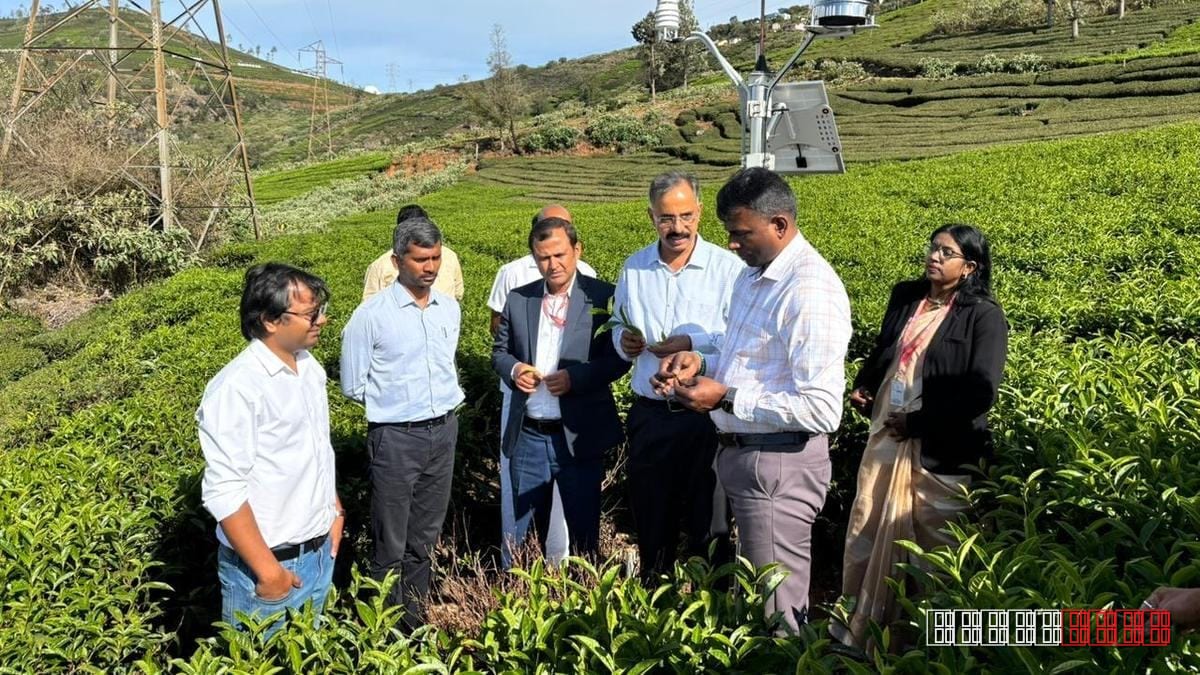
The Hindu reported that five new weather monitoring stations have been officially opened across the Nilgiris district, a move intended to support the region’s small tea growers with timely and localized climate information.
The installations, placed in key tea‑cultivation zones, will record temperature, rainfall, humidity and wind patterns. Data collected will be transmitted to a central hub accessible to farmers through mobile apps and local extension offices, allowing growers to adjust planting schedules, irrigation and pest‑control measures more precisely.
State officials, including the district agriculture officer, attended the inauguration ceremony and highlighted that the initiative is part of a broader effort to modernise agricultural practices in the Western Ghats. They noted that the stations are equipped with solar‑powered sensors, ensuring continuous operation even in remote areas.
Why the new stations matter Tea cultivation in the Nilgiris, a UNESCO‑designated biosphere reserve, depends heavily on micro‑climatic conditions. Smallholders, who often lack access to sophisticated forecasting tools, have historically relied on anecdotal weather knowledge, making them vulnerable to unexpected frosts, unseasonal rains or prolonged dry spells. Accurate, site‑specific data can improve yield quality, reduce crop loss and help farmers meet the stringent standards required for premium tea markets.
The rollout follows a series of pilot projects launched by the state’s horticulture department in 2022, which demonstrated that real‑time weather alerts could cut pesticide use by up to 15 % in trial farms. Building on those results, the current network expands coverage to over 200 villages, aiming to reach roughly 12,000 tea growers in the next two years.
Local growers expressed optimism, saying the stations could bridge the information gap that has long hampered their ability to compete with larger estates. Training sessions are scheduled for the coming months to ensure that farmers can interpret the data and integrate it into their daily decision‑making processes.
The initiative aligns with national goals to enhance climate‑smart agriculture and supports India’s ambition to increase tea export volumes while preserving the ecological balance of the Nilgiris highlands.
This report is based on original reporting by The Hindu. Read the original source →