Odisha chief minister asks BJP lawmakers to overturn mining law change
Naveen Patnaik wrote to BJP MPs urging them to push for a reversal of the recent amendment that shifted control of mineral resources away from states.
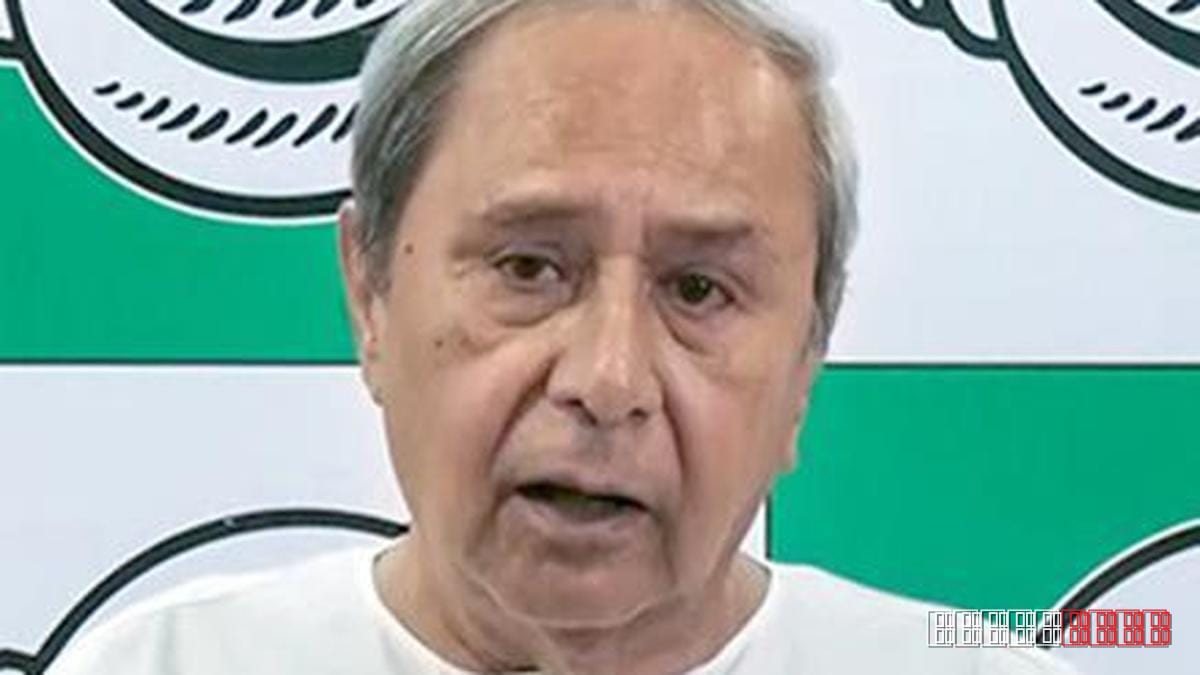
Naveen Patnaik, the chief minister of Odisha, has sent a letter to members of the ruling Bharatiya Janata Party in the Lok Sabha, asking them to press for a rollback of a recent amendment to the Mines and Minerals (Development and Regulation) Act. In the correspondence, Patnaik warned that a single legislative move had stripped the state of authority over its own mineral wealth and the lands that contain them, a concern he said could affect the region’s economy and environment.
The amendment, passed by Parliament earlier this year, altered the MMDR Act to give the central government greater say in the allocation of mining leases, effectively reducing the role of state governments in granting and overseeing mining operations. According to The Hindu, the change was promoted as a way to streamline approvals and attract private investment, but critics argue it could diminish state revenues and weaken local environmental safeguards.
Odisha, one of India’s most mineral‑rich states, produces large quantities of iron ore, bauxite, coal and other ores that fuel both domestic industry and export markets. State authorities traditionally managed mining leases and collected royalties that fund infrastructure and social programmes. The shift in control has raised alarms among regional leaders who fear a loss of fiscal autonomy and reduced capacity to enforce environmental standards.
Patnaik’s appeal to BJP MPs reflects a broader tension between the central government’s push for uniform mining reforms and the interests of resource‑dependent states. Similar concerns have been voiced in other mineral‑rich regions such as Jharkhand and Chhattisgarh, where state officials argue that the amendment could set a precedent for further centralisation of natural‑resource governance.
If successful, a reversal of the amendment would restore the pre‑2023 framework, allowing state governments to retain primary decision‑making power over mining leases and related royalties. The outcome could influence future debates on the balance of power between Delhi and the states, especially in sectors where local expertise and oversight are deemed critical.
The letter underscores the political dimension of resource policy in India, where state leaders often leverage parliamentary channels to protect regional interests. As the BJP prepares for upcoming legislative sessions, Patnaik’s request adds another layer to the ongoing discourse on how India’s mineral wealth should be managed and who ultimately benefits from it.
This report is based on original reporting by The Hindu. Read the original source →