Brent crude climbs toward $100 as Saudi sites are hit amid fresh Middle East clashes
Tuesday’s oil rally reflects heightened geopolitical risk after U.S. and Iran exchanged strikes over the weekend.
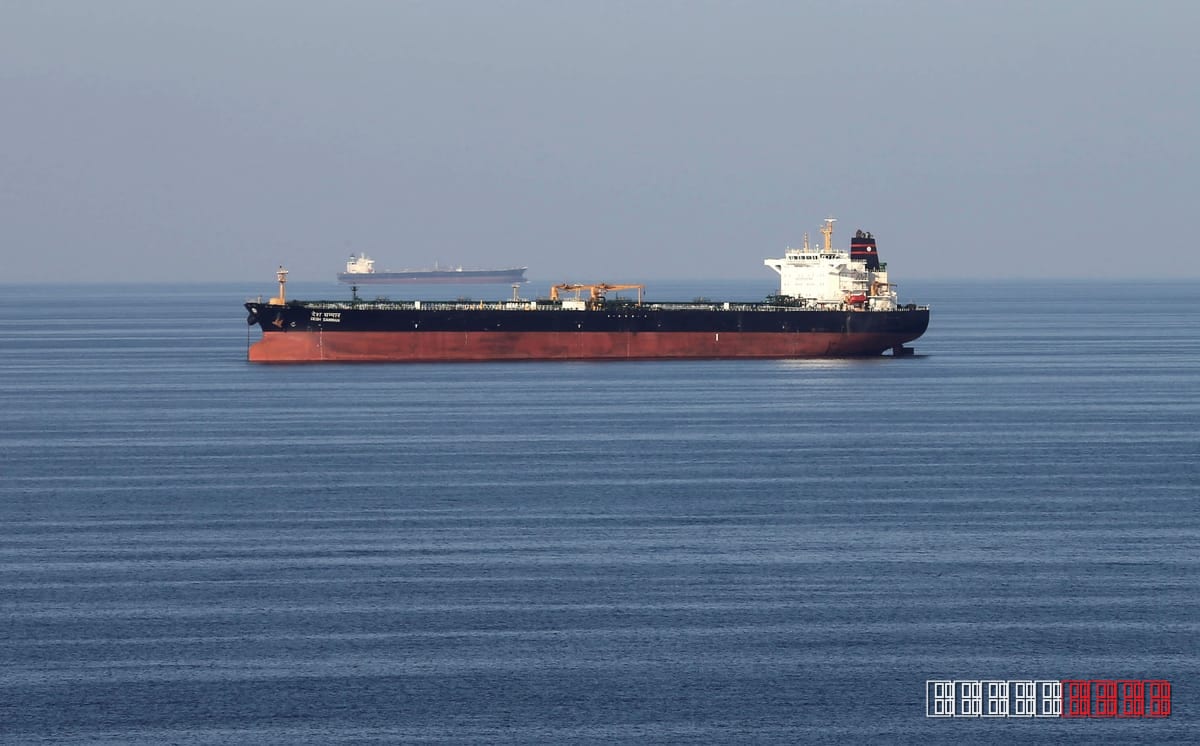
Oil markets nudged higher on Tuesday, with Brent crude edging close to the $100‑a‑barrel mark as investors reacted to renewed hostilities in the Middle East. CNBC reported that the price surge followed a series of retaliatory strikes between the United States and Iran over the weekend, which also targeted Saudi energy infrastructure.
The benchmark’s advance was mirrored in U.S. crude, with West Texas Intermediate (WTI) trading up alongside Brent. Analysts noted that the disruption of Saudi facilities, a key exporter, tightened global supply expectations, while the threat to shipping lanes in the Strait of Hormuz – a chokepoint through which roughly a fifth of the world’s oil passes – added another layer of uncertainty.
In the broader context, Brent’s approach to $100 is significant because it marks the highest price level seen since early 2024, a period when OPEC+ production cuts and robust demand from China and Europe lifted market sentiment. The current rally is the latest episode in a volatile year for oil, where geopolitical flashpoints have repeatedly overridden fundamentals such as inventory builds or modest demand growth. Historically, similar spikes have prompted refiners to raise gasoline prices and have pressured airlines and logistics firms that rely on stable fuel costs.
For U.S. consumers, the uptick in Brent often translates into higher pump prices, especially in regions where the Gulf Coast refineries source a large share of their crude. While the Federal Reserve’s monetary policy remains focused on inflation, higher energy costs can feed back into broader price pressures, complicating the central bank’s balancing act.
Market participants will be watching diplomatic channels closely. If diplomatic efforts de‑escalate the conflict, the price rally could stall or reverse. Conversely, any further escalation – particularly threats to the Hormuz corridor – could push Brent well above the $100 threshold, reinforcing the link between geopolitical risk and energy pricing.
This report is based on original reporting by CNBC. Read the original source →