Canadian shoppers brace for higher prices as US tariffs loom
New US duties on Canadian imports threaten the momentum of Canada’s buy‑local push.
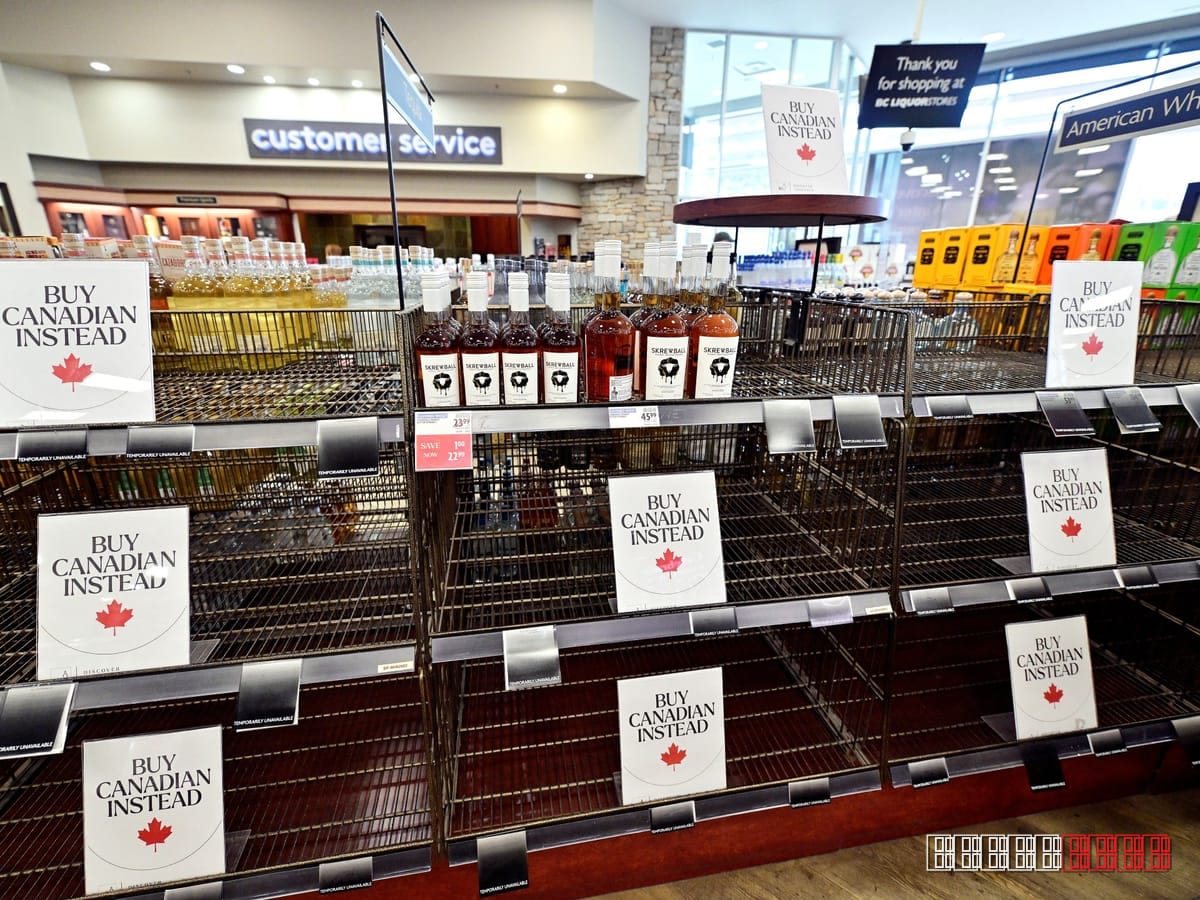
The United States is set to impose a series of additional tariffs on a range of Canadian products, a move that could raise costs for Canadian consumers and test the resilience of the country’s home‑grown buying campaign. Al Jazeera reported that the proposed duties target sectors such as dairy, lumber and certain manufactured goods, all of which have previously benefited from preferential treatment under the North American trade framework.
Retail analysts say the extra levies could add anywhere from a few cents to several dollars to everyday items, depending on the product category. Small‑business owners, who have leaned on the “buy‑local” narrative to differentiate themselves from multinational chains, now face the prospect of passing higher wholesale costs onto shoppers. “We’ve seen a surge in Canadians choosing domestic brands over imports,” one market researcher told Al Jazeera, “but sustained price pressure could erode that goodwill.”
The backlash is not limited to consumers. Canadian exporters fear that the tariffs will shrink demand from the United States, their largest trading partner, and could trigger retaliatory measures. The Canadian government has signaled its intent to consult with industry groups and explore legal avenues through the World Trade Organization, while also urging the Biden administration to seek a diplomatic solution.
Background context Canada and the United States have shared one of the world’s most integrated economies for decades, anchored by the 1994 North American Free Trade Agreement (NAFTA) and its successor, the United States‑Mexico‑Canada Agreement (USMCA). The Trump administration, however, pursued a broader “America First” trade agenda, imposing tariffs on steel, aluminum and other goods to pressure allies into renegotiating terms. While many of those duties were later rolled back, the current threat revives concerns that unilateral tariff hikes can disrupt supply chains, raise inflation, and strain political ties. Historically, such measures have prompted Canadian firms to diversify markets, but the short‑term shock often lands on consumers.
Consumer advocacy groups are urging Canadians to weigh the cost of patriotism against their wallets. Some suggest that the buy‑local movement could evolve into a more nuanced strategy, emphasizing sustainable sourcing and competitive pricing rather than purely nationalistic purchasing. As the tariff timeline tightens, retailers are likely to adjust inventory strategies, and shoppers may see a shift in promotional offers aimed at cushioning the impact.
The situation remains fluid, with the final tariff schedule expected to be announced in the coming weeks. In the meantime, Canadians are watching both the political discourse in Washington and the price tags at their local supermarkets, gauging how much higher they are willing to pay to keep money within the country.
This report is based on original reporting by Al Jazeera. Read the original source →